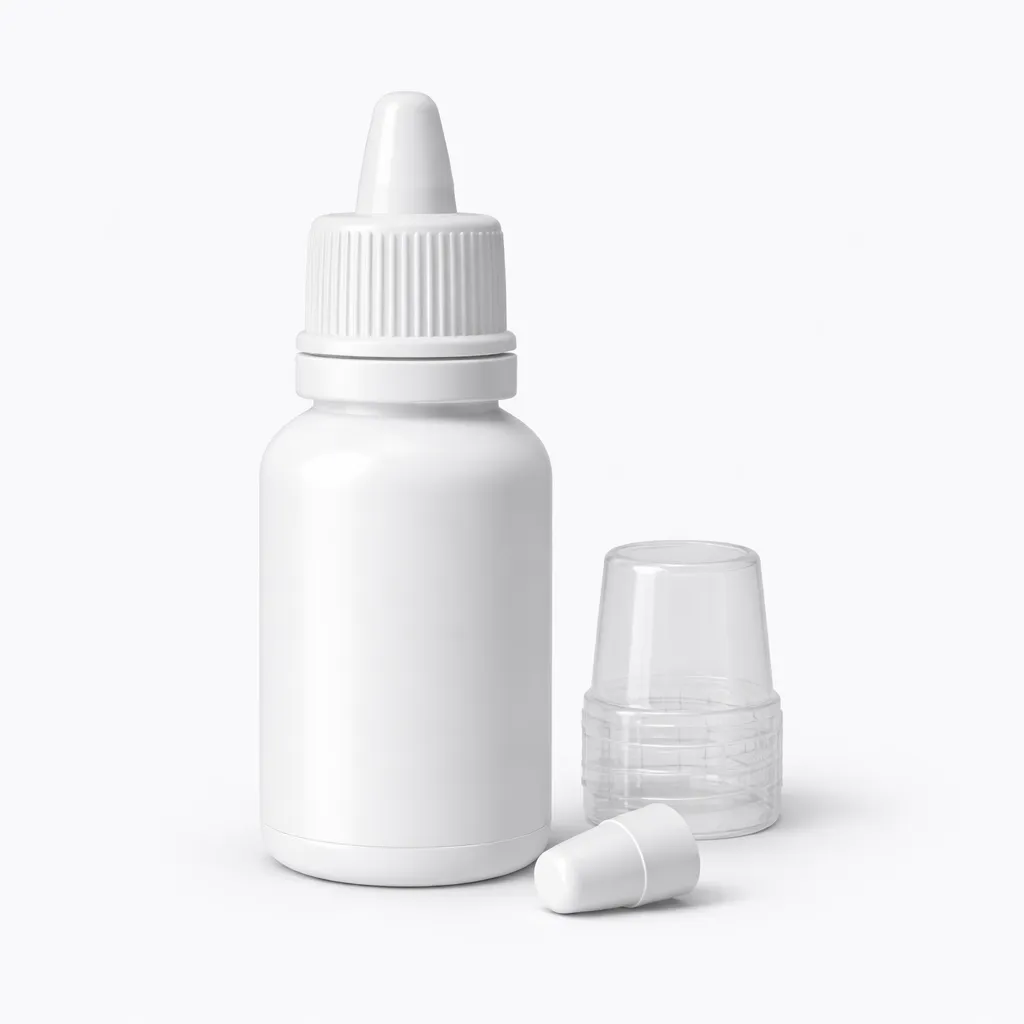
Description
RESYNC EYE DROPS 10ML
Indications
RESYNC Eye Drops are primarily indicated for the management of dry eye syndrome, a condition characterized by insufficient tear production or poor tear quality, leading to discomfort, visual disturbances, and potential damage to the ocular surface. These eye drops are formulated to provide lubrication and hydration to the eyes, alleviating symptoms associated with dryness, irritation, and environmental factors such as wind or air conditioning. Additionally, RESYNC may be used as a supportive treatment for patients undergoing ocular surgeries or those who wear contact lenses.
Mechanism of Action
The active ingredients in RESYNC Eye Drops work synergistically to restore moisture to the ocular surface. The formulation typically contains a combination of lubricating agents, such as hyaluronic acid, which is known for its high water retention capacity and ability to enhance the viscosity of tears. By mimicking the natural tear film, RESYNC Eye Drops help to stabilize the tear film, reduce evaporation, and promote comfort. This action not only alleviates symptoms of dryness but also aids in the protection of the corneal epithelium, facilitating healing and reducing the risk of further ocular damage.
Pharmacological Properties
RESYNC Eye Drops exhibit several pharmacological properties that contribute to their effectiveness in treating dry eye syndrome. The primary component, hyaluronic acid, is a biopolymer that possesses excellent biocompatibility and viscoelastic properties. This allows for prolonged retention of the drops on the ocular surface, providing extended relief from dryness. The formulation is typically isotonic and pH-balanced, ensuring compatibility with the natural tears and minimizing irritation upon instillation. Additionally, the preservative-free formulation reduces the risk of toxicity and allergic reactions, making it suitable for long-term use.
Contraindications
RESYNC Eye Drops should not be used in individuals with known hypersensitivity to any of the components in the formulation. Patients with severe ocular infections or those who have undergone recent ocular surgery should consult with their healthcare provider before using these eye drops. It is essential to avoid using the product if the seal is broken or if there are any signs of contamination in the bottle, as this may pose a risk of further ocular complications.
Side Effects
While RESYNC Eye Drops are generally well-tolerated, some users may experience mild side effects. Common side effects include transient stinging or burning upon instillation, blurred vision, and a sensation of foreign body in the eye. These effects are usually temporary and resolve shortly after application. In rare cases, patients may experience allergic reactions such as redness, itching, or swelling of the eyelid. If any severe adverse reactions occur, it is crucial to discontinue use and seek medical attention immediately.
Dosage and Administration
The recommended dosage for RESYNC Eye Drops is typically one or two drops in the affected eye(s) as needed, depending on the severity of symptoms. Patients are advised to follow the instructions provided by their healthcare professional or the product label. To ensure proper administration, it is recommended to wash hands before use, tilt the head slightly backward, and gently pull down the lower eyelid to create a pocket. The dropper should not touch the eye or any surface to avoid contamination. After instillation, patients should close their eyes for a few moments to allow the solution to spread evenly across the ocular surface.
Interactions
Currently, there are no known significant drug interactions associated with RESYNC Eye Drops. However, patients using other topical ophthalmic medications should space the administration of different products by at least 5 to 10 minutes to avoid dilution or interference with the therapeutic effects. It is advisable to consult with a healthcare provider regarding the use of RESYNC in conjunction with other eye medications or treatments.
Precautions
Patients should exercise caution when using RESYNC Eye Drops if they have pre-existing ocular conditions such as glaucoma or a history of corneal disease. It is essential to inform healthcare providers about any other medications being taken, including systemic medications, as they may influence ocular health. Additionally, contact lens wearers should consult their eye care professional before using the drops, as some formulations may require specific instructions for use with contact lenses. It is also advisable to avoid touching the dropper tip to any surfaces, including the eye, to prevent contamination.
Clinical Studies
Several clinical studies have evaluated the efficacy and safety of RESYNC Eye Drops in managing dry eye symptoms. In a randomized controlled trial, patients reported significant improvement in ocular comfort and reduction in symptoms of dryness after using RESYNC compared to a placebo. The study highlighted the formulation’s ability to enhance tear film stability and reduce tear evaporation, thereby providing long-lasting relief. Another study demonstrated the favorable safety profile of RESYNC, with minimal adverse effects reported among participants. These findings support the use of RESYNC Eye Drops as an effective option for individuals suffering from dry eye syndrome.
Conclusion
RESYNC Eye Drops offer a reliable solution for individuals experiencing the discomfort associated with dry eye syndrome. With their unique formulation designed to mimic natural tears, these eye drops provide lubrication, hydration, and protection to the ocular surface. The lack of preservatives and the favorable safety profile make RESYNC suitable for long-term use, enhancing patient compliance and comfort. As always, it is essential for users to follow the recommended dosage and consult with healthcare professionals for personalized advice regarding their eye health.
Important
It is crucial to use RESYNC Eye Drops responsibly and as directed. If symptoms persist or worsen, seek medical advice promptly. Always consult with a healthcare professional before starting any new treatment.