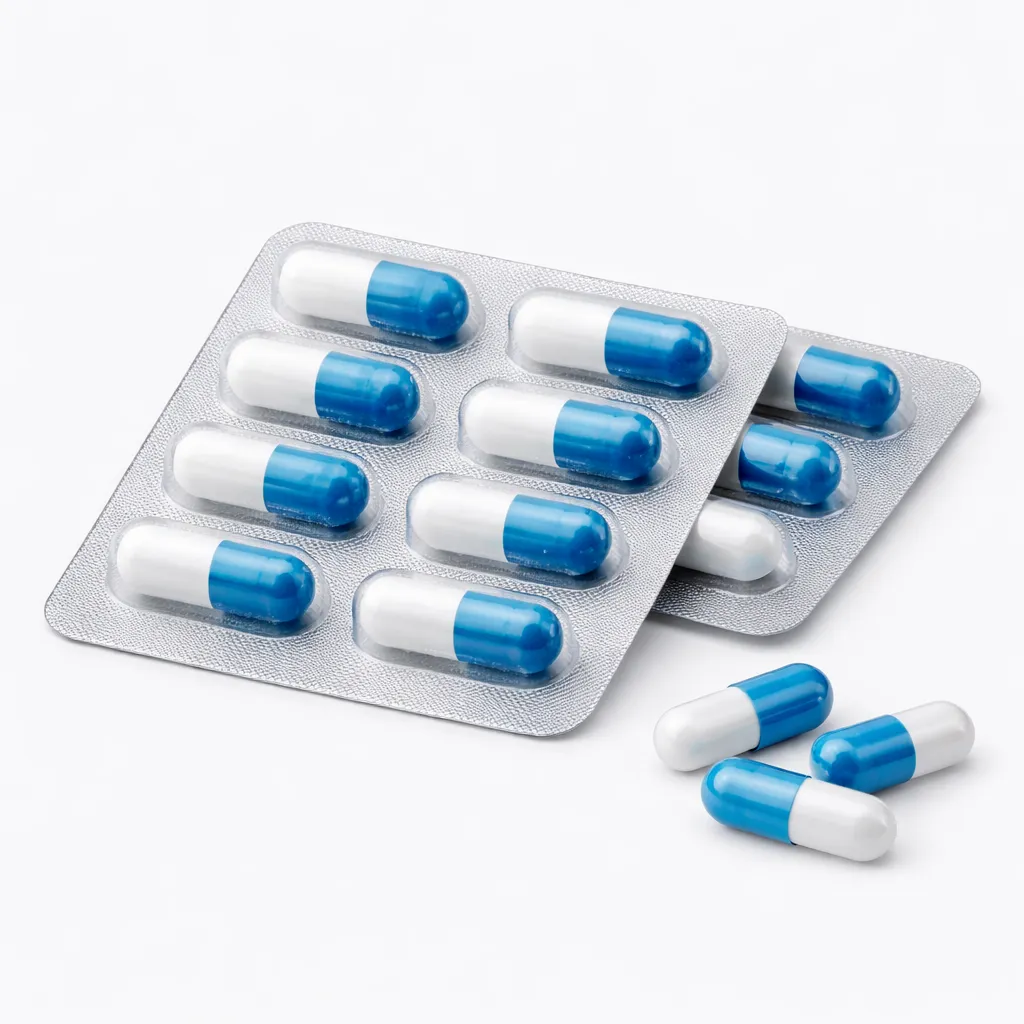
Description
REZIZ TAB (1X2)
Indications
REZIZ TAB (1X2) is primarily indicated for the management of various conditions associated with anxiety and depression. It is often prescribed for patients experiencing generalized anxiety disorder (GAD), major depressive disorder (MDD), and panic disorders. The formulation is designed to alleviate symptoms such as excessive worry, restlessness, and mood disturbances, thereby improving the overall quality of life for individuals affected by these mental health conditions.
Mechanism of Action
REZIZ TAB works through a multifaceted mechanism of action that involves the modulation of neurotransmitter systems in the brain. The active ingredients in REZIZ TAB primarily target serotonin and norepinephrine receptors, leading to an increase in the levels of these neurotransmitters. This enhancement helps to stabilize mood and reduce anxiety. The precise pathways may involve the inhibition of serotonin reuptake and the enhancement of norepinephrine activity, contributing to its therapeutic effects in mood regulation and anxiety reduction.
Pharmacological Properties
The pharmacological properties of REZIZ TAB include its absorption, distribution, metabolism, and excretion (ADME) profile. Upon oral administration, the active compounds are rapidly absorbed into the bloodstream, reaching peak plasma concentrations within a few hours. The drug is widely distributed throughout the body, with a significant volume of distribution indicating extensive tissue binding. Metabolism occurs primarily in the liver through cytochrome P450 enzymes, leading to the formation of active metabolites. The elimination half-life of the drug allows for once-daily dosing in many cases, providing convenience for patients. Excretion is predominantly via the kidneys, with a small fraction eliminated in feces.
Contraindications
REZIZ TAB is contraindicated in patients with a known hypersensitivity to any of its components. Additionally, it should not be used in individuals with a history of serotonin syndrome or those taking monoamine oxidase inhibitors (MAOIs) within the last 14 days. Caution is advised in patients with a history of bipolar disorder, as the use of REZIZ TAB may precipitate manic episodes. Pregnant and breastfeeding women should also avoid this medication unless deemed necessary by a healthcare provider.
Side Effects
Common side effects associated with the use of REZIZ TAB include nausea, dizziness, dry mouth, and fatigue. Some patients may experience gastrointestinal disturbances such as diarrhea or constipation. More serious side effects, though less common, can include increased heart rate, hypertension, and severe allergic reactions. Patients are advised to report any unusual symptoms or side effects to their healthcare provider promptly. Monitoring for suicidal thoughts or behaviors is essential, particularly in the initial stages of treatment or during dosage adjustments.
Dosage and Administration
The recommended dosage of REZIZ TAB varies based on the condition being treated and individual patient factors. For adults, the typical starting dose is 50 mg once daily, which may be adjusted based on clinical response and tolerability. The maximum recommended dose should not exceed 200 mg per day. It is important to take the medication consistently at the same time each day to maintain stable blood levels. Patients are advised to swallow the tablet whole, without crushing or chewing, and can take it with or without food.
Interactions
REZIZ TAB may interact with various medications, leading to potential adverse effects or altered therapeutic efficacy. Concomitant use of other central nervous system depressants, such as alcohol, benzodiazepines, or opioids, may enhance sedative effects and increase the risk of respiratory depression. Additionally, medications that affect cytochrome P450 enzymes can alter the metabolism of REZIZ TAB, necessitating dosage adjustments. It is crucial for patients to inform their healthcare provider of all medications, supplements, and herbal products they are taking to avoid potential interactions.
Precautions
Patients using REZIZ TAB should be monitored closely for any signs of worsening depression or the emergence of suicidal thoughts, especially during the initial treatment phase or following dosage changes. Caution is advised in patients with a history of seizures, liver or kidney impairment, or those with a history of substance abuse. It is also essential to consider the potential for withdrawal symptoms with abrupt discontinuation of the medication; therefore, a gradual tapering of the dose is recommended when stopping treatment. Regular follow-up appointments with a healthcare provider are important to assess treatment efficacy and safety.
Clinical Studies
Clinical studies evaluating the efficacy and safety of REZIZ TAB have demonstrated its effectiveness in reducing symptoms of anxiety and depression. In a randomized, double-blind, placebo-controlled trial involving adults with GAD, participants receiving REZIZ TAB showed significant improvements in anxiety scores compared to those on placebo. Another study focused on patients with MDD indicated that REZIZ TAB was associated with a notable reduction in depressive symptoms and an overall improvement in quality of life metrics. These studies underscore the importance of REZIZ TAB as a viable treatment option for individuals struggling with anxiety and mood disorders.
Conclusion
REZIZ TAB (1X2) is a valuable therapeutic option for the management of anxiety and depression. Its dual-action mechanism on serotonin and norepinephrine pathways provides symptomatic relief for many patients. However, careful consideration of contraindications, potential side effects, and drug interactions is essential for safe and effective use. Ongoing monitoring and collaboration with healthcare providers can optimize treatment outcomes and enhance patient well-being.
Important
It is crucial to use REZIZ TAB responsibly and under the guidance of a qualified healthcare professional. Patients should adhere to prescribed dosages and report any concerning symptoms to their healthcare provider promptly.