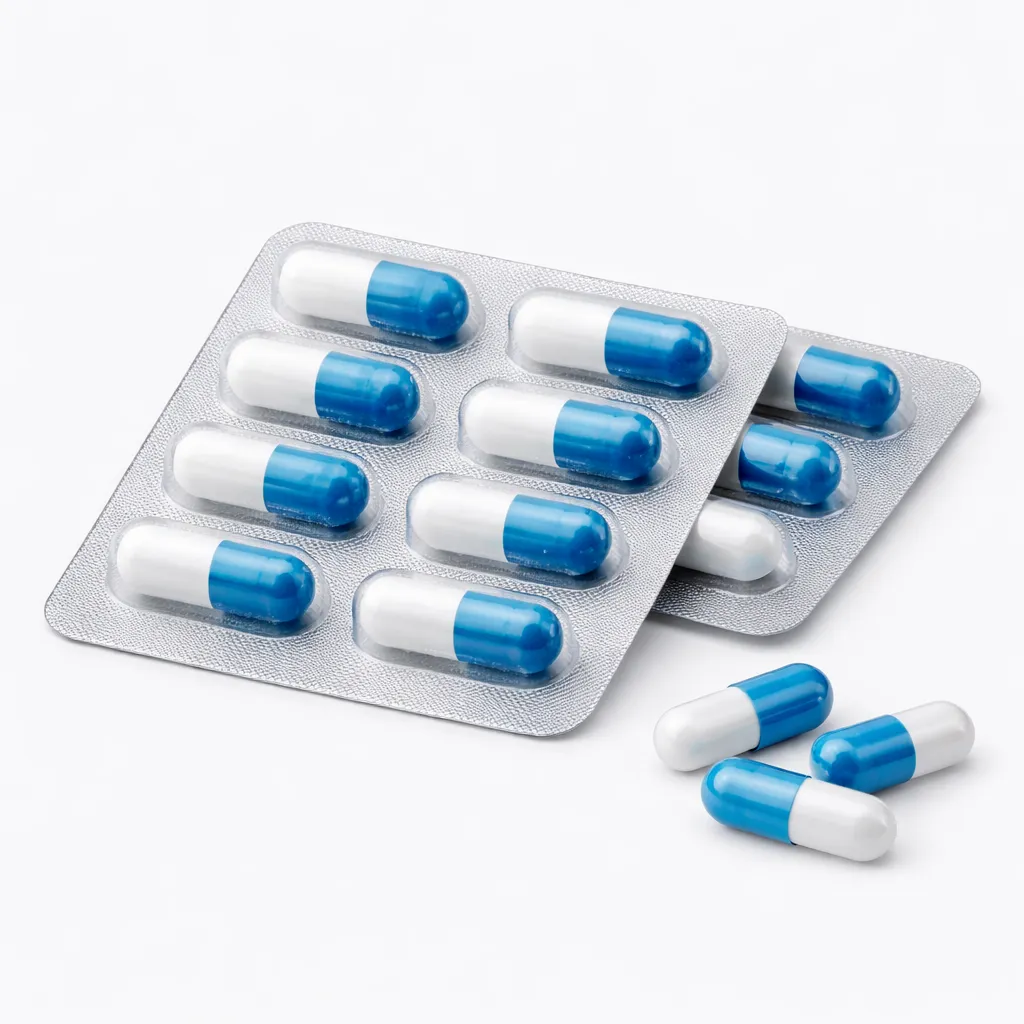
Description
RIZORA 10 MG
Indications
RIZORA 10 MG is primarily indicated for the treatment of moderate to severe anxiety disorders. It is often prescribed for patients who experience excessive worry and anxiety that interferes with daily functioning. Additionally, RIZORA may be used in the management of panic disorder, generalized anxiety disorder (GAD), and social anxiety disorder. The medication is also utilized off-label for conditions such as insomnia and certain mood disorders, where anxiety plays a significant role.
Mechanism of Action
The active ingredient in RIZORA 10 MG is a selective serotonin reuptake inhibitor (SSRI). Its primary mechanism involves the inhibition of serotonin reuptake in the synaptic cleft, leading to increased levels of serotonin in the brain. This elevation in serotonin is believed to contribute to the alleviation of anxiety symptoms. By enhancing serotonergic neurotransmission, RIZORA helps to restore balance in mood and anxiety regulation, thereby improving overall emotional well-being.
Pharmacological Properties
RIZORA exhibits a pharmacokinetic profile characterized by rapid absorption and a moderate half-life, allowing for once-daily dosing. The peak plasma concentration is typically reached within a few hours after oral administration. The drug is extensively metabolized in the liver, primarily through cytochrome P450 enzymes, which play a crucial role in its clearance from the body. RIZORA is also known to have a favorable side effect profile compared to older anxiolytics, making it a preferred choice in clinical practice.
Contraindications
RIZORA 10 MG is contraindicated in patients with a known hypersensitivity to the active ingredient or any of the excipients in the formulation. It should not be used in individuals taking monoamine oxidase inhibitors (MAOIs) or those who have recently discontinued MAOIs, as this may lead to serious drug interactions. Additionally, caution is advised in patients with a history of seizures, bipolar disorder, or those who are pregnant or breastfeeding, as the effects on the fetus or infant are not fully understood.
Side Effects
Common side effects associated with RIZORA 10 MG include nausea, headache, dizziness, dry mouth, and fatigue. These side effects are generally mild and tend to diminish over time as the body adjusts to the medication. However, some patients may experience more severe reactions, such as increased anxiety, suicidal thoughts, or serotonin syndrome, which is a potentially life-threatening condition characterized by confusion, rapid heart rate, and elevated body temperature. Patients should be monitored closely during the initial treatment phase and following any dosage adjustments.
Dosage and Administration
The recommended starting dose of RIZORA 10 MG is typically one tablet taken orally once daily, preferably in the morning. Depending on the patient’s response and tolerance, the dosage may be increased to a maximum of 20 MG per day after a minimum of one week. It is essential for patients to follow their healthcare provider’s instructions regarding dosage adjustments and to avoid abrupt discontinuation of the medication to prevent withdrawal symptoms. RIZORA can be taken with or without food, but consistency in administration is advised to maintain stable drug levels in the bloodstream.
Interactions
RIZORA 10 MG may interact with several medications, potentially altering its efficacy or increasing the risk of adverse effects. Co-administration with other serotonergic drugs, such as triptans or other SSRIs, can increase the risk of serotonin syndrome. Additionally, medications that affect liver enzymes, particularly CYP450 2D6 and 3A4, may influence the metabolism of RIZORA, necessitating dose adjustments. Patients should inform their healthcare provider of all medications, supplements, and herbal products they are taking to avoid potential interactions.
Precautions
Before initiating treatment with RIZORA, a thorough medical history should be obtained to identify any pre-existing conditions that may affect treatment. Special caution is warranted in patients with a history of substance abuse, as there is a potential for misuse. Monitoring for signs of worsening depression or suicidal ideation is crucial, particularly in the initial stages of treatment or during dosage adjustments. Patients should be advised to avoid alcohol consumption while taking RIZORA, as it may exacerbate side effects and impair judgment.
Clinical Studies
Numerous clinical studies have demonstrated the efficacy of RIZORA 10 MG in reducing symptoms of anxiety disorders. In randomized controlled trials, patients treated with RIZORA showed significant improvement in anxiety scores compared to placebo groups. The onset of action is typically observed within the first few weeks of treatment, with maximum benefits often seen after several months. Long-term studies have indicated that RIZORA is effective in maintaining symptom relief with a manageable side effect profile, making it a valuable option in the pharmacological management of anxiety disorders.
Conclusion
RIZORA 10 MG is a well-established medication for the treatment of anxiety disorders, offering a favorable balance of efficacy and tolerability. Its mechanism of action as a selective serotonin reuptake inhibitor allows for effective management of anxiety symptoms, contributing to improved quality of life for many patients. As with any medication, it is essential for patients to engage in open communication with their healthcare providers to ensure safe and effective use of RIZORA, while also addressing any concerns regarding side effects or potential interactions.
Important
It is crucial for patients to use RIZORA 10 MG responsibly and under the guidance of a healthcare professional. Misuse or abrupt discontinuation can lead to adverse effects. Always consult with a healthcare provider for personalized medical advice.