Description
ROXID 150 MG
Indications
ROXID 150 MG is primarily indicated for the treatment of various bacterial infections. It is effective against a wide range of Gram-positive and Gram-negative bacteria, making it a suitable choice for conditions such as respiratory tract infections, skin and soft tissue infections, urinary tract infections, and certain types of gastroenteritis. Additionally, it may be used in the management of infections caused by specific pathogens resistant to other antibiotics.
Mechanism of Action
ROXID 150 MG contains Roxithromycin, a macrolide antibiotic that works by inhibiting bacterial protein synthesis. It binds to the 50S subunit of the bacterial ribosome, thereby blocking the translocation of peptides during protein synthesis. This action ultimately prevents the growth and reproduction of bacteria, allowing the body’s immune system to effectively eliminate the infection. Roxithromycin exhibits both bacteriostatic and bactericidal properties, depending on the concentration and the type of bacteria involved.
Pharmacological Properties
Roxithromycin is well-absorbed from the gastrointestinal tract, with peak plasma concentrations occurring approximately 2 to 3 hours after oral administration. It has a bioavailability of around 50% due to first-pass metabolism in the liver. The drug has a large volume of distribution, indicating extensive tissue penetration, particularly in the lungs, liver, and soft tissues. Roxithromycin is primarily metabolized in the liver and is excreted mainly in the bile. Its half-life is approximately 12 hours, allowing for once-daily dosing in most cases.
Contraindications
ROXID 150 MG is contraindicated in patients with a known hypersensitivity to Roxithromycin or any other macrolide antibiotics. It should also be avoided in individuals with a history of cholestatic jaundice or hepatic dysfunction related to previous use of Roxithromycin. Caution is advised in patients with severe renal impairment, as dosage adjustments may be necessary to prevent accumulation of the drug.
Side Effects
Like all medications, ROXID 150 MG may cause side effects, although not everyone will experience them. Common side effects include gastrointestinal disturbances such as nausea, vomiting, diarrhea, and abdominal pain. Other potential side effects may include headache, dizziness, and rash. Serious adverse effects, although rare, can include hepatotoxicity, allergic reactions, and QT prolongation, which can lead to arrhythmias. Patients should be advised to report any unusual symptoms or severe side effects to their healthcare provider immediately.
Dosage and Administration
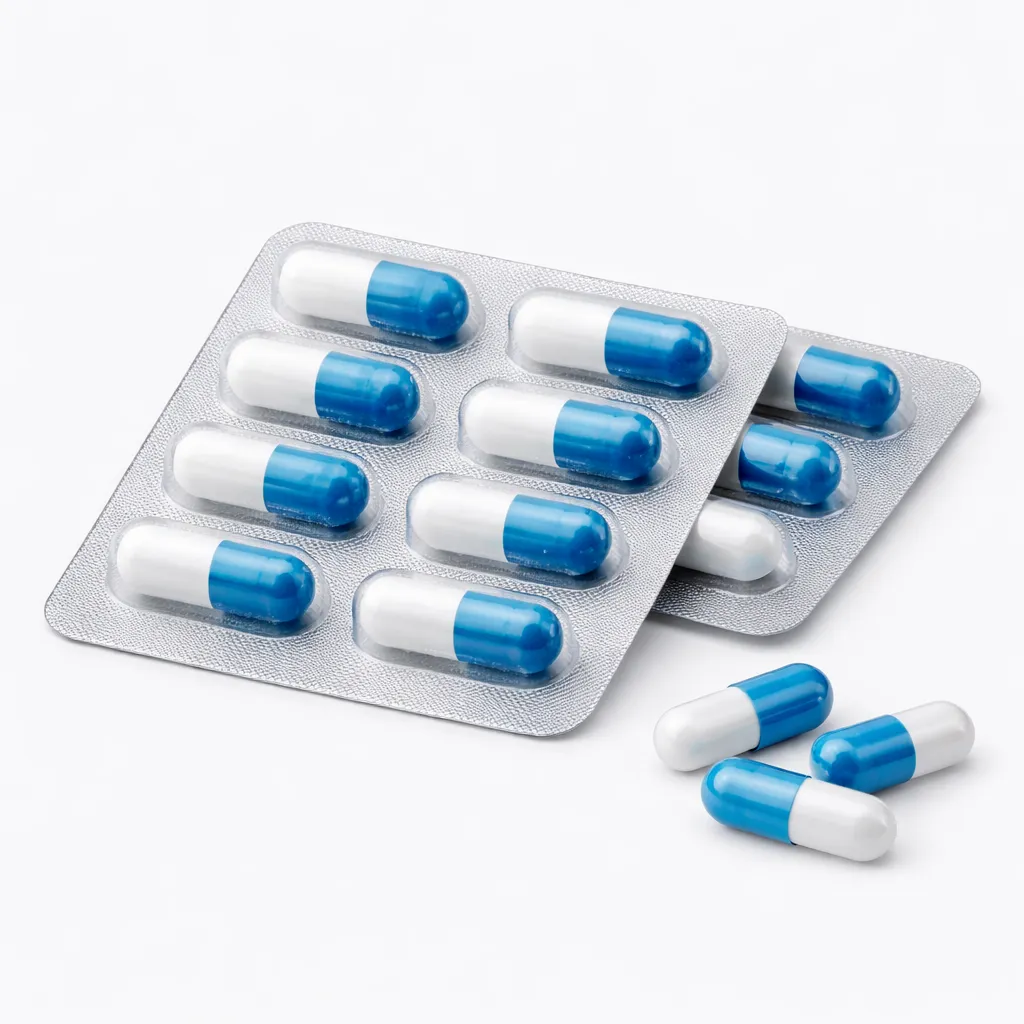
The recommended dosage of ROXID 150 MG for adults is typically one tablet taken once daily, preferably at the same time each day to maintain consistent blood levels. For pediatric patients, the dosage may vary based on weight and the specific condition being treated. It is essential to follow the prescribing physician’s recommendations regarding dosage and duration of therapy. Patients should be advised to complete the full course of antibiotics, even if symptoms improve, to prevent the development of antibiotic resistance.
Interactions
ROXID 150 MG may interact with various medications, which can affect its efficacy or increase the risk of side effects. Notably, concurrent use with other drugs that prolong the QT interval, such as certain antiarrhythmics, antipsychotics, and some antifungals, should be approached with caution. Additionally, Roxithromycin may enhance the effects of anticoagulants like warfarin, necessitating careful monitoring of coagulation parameters. It is crucial for patients to inform their healthcare providers about all medications, including over-the-counter drugs and supplements, to avoid potential interactions.
Precautions
Before starting treatment with ROXID 150 MG, it is important to conduct a thorough medical history and physical examination. Patients with a history of liver disease, cardiac arrhythmias, or electrolyte imbalances should be monitored closely during therapy. Special caution should be exercised in the elderly and those with significant comorbidities. Pregnant and breastfeeding women should discuss the risks and benefits of using ROXID 150 MG with their healthcare provider, as the safety of Roxithromycin in these populations has not been fully established.
Clinical Studies
Several clinical studies have evaluated the efficacy and safety of ROXID 150 MG in treating various infections. In a randomized controlled trial involving patients with community-acquired pneumonia, Roxithromycin demonstrated comparable efficacy to other commonly used antibiotics, with a favorable safety profile. Another study focused on its use in skin and soft tissue infections, showing significant improvement in clinical symptoms and microbiological clearance. These studies support the use of ROXID 150 MG as a reliable option for treating bacterial infections, particularly in cases where traditional antibiotics may be less effective.
Conclusion
ROXID 150 MG is a versatile macrolide antibiotic that plays a crucial role in the management of various bacterial infections. Its unique mechanism of action, combined with its favorable pharmacokinetic properties, makes it an effective treatment option. However, careful consideration of contraindications, potential side effects, and drug interactions is essential to ensure safe and effective use. As with all antibiotics, responsible prescribing and adherence to treatment guidelines are vital to combat antibiotic resistance and promote optimal patient outcomes.
Important
It is essential to use ROXID 150 MG responsibly and only under the guidance of a qualified healthcare professional. Misuse or overuse of antibiotics can lead to resistance, making infections harder to treat in the future. Always follow the prescribed dosage and complete the full course of treatment.