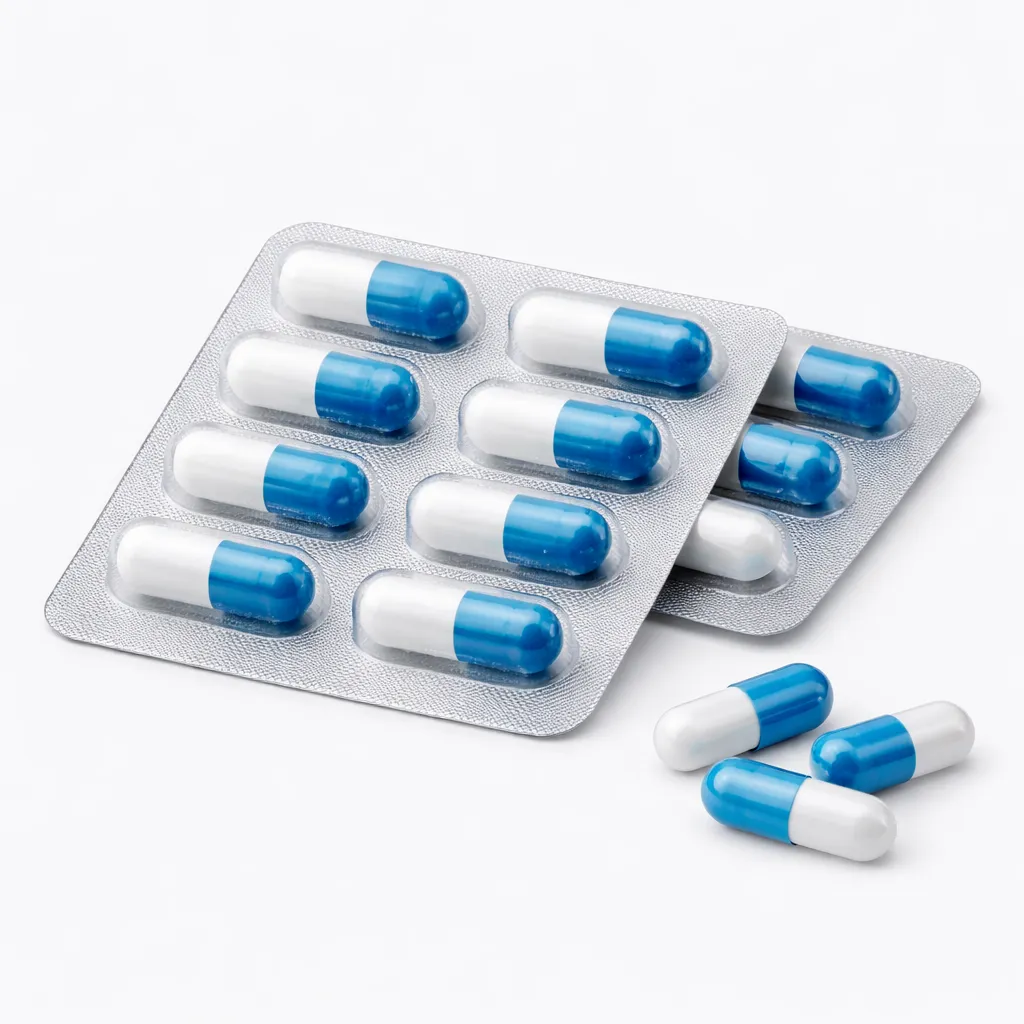
Description
RPIGAT 10 MG
Indications
RPIGAT 10 MG is primarily indicated for the management of certain medical conditions related to the gastrointestinal system. It is commonly prescribed for the treatment of gastroesophageal reflux disease (GERD), peptic ulcers, and other acid-related disorders. The medication helps alleviate symptoms such as heartburn, acid indigestion, and discomfort associated with excessive stomach acid production.
Mechanism of Action
RPIGAT 10 MG functions as a proton pump inhibitor (PPI). It works by irreversibly inhibiting the hydrogen-potassium ATPase enzyme system located in the gastric parietal cells. This inhibition results in a significant reduction of gastric acid secretion, thereby decreasing the acidity in the stomach and esophagus. By lowering gastric acid levels, RPIGAT promotes healing of the esophagus and stomach lining, alleviating symptoms associated with acid-related disorders.
Pharmacological Properties
The pharmacokinetics of RPIGAT 10 MG indicate that it is rapidly absorbed after oral administration, with peak plasma concentrations typically occurring within 1 to 2 hours. The drug exhibits a high degree of protein binding, primarily to albumin. Metabolism occurs in the liver, mainly through cytochrome P450 enzymes, and the drug is excreted primarily via the urine. The half-life of RPIGAT is approximately 1 to 2 hours, but the duration of acid suppression can last up to 24 hours due to its mechanism of action.
Contraindications
RPIGAT 10 MG is contraindicated in patients with known hypersensitivity to the active ingredient or any of the excipients in the formulation. Additionally, it should not be used in patients with severe liver impairment or those who are pregnant or breastfeeding unless the potential benefits outweigh the risks. Caution is advised in patients with a history of gastric malignancy, as the drug may mask symptoms of underlying conditions.
Side Effects
Common side effects associated with RPIGAT 10 MG include headache, diarrhea, constipation, nausea, and abdominal pain. Less frequently, patients may experience dizziness, fatigue, and skin rashes. Serious adverse effects can occur, including an increased risk of Clostridium difficile infection in the colon, renal impairment, and vitamin B12 deficiency with long-term use. Patients should be monitored for these potential complications, especially if RPIGAT is prescribed for extended periods.
Dosage and Administration
The recommended dosage of RPIGAT 10 MG for adults typically starts at one tablet taken orally once daily, preferably before a meal. The duration of therapy may vary depending on the condition being treated, with a usual course lasting from 4 to 8 weeks for GERD and peptic ulcers. For maintenance therapy, a lower dose may be considered based on the patient’s response and clinical judgment. It is important for patients to follow their healthcare provider’s instructions regarding dosage and duration of treatment.
Interactions
RPIGAT 10 MG may interact with several medications, potentially altering their effectiveness or increasing the risk of adverse effects. Notable interactions include those with anticoagulants, such as warfarin, which may require close monitoring of INR levels. Additionally, drugs that rely on gastric pH for absorption, such as certain antifungals and antiretrovirals, may have altered bioavailability when taken concurrently with RPIGAT. It is essential for patients to inform their healthcare providers of all medications they are taking to avoid potential drug interactions.
Precautions
Before initiating treatment with RPIGAT 10 MG, healthcare providers should assess the patient’s medical history, including any previous gastrointestinal disorders, liver function, and the presence of any other medical conditions. Patients should be advised to report any unusual symptoms or side effects during treatment. Long-term use of RPIGAT may necessitate periodic evaluations to monitor for potential complications, such as bone fractures or gastrointestinal infections. Special caution is warranted in elderly patients, who may be at higher risk for adverse effects.
Clinical Studies
Clinical studies have demonstrated the efficacy of RPIGAT 10 MG in reducing symptoms associated with GERD and promoting healing of peptic ulcers. In a randomized controlled trial, patients receiving RPIGAT showed a significant reduction in heartburn frequency and severity compared to those receiving a placebo. Additionally, endoscopic evaluations revealed a higher rate of ulcer healing in patients treated with RPIGAT. These findings support the use of RPIGAT as a first-line therapy for acid-related disorders, highlighting its role in improving patient quality of life.
Conclusion
RPIGAT 10 MG is an effective medication for the management of acid-related gastrointestinal disorders. Its mechanism of action as a proton pump inhibitor allows for significant reduction in gastric acid secretion, providing relief from symptoms and promoting healing. While generally well-tolerated, it is important for patients to be aware of potential side effects and interactions with other medications. Proper dosage and adherence to treatment guidelines are essential for maximizing therapeutic benefits. Patients should engage in open communication with their healthcare providers to ensure safe and effective use of RPIGAT.
Important
It is crucial to use RPIGAT 10 MG responsibly and only under the guidance of a qualified healthcare professional. Patients should adhere to prescribed dosages and report any side effects or concerns to their healthcare provider promptly.