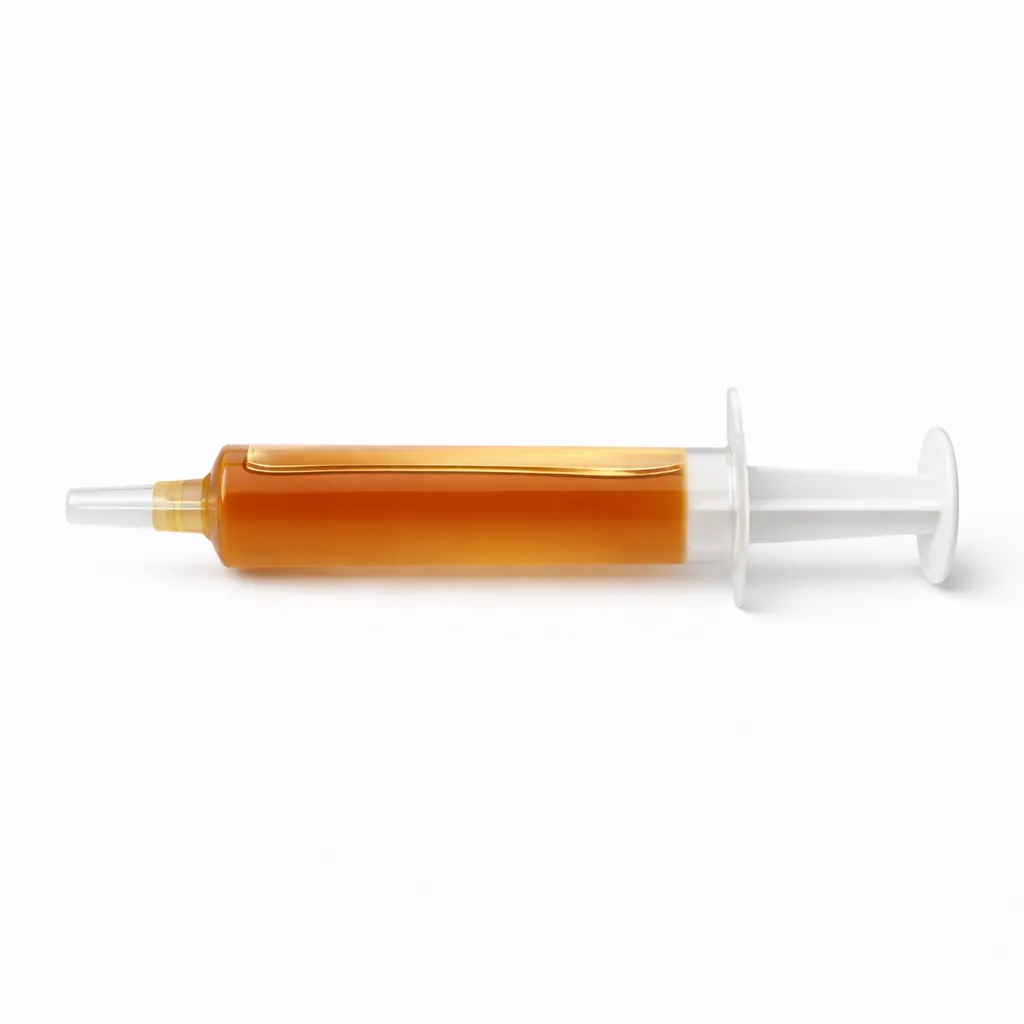
Description
RPIGAT 20 MG
Indications
RPIGAT 20 MG is primarily indicated for the management of type 2 diabetes mellitus in adults. It is used as an adjunct to diet and exercise to improve glycemic control. This medication may also be prescribed for patients with certain metabolic disorders and is often utilized in combination with other antidiabetic agents to achieve optimal blood sugar levels.
Mechanism of Action
RPIGAT 20 MG contains the active ingredient that enhances insulin sensitivity and secretion. It acts by stimulating the pancreatic beta cells to release insulin in response to elevated blood glucose levels. Additionally, it reduces hepatic glucose production and improves peripheral glucose uptake, thereby lowering blood glucose concentrations. This multifaceted approach aids in achieving better glycemic control in patients with type 2 diabetes.
Pharmacological Properties
RPIGAT 20 MG is characterized by its pharmacokinetic properties, which include rapid absorption following oral administration. The peak plasma concentration is typically reached within a few hours. The drug is metabolized in the liver and excreted primarily through the kidneys. Its half-life allows for once-daily dosing, making it a convenient option for patients. The pharmacodynamics of RPIGAT demonstrate its efficacy in lowering fasting and postprandial glucose levels, contributing to improved overall glycemic control.
Contraindications
RPIGAT 20 MG is contraindicated in patients with a known hypersensitivity to the active ingredient or any of the excipients in the formulation. It should not be used in individuals with type 1 diabetes mellitus or for the treatment of diabetic ketoacidosis. Additionally, patients with severe renal impairment or liver disease should avoid this medication due to the increased risk of adverse effects and potential accumulation of the drug in the body.
Side Effects
Common side effects associated with RPIGAT 20 MG include gastrointestinal disturbances such as nausea, vomiting, and diarrhea. Other potential side effects may include headache, dizziness, and fatigue. In rare cases, patients may experience serious adverse effects such as hypoglycemia, allergic reactions, or liver dysfunction. It is essential for patients to report any unusual symptoms to their healthcare provider promptly.
Dosage and Administration
The recommended starting dose of RPIGAT 20 MG is one tablet taken orally once daily, preferably at the same time each day to maintain consistent blood levels. The dosage may be adjusted based on individual patient response and tolerability, with a maximum recommended dose not exceeding 40 MG per day. It is crucial for patients to adhere to their prescribed regimen and to monitor their blood glucose levels regularly to ensure optimal management of their diabetes.
Interactions
RPIGAT 20 MG may interact with other medications, potentially altering their effects. It is important for patients to inform their healthcare provider of all medications they are currently taking, including over-the-counter drugs and herbal supplements. Significant interactions may occur with other antidiabetic agents, leading to an increased risk of hypoglycemia. Additionally, medications that affect liver enzymes may alter the metabolism of RPIGAT, necessitating dose adjustments.
Precautions
Before starting RPIGAT 20 MG, patients should undergo a thorough medical evaluation to assess their overall health and any underlying conditions. Special precautions should be taken in elderly patients, as they may be more susceptible to the side effects of the medication. Patients with a history of cardiovascular disease, renal impairment, or liver dysfunction should be closely monitored during treatment. Regular follow-up appointments are essential to evaluate the effectiveness of the therapy and to make any necessary adjustments to the treatment plan.
Clinical Studies
Clinical studies have demonstrated the efficacy of RPIGAT 20 MG in improving glycemic control in patients with type 2 diabetes. In randomized controlled trials, patients receiving RPIGAT showed significant reductions in HbA1c levels compared to those on placebo. Additionally, studies have indicated that RPIGAT is well-tolerated, with a side effect profile comparable to other antidiabetic medications. Long-term studies have also suggested that RPIGAT may contribute to weight management, a crucial aspect of diabetes care.
Conclusion
RPIGAT 20 MG is a valuable therapeutic option for the management of type 2 diabetes mellitus. Its unique mechanism of action, combined with its pharmacological properties, makes it an effective choice for improving glycemic control. However, careful consideration of contraindications, potential side effects, and drug interactions is essential for safe and effective use. Ongoing monitoring and patient education are critical components of successful diabetes management with RPIGAT.
Important
It is essential to use RPIGAT 20 MG responsibly and under the guidance of a healthcare professional. Patients should be aware of their condition and adhere to prescribed treatment plans for optimal health outcomes.