
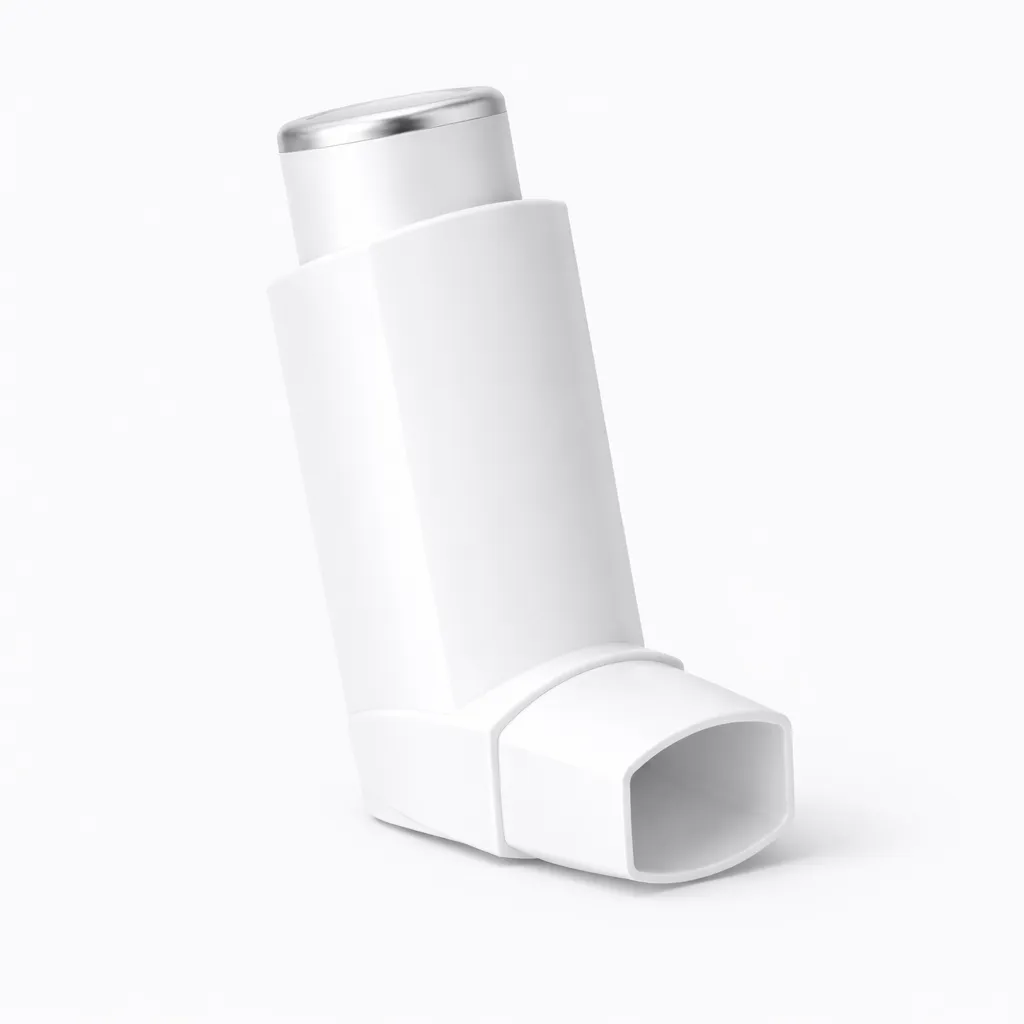
Description
SEROFLO INHALER 125 MCG
Indications
SEROFLO INHALER 125 MCG is primarily indicated for the management and prevention of bronchospasm in patients with asthma and chronic obstructive pulmonary disease (COPD). It is designed to provide relief from symptoms such as wheezing, shortness of breath, and chest tightness. The inhaler is suitable for use in adults and children aged 4 years and older who require regular treatment for their respiratory conditions.
Mechanism of Action
SEROFLO INHALER contains two active ingredients: salmeterol and fluticasone propionate. Salmeterol is a long-acting beta-2 adrenergic agonist (LABA) that works by relaxing the muscles of the airways, leading to bronchodilation. This effect helps to open the airways, making it easier for patients to breathe. Fluticasone propionate is a corticosteroid that reduces inflammation in the airways, decreasing swelling and mucus production. Together, these components provide a comprehensive approach to managing respiratory conditions by addressing both bronchospasm and inflammation.
Pharmacological Properties
The pharmacokinetics of SEROFLO INHALER indicate that salmeterol has a prolonged duration of action, providing bronchodilation for up to 12 hours following administration. Fluticasone propionate, on the other hand, has a high affinity for the glucocorticoid receptor, which enhances its anti-inflammatory effects. The inhalation route of administration allows for direct delivery of the medication to the lungs, maximizing therapeutic efficacy while minimizing systemic exposure. The combination of these two agents results in improved lung function and symptom control in patients with asthma and COPD.
Contraindications
SEROFLO INHALER is contraindicated in patients with a known hypersensitivity to salmeterol, fluticasone propionate, or any of the excipients in the formulation. Additionally, it should not be used as a primary treatment for acute asthma attacks or in patients with severe asthma exacerbations. Caution is advised in patients with cardiovascular disorders, hyperthyroidism, or diabetes mellitus, as these conditions may be exacerbated by the use of beta-agonists.
Side Effects
Common side effects associated with the use of SEROFLO INHALER include headache, throat irritation, hoarseness, and oral candidiasis (thrush). Patients may also experience palpitations, tremors, or muscle cramps due to the beta-agonist component. Serious side effects, although rare, may include paradoxical bronchospasm, adrenal suppression, and anaphylactic reactions. It is essential for patients to report any unusual or severe side effects to their healthcare provider promptly.
Dosage and Administration
The recommended dosage of SEROFLO INHALER for adults and children aged 12 years and older is two inhalations (125 mcg of fluticasone propionate and 25 mcg of salmeterol) twice daily, approximately 12 hours apart. For children aged 4 to 11 years, the dosage is typically one inhalation (125 mcg of fluticasone propionate and 25 mcg of salmeterol) twice daily. It is important for patients to use the inhaler consistently and as prescribed to achieve optimal control of their symptoms. Patients should be instructed on the proper inhalation technique to ensure effective delivery of the medication.
Interactions
Drug interactions may occur when SEROFLO INHALER is used concurrently with other medications. Caution should be exercised when administering SEROFLO with other sympathomimetic agents, as this may potentiate cardiovascular effects. Additionally, the use of corticosteroids may be enhanced by certain medications that inhibit cytochrome P450 3A4, leading to increased plasma concentrations of fluticasone propionate. Patients should inform their healthcare provider of all medications, including over-the-counter drugs and herbal supplements, to minimize the risk of interactions.
Precautions
Patients using SEROFLO INHALER should be monitored for any signs of worsening asthma or COPD symptoms, as well as for potential side effects. It is crucial to assess the patient’s response to therapy regularly and adjust the treatment plan as necessary. Patients with a history of cardiovascular disease, seizures, or hyperthyroidism should be closely monitored due to the potential effects of salmeterol. Additionally, patients should be advised to avoid exposure to known allergens and irritants that may exacerbate their respiratory condition.
Clinical Studies
Clinical studies have demonstrated the efficacy of SEROFLO INHALER in improving lung function and reducing the frequency of asthma exacerbations. In a randomized controlled trial, patients using SEROFLO showed significant improvements in forced expiratory volume (FEV1) and a reduction in the need for rescue inhalers compared to those receiving placebo. Long-term studies have also indicated that the combination of salmeterol and fluticasone propionate is more effective in controlling symptoms than either agent used alone. These findings support the use of SEROFLO INHALER as a valuable treatment option for patients with persistent asthma and COPD.
Conclusion
SEROFLO INHALER 125 MCG is an effective combination therapy for the management of asthma and COPD. By providing both bronchodilation and anti-inflammatory effects, it addresses the underlying pathophysiology of these conditions. Patients should be educated on the proper use of the inhaler and the importance of adherence to their prescribed treatment regimen. Regular follow-up with healthcare providers is essential to ensure optimal management of respiratory symptoms and to minimize the risk of adverse effects.
Important
It is crucial to use SEROFLO INHALER responsibly and as directed by a healthcare professional. Patients should not exceed the recommended dosage and should seek medical advice if their symptoms worsen or do not improve. Regular monitoring and communication with healthcare providers are key to achieving the best outcomes in managing respiratory conditions.

