Description
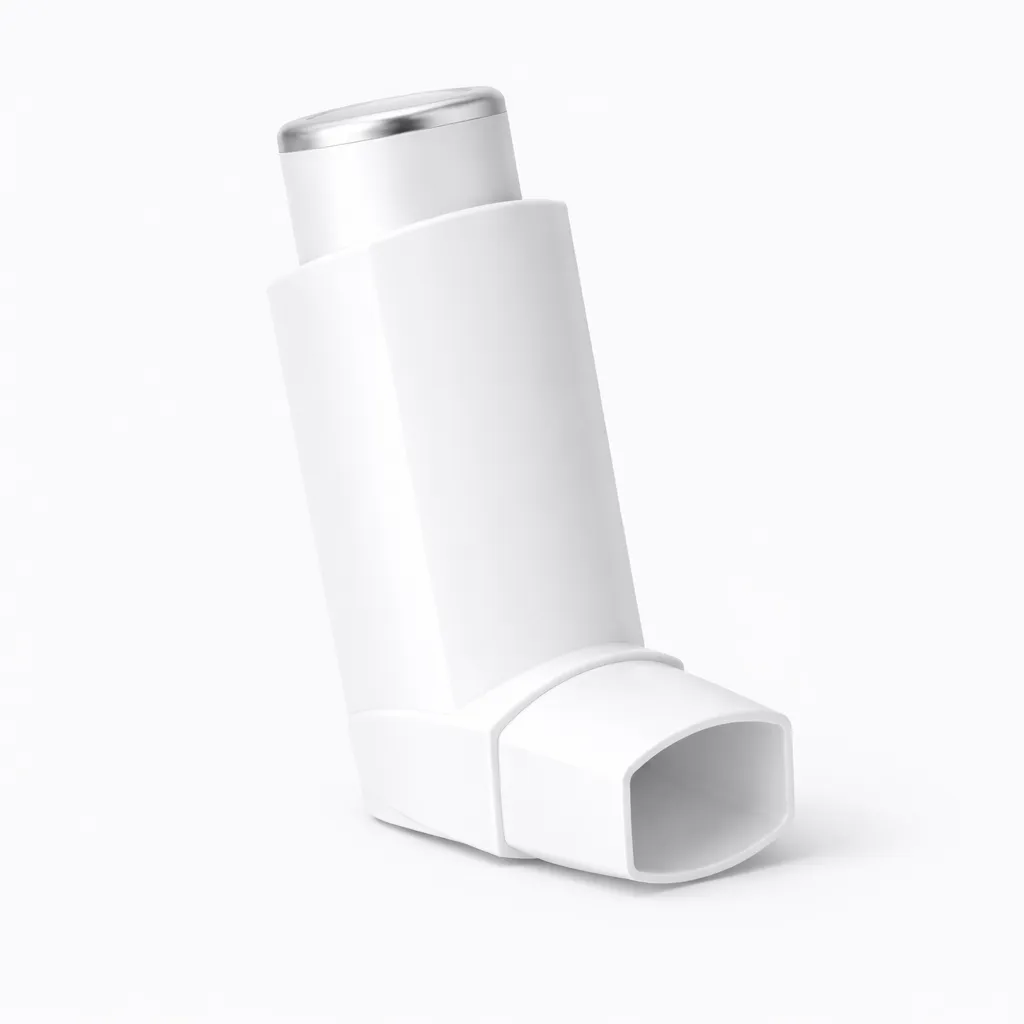
SEROFLO INHALER 50 MCG
Indications
SEROFLO INHALER 50 MCG is primarily indicated for the management of asthma and chronic obstructive pulmonary disease (COPD). It is designed to provide relief from symptoms such as wheezing, shortness of breath, and chest tightness. The inhaler combines two active ingredients: salmeterol, a long-acting beta-2 adrenergic agonist (LABA), and fluticasone propionate, a corticosteroid. This combination therapy is beneficial for patients who require both bronchodilation and anti-inflammatory effects to maintain adequate control of their respiratory conditions.
Mechanism of Action
The therapeutic effects of SEROFLO INHALER are attributed to its two active components. Salmeterol works by stimulating beta-2 adrenergic receptors in the smooth muscle lining of the airways, leading to bronchodilation. This action helps to relax the muscles around the airways, making it easier for patients to breathe. On the other hand, fluticasone propionate exerts its effects by inhibiting inflammatory responses in the airways. It reduces the release of inflammatory mediators, decreases mucus production, and minimizes airway hyper-responsiveness. Together, these mechanisms provide a comprehensive approach to managing asthma and COPD symptoms.
Pharmacological Properties
Salmeterol has a long duration of action, typically lasting up to 12 hours, which allows for twice-daily dosing. It is absorbed quickly into the bloodstream after inhalation, although it may take several minutes to reach peak effect. Fluticasone propionate, on the other hand, has a high affinity for the glucocorticoid receptor, which enhances its anti-inflammatory properties. When administered via inhalation, fluticasone propionate has a low systemic bioavailability, minimizing potential systemic side effects. The combination of these two agents in SEROFLO INHALER provides both immediate and sustained relief from respiratory symptoms.
Contraindications
SEROFLO INHALER is contraindicated in patients with a known hypersensitivity to salmeterol, fluticasone propionate, or any other components of the formulation. It should not be used as a rescue medication for acute bronchospasm. Additionally, patients with severe hypersensitivity reactions, including anaphylaxis, should avoid using this inhaler. Caution is also advised in patients with cardiovascular disorders, particularly those with a history of arrhythmias or hypertension, as beta-agonists can potentially exacerbate these conditions.
Side Effects
Common side effects associated with the use of SEROFLO INHALER may include headache, throat irritation, cough, and oral candidiasis (thrush). Patients may also experience palpitations, tremors, or muscle cramps due to the beta-agonist component. Long-term use of corticosteroids can lead to systemic effects such as adrenal suppression, osteoporosis, and increased susceptibility to infections. It is essential for patients to be monitored regularly for any adverse effects, particularly if they are using the inhaler for an extended period.
Dosage and Administration
The recommended dosage for adults and children aged 12 years and older is typically two inhalations of SEROFLO INHALER 50 MCG, administered twice daily (morning and evening). It is crucial for patients to follow the prescribed dosage and not exceed the recommended frequency. The inhaler should be used consistently to achieve optimal control of asthma or COPD symptoms. Patients should be instructed on the proper technique for using the inhaler to ensure effective delivery of the medication to the lungs.
Interactions
Drug interactions may occur with SEROFLO INHALER. Caution should be exercised when using other medications that can prolong the QT interval, as salmeterol may exacerbate this effect. Additionally, the use of other sympathomimetic agents can lead to increased cardiovascular side effects. Patients on corticosteroids should be monitored for potential interactions with other systemic corticosteroids, as this may increase the risk of adrenal suppression. It is advisable for patients to inform their healthcare provider of all medications they are currently taking, including over-the-counter drugs and supplements.
Precautions
Patients using SEROFLO INHALER should be regularly evaluated for their asthma or COPD control. It is important to note that this inhaler is not intended for the relief of acute bronchospasm; therefore, a rescue inhaler should be available for such situations. Patients with a history of cardiovascular disease, seizures, or hyperthyroidism should use this medication with caution. Regular monitoring of lung function and symptom control is essential to ensure the efficacy of the treatment and to make necessary adjustments to the management plan.
Clinical Studies
Clinical studies have demonstrated the efficacy and safety of SEROFLO INHALER in patients with asthma and COPD. In a randomized controlled trial, patients using the combination of salmeterol and fluticasone propionate showed significant improvements in lung function and symptom control compared to those receiving a placebo. Furthermore, the combination therapy was associated with a reduced frequency of exacerbations and hospitalizations due to respiratory conditions. Long-term studies have also indicated that the use of SEROFLO INHALER can lead to improved quality of life for patients with chronic respiratory diseases.
Conclusion
SEROFLO INHALER 50 MCG is an effective combination therapy for the management of asthma and COPD. Its dual action of bronchodilation and anti-inflammatory effects provides comprehensive symptom control for patients. However, it is essential for patients to use this inhaler as directed and to be aware of potential side effects and interactions. Regular follow-up with healthcare providers is crucial to ensure optimal treatment outcomes and to adjust therapy as needed based on individual patient responses.
Important
Responsible use of SEROFLO INHALER is essential for effective management of asthma and COPD. Patients should adhere to prescribed dosages and consult healthcare professionals regarding any concerns or side effects. This medication is intended for long-term management and should not be used as a rescue inhaler for acute symptoms.