Description
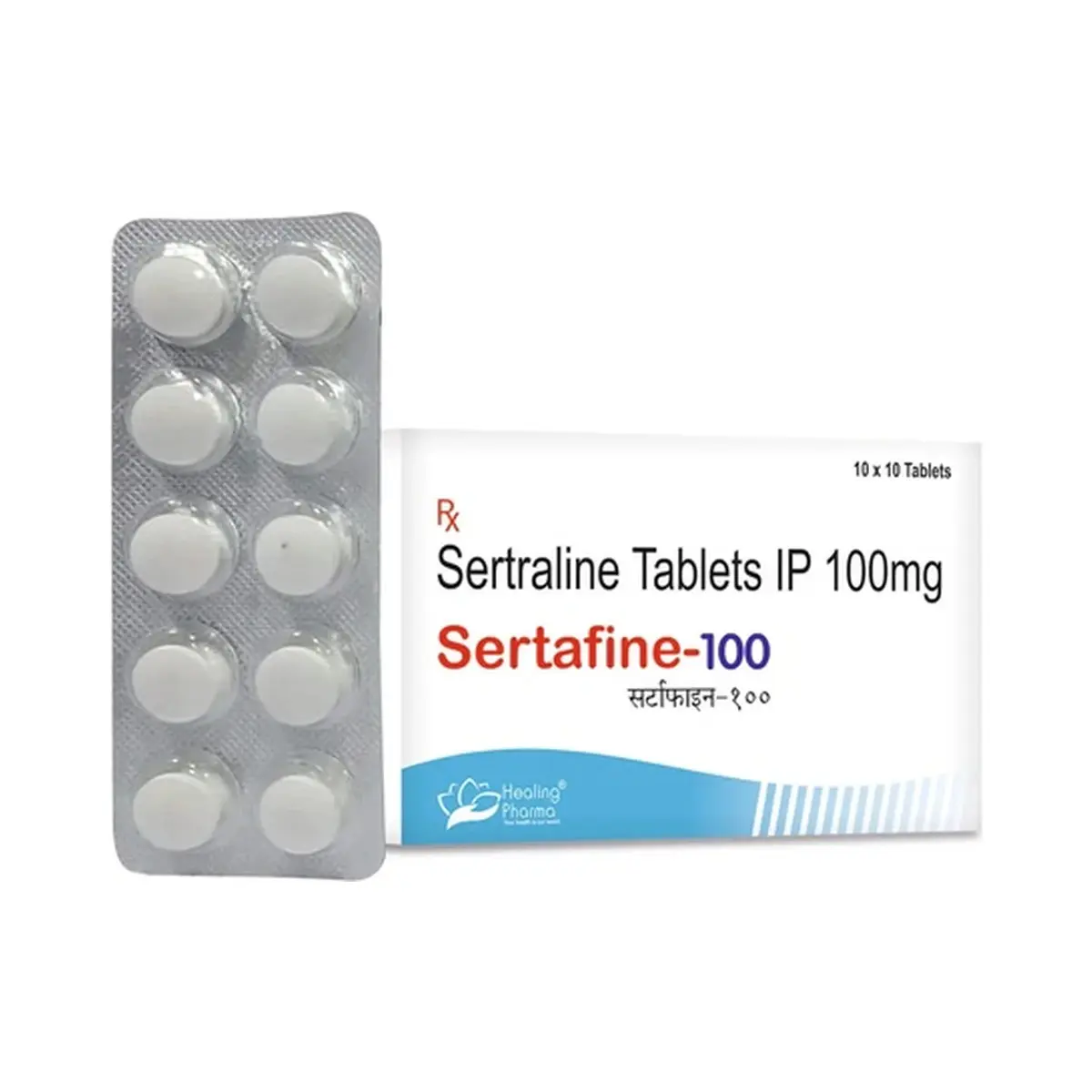
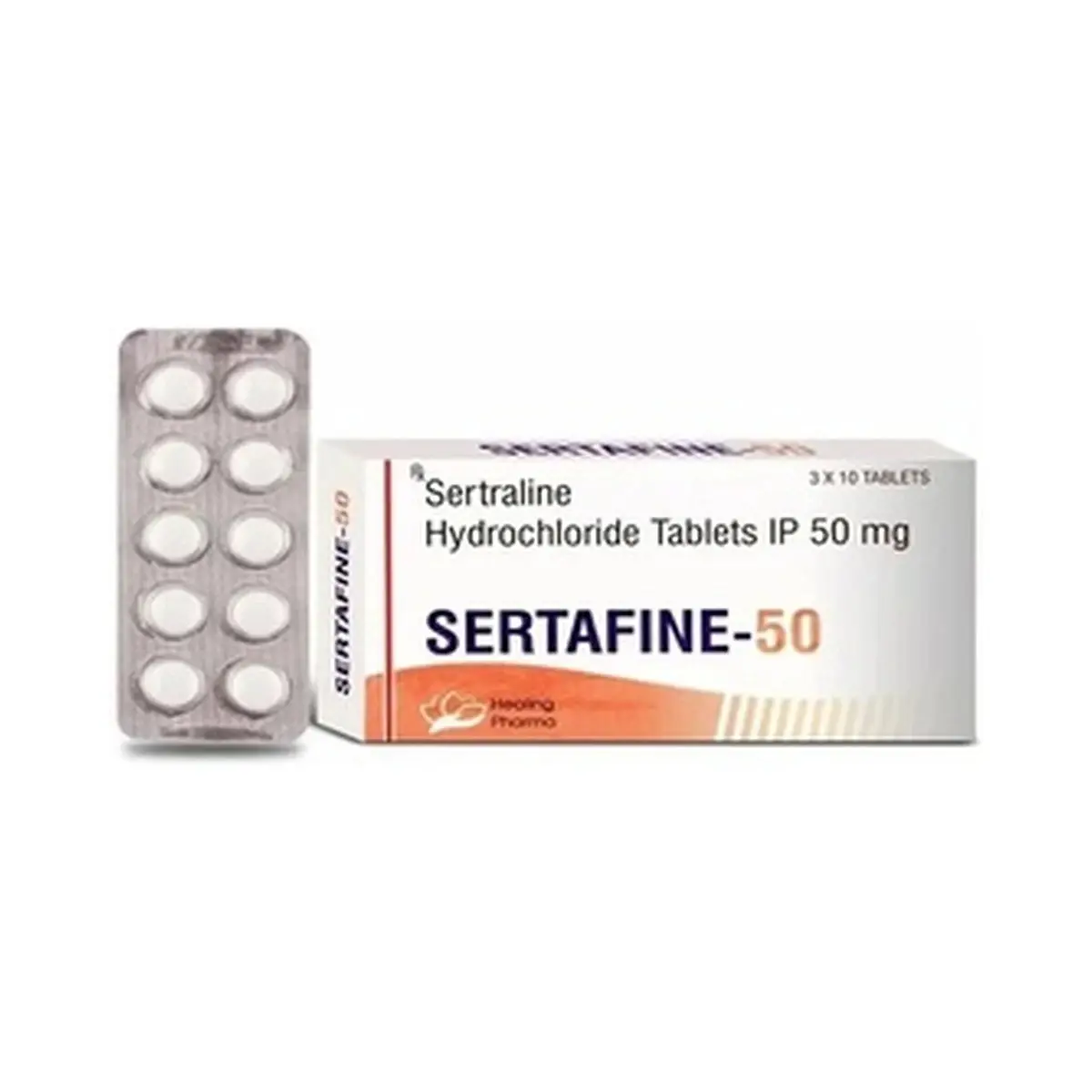
Sertafine (Sertraline) 50 mg
Sertafine 50 mg is a sertraline-containing oral tablet. Sertraline is a selective serotonin reuptake inhibitor (SSRI) antidepressant used in established psychiatric indications. The product name “Sertafine” could not be independently verified as a separate brand source here, so this summary is based on the verified active ingredient, sertraline.
Active Ingredient and Medicine Class
Active ingredient: sertraline hydrochloride, equivalent to 50 mg sertraline per tablet. Sertraline belongs to the SSRI class of medicines.
Established Medical Uses
Official prescribing information lists sertraline for major depressive episodes and prevention of recurrence, panic disorder, obsessive compulsive disorder, social anxiety disorder, and post-traumatic stress disorder. UK product information also includes use in paediatric patients aged 6 to 17 years for obsessive compulsive disorder.
How It Works
Sertraline increases the availability of serotonin in the brain by inhibiting its reuptake into nerve cells. This pharmacological action is thought to help reduce symptoms of depression and several anxiety-related disorders.
Important Safety Information
Sertraline should not be used with monoamine oxidase inhibitors, including linezolid or intravenous methylene blue, and treatment timing around these medicines must be managed carefully because of serotonin syndrome risk. It is also contraindicated in patients with known hypersensitivity to sertraline and in those taking pimozide. Regulatory labeling warns about serotonin syndrome with other serotonergic medicines, bleeding risk when combined with drugs affecting platelet function or anticoagulants, and the need for caution in patients with seizure disorders, bipolar disorder, liver impairment, or a history of angle-closure glaucoma.
Possible Side Effects
Common adverse effects include nausea, diarrhoea, dry mouth, insomnia, dizziness, fatigue, sweating, tremor, and sexual dysfunction. Important serious reactions include serotonin syndrome, abnormal bleeding, hyponatraemia, manic activation, seizures, and allergic reactions.
Scientific Evidence
Randomised controlled trials have shown sertraline to be effective for major depression versus placebo, with 50 mg once daily performing comparably to higher studied doses in one fixed-dose trial. A more recent pragmatic trial in primary care found no clinically meaningful benefit for depressive symptoms at 6 weeks, although some secondary anxiety-related outcomes improved. Together, these studies support antidepressant activity while showing that individual response can vary.
Medical Information Notice
This page is an educational summary based on sources available at the time of review and does not replace the official patient leaflet, prescribing information, or individual assessment by a qualified healthcare professional.
Medical Sources
- Medicines.org.uk (emc): Sertraline 50 mg Film-Coated Tablets – Summary of Product Characteristics (SmPC)
- DailyMed: Sertraline tablets, for oral use – prescribing information
- Stahl SM et al. “Sertraline safety and efficacy in major depression: a double-blind fixed-dose comparison with placebo.” Biological Psychiatry (1996). PubMed
- Lewis G et al. “The clinical effectiveness of sertraline in primary care and the role of depression severity and duration (PANDA): a pragmatic, double-blind, placebo-controlled randomised trial.” The Lancet Psychiatry (2019). PubMed