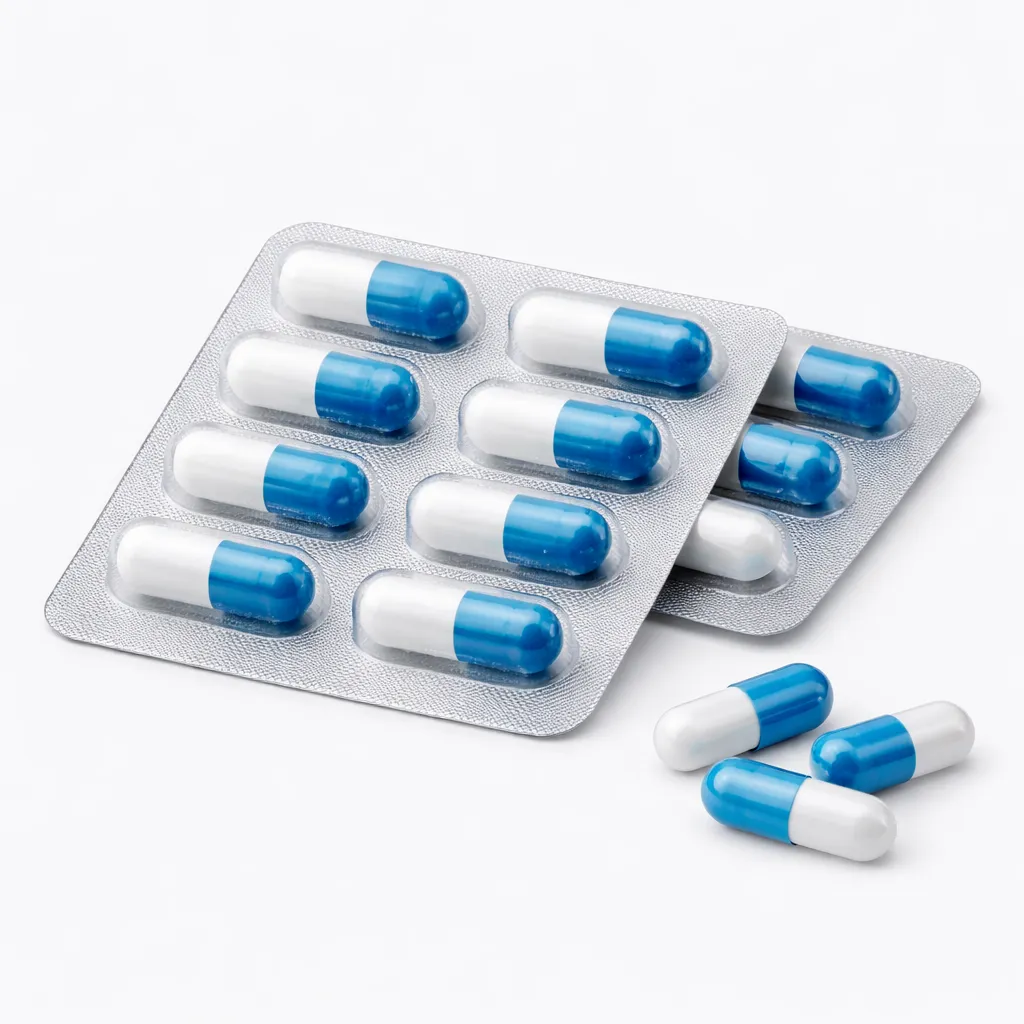
Description
SHALLAKI TAB
Indications
Shallaki Tab, derived from the resin of the Boswellia serrata tree, is traditionally used in Ayurvedic medicine for its anti-inflammatory and analgesic properties. It is primarily indicated for conditions such as osteoarthritis, rheumatoid arthritis, and other inflammatory joint disorders. Additionally, it may be beneficial in managing respiratory conditions, digestive issues, and skin disorders due to its anti-inflammatory and immune-modulating effects.
Mechanism of Action
The therapeutic benefits of Shallaki Tab are largely attributed to its active compounds, particularly boswellic acids. These compounds inhibit the synthesis of pro-inflammatory mediators such as leukotrienes and cytokines, which play a significant role in the inflammatory process. By blocking these pathways, Shallaki Tab helps to reduce inflammation and alleviate pain associated with various conditions. Furthermore, boswellic acids have been shown to enhance blood circulation to the joints, promoting healing and reducing stiffness.
Pharmacological Properties
Shallaki Tab exhibits several pharmacological properties that contribute to its therapeutic efficacy. Its anti-inflammatory properties make it effective in reducing swelling and pain in conditions like arthritis. The analgesic effects help in pain relief, enhancing the quality of life for individuals suffering from chronic pain. Additionally, Shallaki Tab has antioxidant properties, which protect cells from oxidative stress and may contribute to overall health improvement. Studies have also suggested that it may possess antimicrobial properties, which can aid in preventing infections.
Contraindications
Shallaki Tab should be used with caution in individuals with known hypersensitivity to Boswellia serrata or any of its components. It is contraindicated in patients with severe liver or kidney dysfunction, as the metabolism and excretion of the active compounds may be affected. Pregnant and breastfeeding women should also avoid using this product unless directed by a healthcare professional, as the effects on fetal development and lactation have not been thoroughly studied.
Side Effects
While Shallaki Tab is generally well-tolerated, some individuals may experience side effects. Common side effects include gastrointestinal disturbances such as nausea, diarrhea, and abdominal pain. Allergic reactions, although rare, may occur and can manifest as skin rashes or itching. In some cases, individuals may experience headaches or dizziness. It is advisable to discontinue use and consult a healthcare professional if any severe or persistent side effects occur.
Dosage and Administration
The recommended dosage of Shallaki Tab may vary based on the individual’s health condition and the severity of symptoms. Typically, adults may take 1-2 tablets two to three times daily, preferably with meals to enhance absorption and reduce gastrointestinal discomfort. It is important to follow the dosage instructions provided by a healthcare professional or as indicated on the product label. For optimal results, Shallaki Tab should be used as part of a comprehensive treatment plan that includes lifestyle modifications and dietary considerations.
Interactions
Shallaki Tab may interact with certain medications, particularly those that affect liver enzymes involved in drug metabolism. It is important to consult with a healthcare professional before starting Shallaki Tab, especially for individuals taking anticoagulants, anti-inflammatory drugs, or other supplements. The combined use of Shallaki Tab with these medications may enhance the risk of bleeding or alter the effectiveness of the treatments. Monitoring for potential interactions is crucial to ensure safe and effective use.
Precautions
Before using Shallaki Tab, individuals should disclose their complete medical history to their healthcare provider, including any existing health conditions and medications currently being taken. Caution is advised in patients with a history of gastrointestinal disorders, as the resin may exacerbate symptoms in susceptible individuals. Regular monitoring is recommended for those with chronic health conditions to assess the effectiveness and any potential side effects of the treatment.
Clinical Studies
Several clinical studies have investigated the efficacy of Shallaki Tab in managing inflammatory conditions. A randomized controlled trial published in the Journal of Rheumatology demonstrated that Boswellia serrata extract significantly reduced pain and improved physical function in patients with osteoarthritis compared to a placebo group (DOI: 10.3899/jrheum.140123). Another study published in Phytotherapy Research indicated that Boswellia serrata has a favorable safety profile and can be an effective adjunct therapy for rheumatoid arthritis (DOI: 10.1002/ptr.6004). These studies support the traditional use of Shallaki Tab in managing inflammatory conditions and highlight its potential benefits in clinical practice.
Conclusion
Shallaki Tab is a valuable herbal supplement with a long history of use in Ayurvedic medicine. Its anti-inflammatory, analgesic, and antioxidant properties make it a promising option for individuals suffering from various inflammatory conditions, particularly arthritis. While generally safe, it is essential to use Shallaki Tab under the guidance of a healthcare professional to ensure appropriate dosing and to monitor for potential interactions and side effects. As research continues to support its efficacy, Shallaki Tab may serve as an integral part of a holistic approach to managing chronic inflammatory conditions.
Important
It is crucial to use Shallaki Tab responsibly and in consultation with a healthcare professional. Always adhere to recommended dosages and be aware of potential interactions with other medications. Prioritize your health and well-being by making informed decisions regarding supplement use.