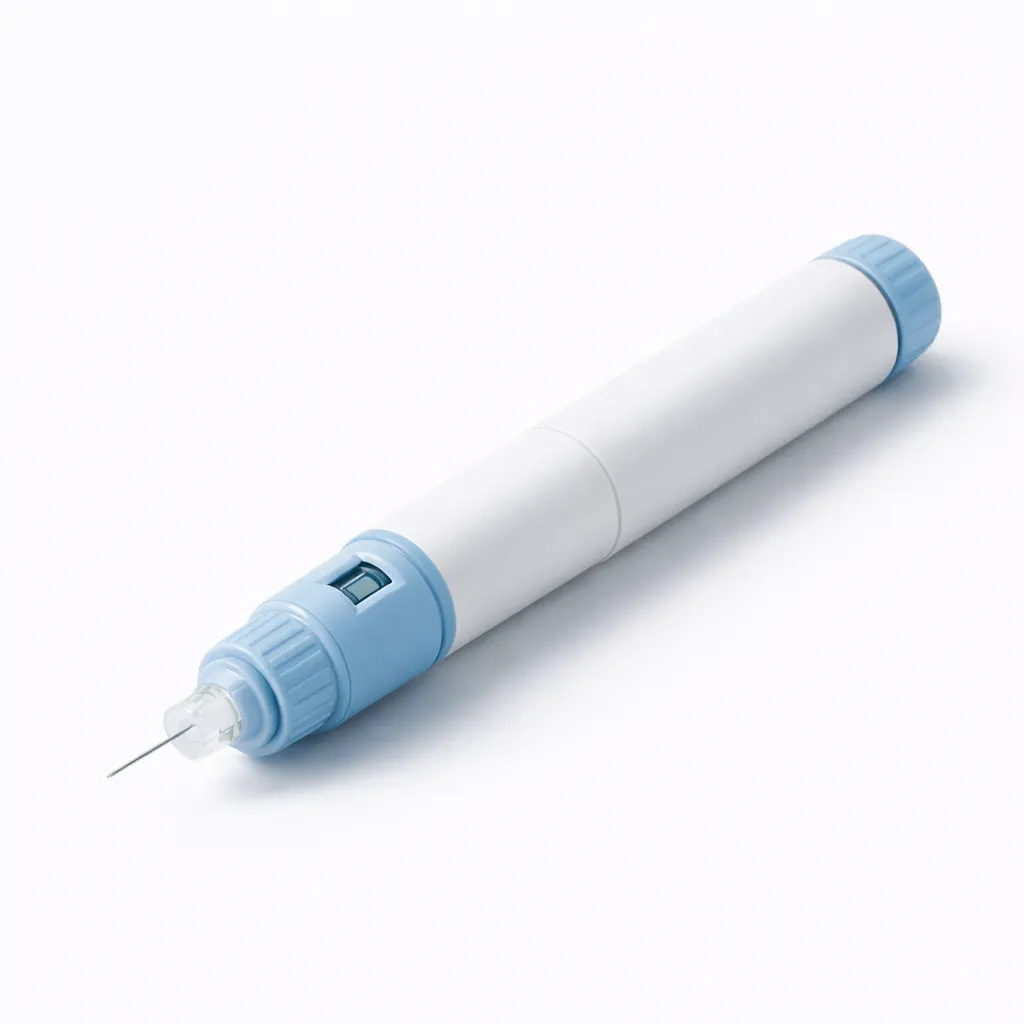
Description
SITASMART M 50/1000 MG
Indications
SITASMART M 50/1000 MG is a combination medication primarily indicated for the management of type 2 diabetes mellitus in adults. It is designed to improve glycemic control in conjunction with diet and exercise. The formulation combines two active ingredients that work synergistically to enhance insulin sensitivity and reduce blood glucose levels. This medication is particularly beneficial for patients who have not achieved adequate glycemic control with monotherapy.
Mechanism of Action
SITASMART M contains two active components: Sitagliptin and Metformin. Sitagliptin is a Dipeptidyl Peptidase-4 (DPP-4) inhibitor that works by increasing the levels of incretin hormones. These hormones help regulate glucose metabolism by stimulating insulin release from the pancreas in response to meals and inhibiting glucagon secretion, which in turn reduces hepatic glucose production.
Metformin, on the other hand, primarily acts by decreasing hepatic glucose production and improving insulin sensitivity in peripheral tissues, particularly muscle and fat. This dual action of SITASMART M helps to lower blood sugar levels effectively and provides a comprehensive approach to managing type 2 diabetes.
Pharmacological Properties
The pharmacokinetics of SITASMART M are characterized by the individual properties of its components. Sitagliptin is rapidly absorbed after oral administration, with peak plasma concentrations occurring within 1-4 hours. It has a half-life of approximately 12.4 hours, allowing for once-daily dosing. Sitagliptin is primarily excreted unchanged in the urine, and its pharmacological effects are sustained due to its DPP-4 inhibition.
Metformin has a longer half-life of about 6.2 hours, with peak plasma concentrations reached within 2-3 hours post-administration. It is also excreted unchanged in the urine. Metformin’s action is dose-dependent, and its efficacy is enhanced with prolonged use, making it a cornerstone in diabetes management.
Contraindications
SITASMART M is contraindicated in several conditions, including:
- Severe renal impairment (eGFR < 30 mL/min)
- Acute or chronic metabolic acidosis, including diabetic ketoacidosis
- Hypersensitivity to Sitagliptin, Metformin, or any of the excipients in the formulation
- Severe hepatic impairment
Patients with a history of pancreatitis should also use this medication cautiously, as there have been reports of acute pancreatitis associated with DPP-4 inhibitors.
Side Effects
Common side effects associated with SITASMART M include:
- Nausea
- Diarrhea
- Abdominal pain
- Headache
- Upper respiratory tract infections
Serious side effects may include lactic acidosis, a rare but potentially life-threatening condition associated with Metformin. Symptoms of lactic acidosis include muscle pain, difficulty breathing, abdominal discomfort, and unusual fatigue. Patients should be advised to seek immediate medical attention if they experience these symptoms.
Dosage and Administration
The recommended starting dose of SITASMART M is typically one tablet taken orally once daily, with or without food. The dosage may be adjusted based on the patient’s glycemic control and tolerance, but the maximum recommended dose should not exceed the prescribed limits of Sitagliptin and Metformin.
It is essential for patients to adhere to their prescribed dosage and to consult their healthcare provider before making any changes to their medication regimen. Regular monitoring of blood glucose levels is also recommended to assess the effectiveness of the treatment.
Interactions
SITASMART M may interact with other medications, which can affect its efficacy or increase the risk of adverse effects. Notable interactions include:
- Other antidiabetic agents, which may increase the risk of hypoglycemia
- Diuretics, corticosteroids, and other medications that may affect renal function
- Alcohol, which can increase the risk of lactic acidosis when taking Metformin
Patients should inform their healthcare provider of all medications they are currently taking, including over-the-counter drugs and supplements, to avoid potential interactions.
Precautions
Before initiating treatment with SITASMART M, healthcare providers should conduct a thorough assessment of the patient’s medical history, including renal and hepatic function. Regular monitoring of renal function is essential, particularly in patients with pre-existing conditions that may affect renal clearance.
Patients should be advised to maintain a balanced diet and engage in regular physical activity as part of their diabetes management plan. It is also crucial to educate patients about the signs and symptoms of hypoglycemia and lactic acidosis, as prompt recognition and treatment are vital for patient safety.
Clinical Studies
Clinical studies have demonstrated the efficacy and safety of SITASMART M in managing type 2 diabetes. In randomized controlled trials, patients receiving SITASMART M showed significant reductions in HbA1c levels compared to those receiving placebo or monotherapy. The combination therapy was well-tolerated, with a side effect profile consistent with that of its individual components.
Furthermore, long-term studies indicated that SITASMART M not only helps in glycemic control but also aids in weight management, making it a suitable option for overweight patients with type 2 diabetes. These findings support the use of SITASMART M as an effective treatment option in the comprehensive management of diabetes.
Conclusion
SITASMART M 50/1000 MG is a valuable therapeutic option for adults with type 2 diabetes, providing a dual mechanism of action that effectively lowers blood glucose levels. With its favorable safety profile and proven efficacy in clinical studies, it represents a significant advancement in diabetes management. Patients should be encouraged to work closely with their healthcare providers to optimize their treatment plan and achieve their glycemic targets.
Important
It is essential to use SITASMART M responsibly and under the guidance of a healthcare professional. Adhering to prescribed dosages and monitoring for side effects can help ensure safe and effective treatment.