
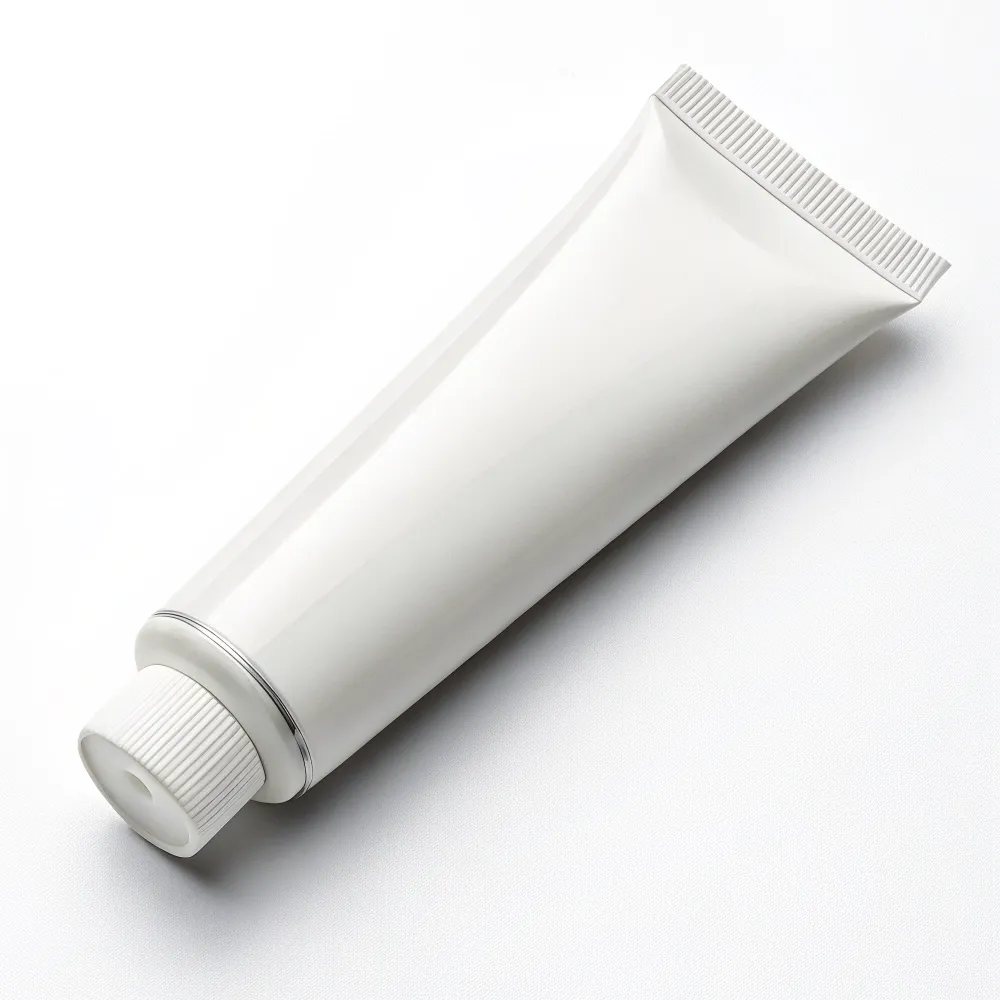
Description
SKINDID CREAM 15GM
Indications
Skindid Cream 15GM is primarily indicated for the treatment of various dermatological conditions, including but not limited to eczema, psoriasis, dermatitis, and other inflammatory skin disorders. It is formulated to alleviate symptoms such as redness, itching, and inflammation associated with these conditions. Additionally, Skindid Cream may be used for the management of localized skin infections and to promote healing in minor cuts and abrasions.
Mechanism of Action
The active ingredients in Skindid Cream work synergistically to reduce inflammation and promote skin healing. The cream typically contains corticosteroids, which exert their effects by inhibiting the release of inflammatory mediators such as cytokines and prostaglandins. This action leads to a reduction in the inflammatory response, thereby alleviating symptoms associated with skin conditions. Furthermore, the moisturizing agents in the cream help to restore the skin barrier, enhancing hydration and preventing further irritation.
Pharmacological Properties
Skindid Cream is characterized by its anti-inflammatory, antipruritic, and emollient properties. The pharmacokinetics of the active ingredients suggest that they are absorbed through the skin, allowing for localized action with minimal systemic absorption. This localized effect minimizes potential side effects while maximizing therapeutic benefits. The cream is typically non-comedogenic, making it suitable for various skin types, including sensitive skin.
Contraindications
Skindid Cream should not be used in individuals with a known hypersensitivity to any of its components. It is contraindicated in patients with viral infections of the skin, such as herpes simplex or varicella, as well as in cases of fungal or bacterial infections unless these infections are being treated concurrently. Additionally, the cream should not be applied to open wounds or broken skin, as this may increase the risk of systemic absorption and adverse effects.
Side Effects
While Skindid Cream is generally well-tolerated, some patients may experience side effects. Common side effects include localized burning, itching, or irritation at the site of application. Prolonged use of corticosteroids may lead to skin thinning, striae, or telangiectasia. In rare cases, systemic side effects may occur, particularly if the cream is used over large areas of the body or under occlusive dressings. Patients should be advised to discontinue use and consult a healthcare professional if they experience severe or persistent side effects.
Dosage and Administration
Skindid Cream is intended for topical use only. The recommended dosage is to apply a thin layer of the cream to the affected area two to three times daily, or as directed by a healthcare provider. It is important to gently massage the cream into the skin until it is fully absorbed. Patients should avoid occlusive dressings unless specifically instructed by a healthcare professional, as this can increase the risk of systemic absorption and side effects. The duration of treatment should be determined by the severity of the condition and the response to therapy.
Interactions
Skindid Cream may interact with other topical medications, particularly those that also contain corticosteroids or other anti-inflammatory agents. Concurrent use of multiple topical agents can increase the risk of localized side effects. Patients should inform their healthcare provider of all medications they are currently using, including over-the-counter products and herbal supplements, to avoid potential interactions. Systemic interactions are unlikely due to the localized application of the cream.
Precautions
Patients using Skindid Cream should be advised to follow the prescribed dosage and duration of treatment to minimize the risk of side effects. Caution should be exercised in patients with a history of skin atrophy or those who are using other topical corticosteroids. Special consideration should be given to pediatric patients, as their skin may be more susceptible to the effects of topical corticosteroids. Pregnant or breastfeeding women should consult their healthcare provider before using Skindid Cream to ensure its safety for both the mother and the child.
Clinical Studies
Clinical studies evaluating the efficacy and safety of Skindid Cream have demonstrated its effectiveness in reducing the symptoms of inflammatory skin conditions. In randomized controlled trials, patients treated with Skindid Cream showed significant improvement in symptoms such as erythema, pruritus, and scaling compared to placebo. The safety profile of the cream was found to be favorable, with most side effects being mild and transient. Long-term studies have also indicated that when used appropriately, Skindid Cream does not lead to significant skin atrophy or systemic effects, making it a viable option for chronic dermatological conditions.
Conclusion
Skindid Cream 15GM is a valuable therapeutic option for the management of various inflammatory skin conditions. Its anti-inflammatory and emollient properties make it effective in alleviating symptoms such as redness, itching, and irritation. While generally well-tolerated, it is essential for patients to use the cream as directed and to be aware of potential side effects and contraindications. Ongoing communication with healthcare providers is crucial for optimizing treatment outcomes and ensuring the safe use of this topical medication.
Important
It is essential to use Skindid Cream responsibly and as directed by a healthcare professional. Misuse or overuse of topical medications can lead to adverse effects and complications. Always consult with a healthcare provider for personalized advice and treatment options.
