Description
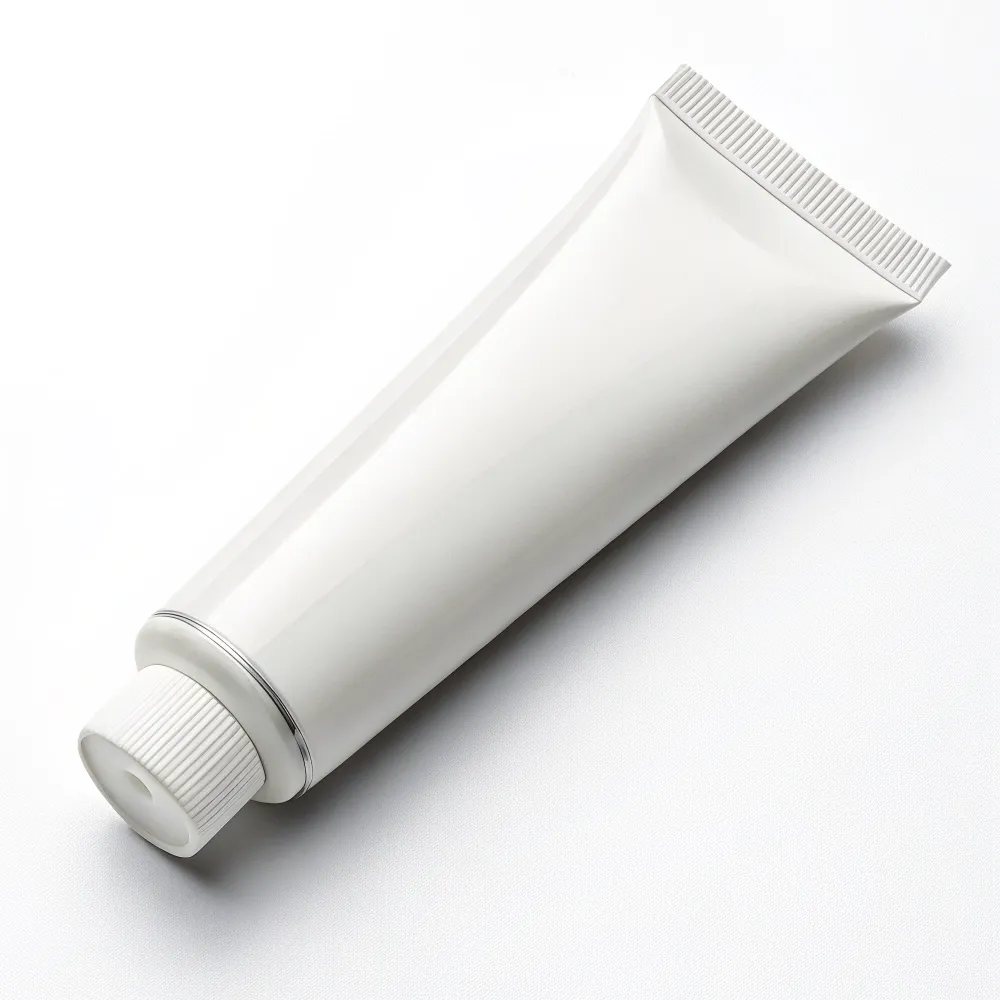
SUPIROCIN CREAM 10GM
Indications
Supirocin Cream 10gm is primarily indicated for the topical treatment of localized skin infections caused by susceptible strains of bacteria. It is particularly effective in treating conditions such as impetigo, folliculitis, and infected wounds. The active ingredient, mupirocin, is effective against a variety of Gram-positive bacteria, including Staphylococcus aureus and Streptococcus pyogenes. This cream is often prescribed for patients who have superficial skin infections or those who are at risk of developing infections in minor cuts and abrasions.
Mechanism of Action
The active component of Supirocin Cream, mupirocin, exerts its antibacterial effects by inhibiting bacterial protein synthesis. It does this by binding to bacterial isoleucyl-tRNA synthetase, an enzyme critical for the incorporation of isoleucine into proteins. This inhibition disrupts the normal function of bacterial cells, leading to cell death. Mupirocin is particularly effective against Gram-positive bacteria and some Gram-negative bacteria, making it a valuable option in the management of skin infections.
Pharmacological Properties
Mupirocin is a naturally occurring antibiotic derived from the fermentation of the bacterium Pseudomonas fluorescens. It is rapidly absorbed through the skin, although systemic absorption is minimal when applied topically. The cream formulation allows for easy application and effective penetration into the epidermal layers. Mupirocin is metabolized in the body, primarily in the liver, and is excreted in the urine. The drug has a relatively short half-life, necessitating multiple applications throughout the day for optimal effectiveness.
Contraindications
Supirocin Cream should not be used in individuals who have a known hypersensitivity to mupirocin or any of the other ingredients in the formulation. It is also contraindicated in patients with a history of severe allergic reactions to topical antibiotics. Additionally, the cream should not be applied to large areas of damaged skin or open wounds, as this may increase the risk of systemic absorption and potential side effects.
Side Effects
While Supirocin Cream is generally well-tolerated, some patients may experience side effects. Common adverse reactions include localized burning, stinging, or itching at the site of application. In rare cases, allergic reactions such as rash, urticaria, or angioedema may occur. If any severe side effects or signs of an allergic reaction develop, patients should discontinue use and seek medical attention. It is important to monitor for any unusual symptoms during treatment.
Dosage and Administration
The recommended dosage for Supirocin Cream is to apply a thin layer to the affected area three times daily. The cream should be gently massaged into the skin until it is fully absorbed. Treatment should continue for a duration of 7 to 14 days, depending on the severity of the infection and the clinical response. Patients are advised to wash their hands thoroughly before and after application to prevent the spread of infection. It is important not to exceed the recommended dosage or duration of treatment without consulting a healthcare provider.
Interactions
Currently, there are no known significant drug interactions with mupirocin when used topically. However, caution should be exercised when using other topical medications simultaneously, as they may affect the absorption or efficacy of Supirocin Cream. Patients should inform their healthcare provider about all medications they are currently taking, including over-the-counter products and herbal supplements, to avoid potential interactions.
Precautions
Before using Supirocin Cream, patients should inform their healthcare provider of any pre-existing medical conditions, particularly those affecting the skin or immune system. The cream should be used with caution in individuals with a history of atopic dermatitis or other chronic skin conditions. It is also important to avoid contact with the eyes, nose, and mouth, as mupirocin can cause irritation in these areas. Pregnant or breastfeeding women should consult their healthcare provider before using this product to ensure it is safe for their specific situation.
Clinical Studies
Several clinical studies have evaluated the efficacy and safety of mupirocin in treating skin infections. In a randomized controlled trial, mupirocin demonstrated significant improvement in clinical symptoms and microbiological clearance compared to placebo in patients with impetigo. Another study highlighted its effectiveness in treating infected skin lesions, showing a high rate of resolution without significant adverse effects. These studies support the use of Supirocin Cream as a reliable option for managing localized bacterial skin infections.
Conclusion
Supirocin Cream 10gm is an effective topical antibiotic for the treatment of localized bacterial skin infections. With its unique mechanism of action and favorable safety profile, it is a valuable addition to the therapeutic options available for managing skin infections. Patients should adhere to the prescribed dosage and administration guidelines to ensure optimal outcomes. As with any medication, it is essential to discuss any concerns or pre-existing conditions with a healthcare provider prior to use.
Important
It is crucial to use Supirocin Cream responsibly and only as directed by a healthcare professional. Misuse or overuse of topical antibiotics can lead to antibiotic resistance and reduced effectiveness. Always consult with a healthcare provider for guidance tailored to your individual health needs.