Description
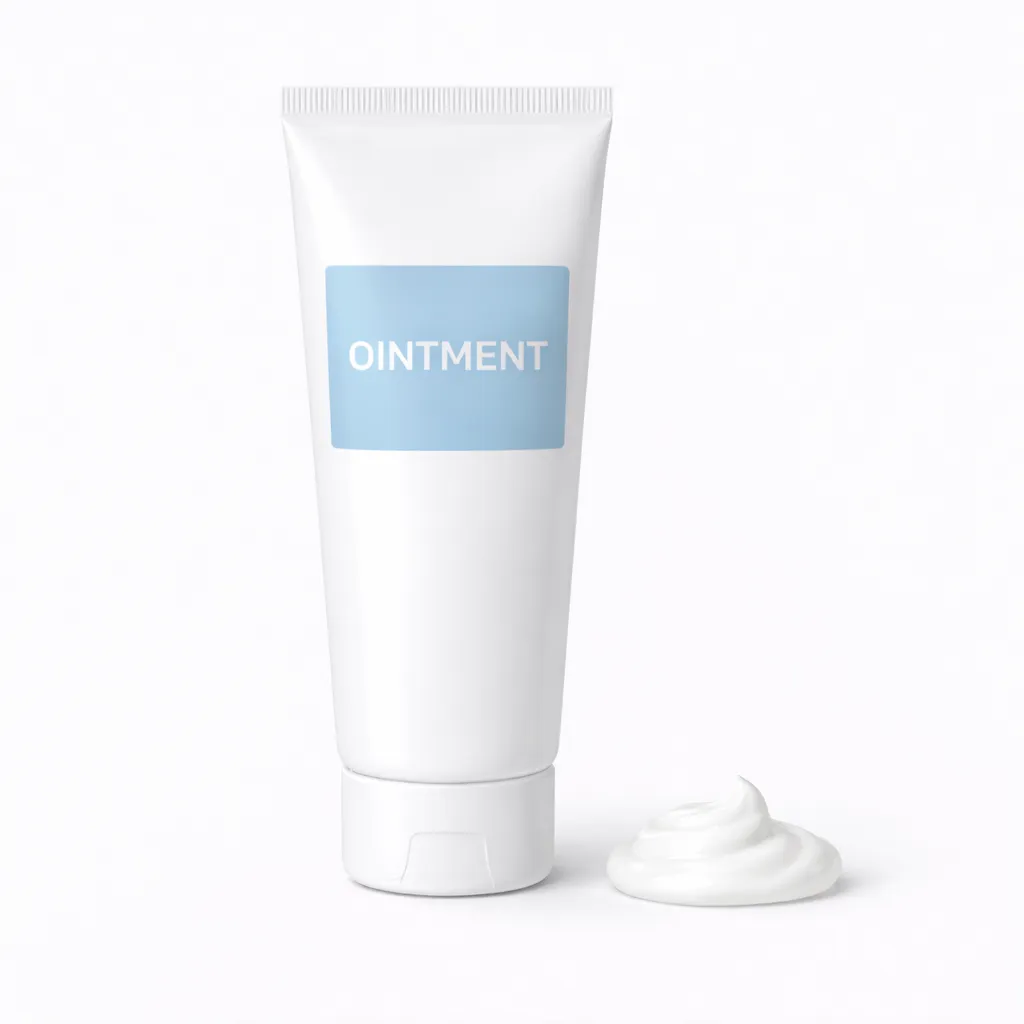
TACROZ 0.03% OINTMENT 20GM
Indications
TACROZ 0.03% OINTMENT is primarily indicated for the treatment of moderate to severe atopic dermatitis (eczema) in patients aged 2 years and older. It is particularly useful for patients who have not responded adequately to conventional therapies, such as topical corticosteroids. The ointment is designed to alleviate the symptoms associated with atopic dermatitis, including itching, redness, and inflammation of the skin. Additionally, TACROZ may be prescribed for other inflammatory skin conditions as determined by a healthcare professional.
Mechanism of Action
The active ingredient in TACROZ 0.03% OINTMENT is tacrolimus, a potent immunosuppressive agent. Tacrolimus works by inhibiting the activation of T-lymphocytes and the release of pro-inflammatory cytokines, thereby reducing the inflammatory response in the skin. This mechanism helps to alleviate the symptoms of atopic dermatitis by decreasing the immune response that leads to skin inflammation and irritation. Unlike topical corticosteroids, tacrolimus does not cause skin atrophy, making it a valuable alternative for long-term management of chronic skin conditions.
Pharmacological Properties
Tacrolimus is a macrolide lactone that exhibits immunomodulatory properties. When applied topically, it penetrates the skin and binds to specific intracellular receptors, leading to a decrease in the production of inflammatory mediators. The pharmacokinetics of tacrolimus in topical formulations indicate minimal systemic absorption, which reduces the risk of systemic side effects commonly associated with oral immunosuppressants. The ointment formulation provides a protective barrier that enhances skin hydration and promotes healing.
Contraindications
TACROZ 0.03% OINTMENT is contraindicated in individuals with a known hypersensitivity to tacrolimus or any of the excipients in the formulation. It should not be used in patients with viral skin infections, such as herpes simplex or varicella, as well as in those with skin malignancies or conditions that compromise the skin barrier. Caution is advised when prescribing this medication to patients with a history of skin cancer or those with weakened immune systems.
Side Effects
Common side effects associated with the use of TACROZ 0.03% OINTMENT include local reactions such as burning, itching, and erythema at the application site. These symptoms are typically mild and transient. In rare cases, patients may experience more severe reactions, including skin infections or allergic contact dermatitis. It is essential for patients to report any unusual or severe side effects to their healthcare provider promptly. Long-term safety data indicate that the risk of systemic side effects is low when the ointment is used as directed.
Dosage and Administration
The recommended dosage of TACROZ 0.03% OINTMENT is to apply a thin layer to the affected areas of the skin twice daily, or as directed by a healthcare professional. The ointment should be gently rubbed into the skin until it is fully absorbed. Patients are advised to wash their hands after application, unless the hands are the treated area. It is crucial to avoid occlusive dressings unless instructed by a healthcare provider. Treatment duration may vary based on the severity of the condition and the patient’s response to therapy.
Interactions
TACROZ 0.03% OINTMENT has a low potential for drug interactions due to its topical application and minimal systemic absorption. However, patients should inform their healthcare provider of all medications they are taking, including over-the-counter products and herbal supplements. Caution is advised when using other topical agents on the same area of skin, as this may alter the efficacy of tacrolimus or increase the risk of irritation. It is also recommended to avoid the use of ultraviolet light therapy or tanning beds during treatment.
Precautions
Before starting treatment with TACROZ 0.03% OINTMENT, patients should discuss their complete medical history with their healthcare provider. Special precautions should be taken in patients with a history of skin cancer or those with compromised immune systems. The ointment is not intended for use in children under the age of 2 years, and its safety and efficacy in this population have not been established. Patients should also be advised to avoid exposure to sunlight or artificial UV light during treatment, as tacrolimus may increase the risk of skin cancer. Regular follow-up appointments are recommended to monitor the patient’s progress and adjust treatment as necessary.
Clinical Studies
Clinical studies have demonstrated the efficacy of TACROZ 0.03% OINTMENT in reducing the signs and symptoms of atopic dermatitis. In randomized controlled trials, patients treated with tacrolimus showed significant improvement in skin condition compared to those receiving placebo. The ointment was well-tolerated, with a low incidence of adverse effects. Long-term studies have indicated that TACROZ can be safely used for extended periods, making it a suitable option for chronic skin conditions. These findings support the use of tacrolimus as a first-line treatment for moderate to severe atopic dermatitis, especially in patients who are sensitive to corticosteroids.
Conclusion
TACROZ 0.03% OINTMENT is an effective treatment option for patients suffering from moderate to severe atopic dermatitis. Its unique mechanism of action and favorable safety profile make it a valuable alternative to traditional corticosteroid therapies. Patients should be educated on the proper use of the ointment, potential side effects, and the importance of adhering to their treatment regimen. Regular consultations with healthcare providers will ensure optimal management of their skin condition and minimize the risk of complications associated with long-term use.
Important
It is essential to use TACROZ 0.03% OINTMENT responsibly and under the guidance of a healthcare professional. Patients should adhere to prescribed dosages and report any adverse effects promptly. This medication is intended for external use only and should not be ingested. Always consult with a healthcare provider for personalized medical advice.