
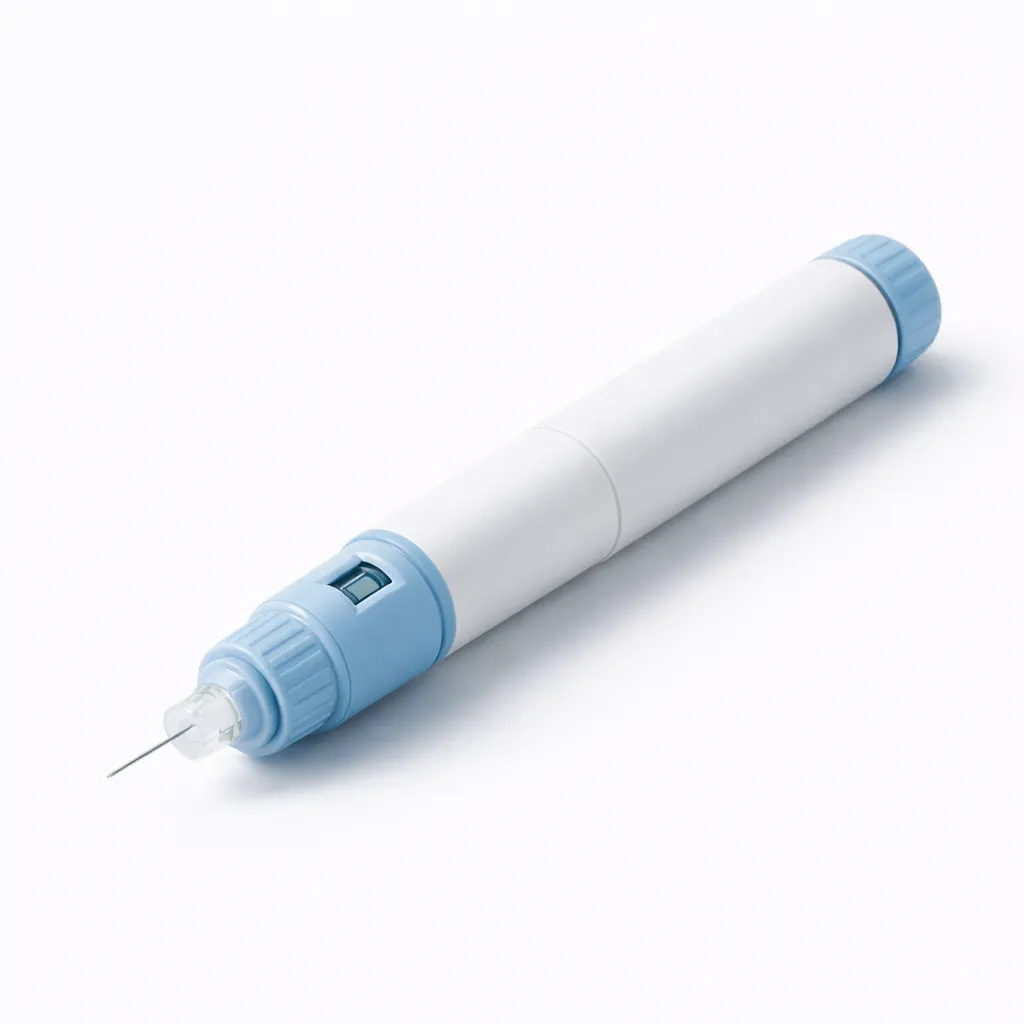
Description
TERIFRAC PEN
Indications
Terifrac Pen is primarily indicated for the treatment of osteoporosis in postmenopausal women and men at high risk of fractures. Osteoporosis is a condition characterized by weakened bones, increasing the risk of fractures. Terifrac Pen is also utilized in the management of glucocorticoid-induced osteoporosis in patients who are taking long-term corticosteroid therapy. The medication aims to reduce the incidence of vertebral and non-vertebral fractures in these populations.
Mechanism of Action
Terifrac, the active ingredient in Terifrac Pen, is a recombinant form of parathyroid hormone (PTH) that acts on bone metabolism. It stimulates osteoblast activity, which is responsible for bone formation, and increases the intestinal absorption of calcium. This dual action leads to an increase in bone mineral density (BMD) and overall bone strength. By mimicking the physiological effects of PTH, Terifrac Pen promotes bone remodeling and helps restore the balance between bone resorption and formation, ultimately reducing the risk of fractures.
Pharmacological Properties
Terifrac Pen contains teriparatide, which is a polypeptide composed of the first 34 amino acids of human PTH. It has a half-life of approximately 1 hour, which necessitates daily subcutaneous administration. The pharmacokinetics of teriparatide indicate rapid absorption following injection, with peak plasma concentrations occurring within 30 minutes. The drug is metabolized primarily in the liver and kidneys, with renal excretion playing a significant role in its clearance. Terifrac Pen has been shown to significantly increase BMD at various skeletal sites, including the lumbar spine and hip, as demonstrated in clinical studies.
Contraindications
Terifrac Pen is contraindicated in patients with a history of hypersensitivity to teriparatide or any of its components. It should not be used in individuals with hypercalcemia or severe renal impairment. Additionally, patients with metabolic bone diseases other than osteoporosis, such as Paget’s disease or osteomalacia, should avoid using this medication. Terifrac Pen is also contraindicated in pregnant or breastfeeding women due to potential risks to the fetus or infant.
Side Effects
Common side effects associated with Terifrac Pen include nausea, dizziness, leg cramps, and headache. These effects are generally mild and transient. However, more serious adverse reactions may occur, including hypercalcemia, which can lead to symptoms such as confusion, muscle weakness, and cardiac arrhythmias. Patients should be monitored for signs of hypercalcemia, especially during the initiation of therapy. Rare cases of osteosarcoma have been reported in animal studies, leading to a precautionary warning regarding the long-term use of teriparatide.
Dosage and Administration
Terifrac Pen is administered via subcutaneous injection. The recommended dosage for adults is 20 micrograms once daily. It is crucial to adhere to the prescribed dosage and administration schedule to maximize therapeutic benefits. Patients should be instructed on proper injection techniques and the importance of rotating injection sites to minimize local reactions. Treatment with Terifrac Pen is typically limited to a maximum of 24 months due to concerns regarding long-term safety. After completing therapy, patients may be transitioned to other osteoporosis treatments to maintain bone density.
Interactions
Terifrac Pen may interact with certain medications, particularly those affecting calcium levels. Concurrent use with digoxin may increase the risk of digoxin toxicity due to elevated calcium levels. Additionally, thiazide diuretics may potentiate the hypercalcemic effects of teriparatide. It is essential for healthcare providers to review a patient’s medication list to identify potential drug interactions before initiating therapy with Terifrac Pen. Patients should also be advised to inform their healthcare provider of any new medications or supplements they plan to take during treatment.
Precautions
Before starting treatment with Terifrac Pen, a thorough medical history and physical examination should be conducted. Patients with a history of bone cancer, prior radiation therapy, or those with a family history of osteosarcoma should be closely monitored. Regular assessments of calcium levels and renal function are recommended during therapy. Patients should be advised to maintain adequate calcium and vitamin D intake to support bone health. Caution is also advised in patients with a history of kidney stones, as teriparatide may increase urinary calcium excretion.
Clinical Studies
Numerous clinical studies have demonstrated the efficacy of Terifrac Pen in increasing bone mineral density and reducing fracture risk. A pivotal study published in the New England Journal of Medicine showed that treatment with teriparatide significantly reduced the risk of vertebral and non-vertebral fractures in postmenopausal women with osteoporosis. Another study demonstrated the positive effects of teriparatide on bone density in men with osteoporosis and those receiving glucocorticoid therapy. These studies underscore the importance of Terifrac Pen as a therapeutic option for patients at high risk of fractures.
Conclusion
Terifrac Pen is a valuable medication for the treatment of osteoporosis, particularly in populations at high risk for fractures. Its unique mechanism of action as a recombinant form of parathyroid hormone promotes bone formation and increases bone density. While generally well-tolerated, it is essential to consider contraindications, potential side effects, and drug interactions before initiating therapy. Regular monitoring and patient education are crucial for optimizing treatment outcomes and ensuring patient safety. Terifrac Pen represents a significant advancement in the management of osteoporosis, offering hope for improved bone health and reduced fracture risk.
Important
Responsible use of Terifrac Pen is essential for ensuring safety and efficacy. Patients should follow their healthcare provider’s instructions and report any unusual symptoms or side effects promptly. Regular follow-up appointments are necessary to monitor treatment progress and adjust therapy as needed.

