Description
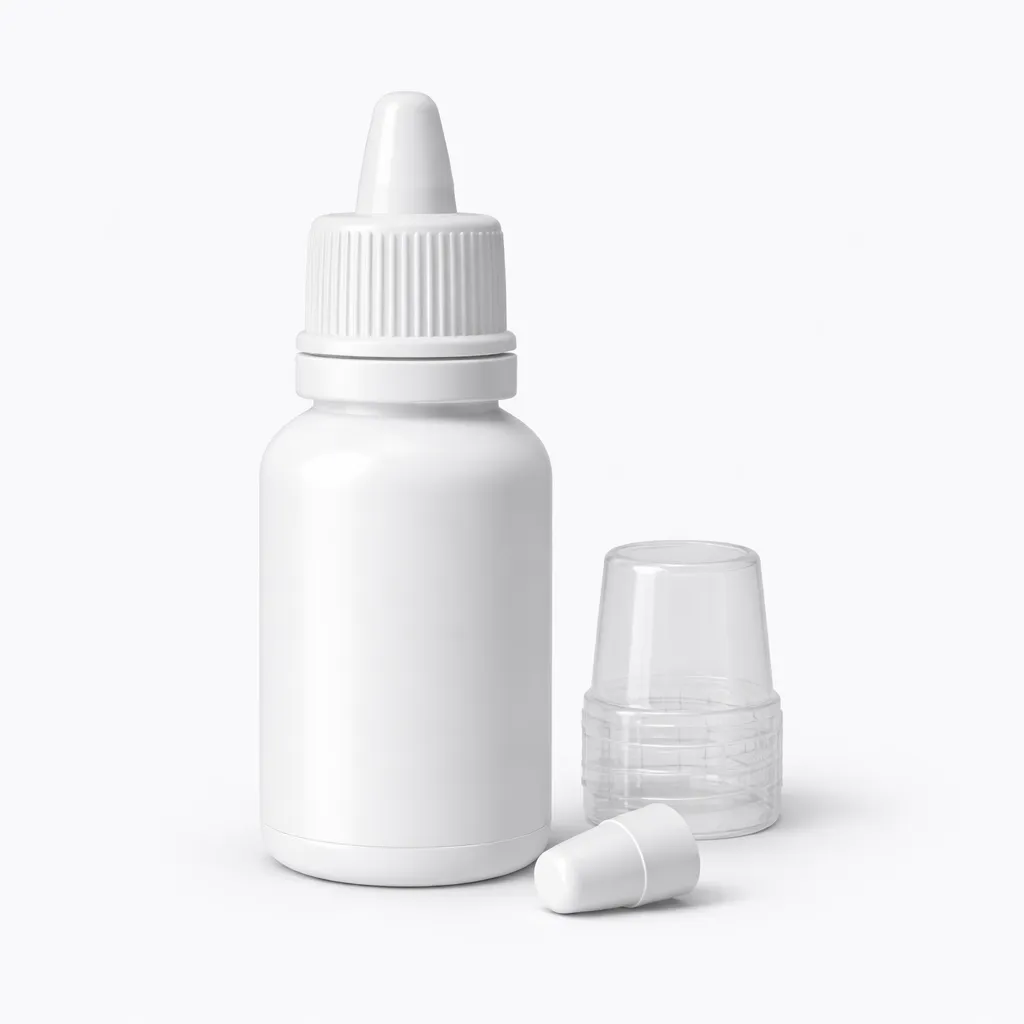
TIMOLET EYE DROP 5ML
Indications
TIMOLET EYE DROP 5ML is primarily indicated for the management of elevated intraocular pressure in patients with open-angle glaucoma and ocular hypertension. The formulation is designed to reduce intraocular pressure, thereby minimizing the risk of optic nerve damage and preserving visual function. It is often prescribed as part of a comprehensive treatment plan that may include other medications or therapies aimed at controlling intraocular pressure.
Mechanism of Action
The active ingredient in TIMOLET EYE DROP is timolol maleate, a non-selective beta-adrenergic antagonist. Timolol works by decreasing the production of aqueous humor, the fluid within the eye that maintains intraocular pressure. By inhibiting the beta-adrenergic receptors in the ciliary body, timolol effectively reduces the secretion of this fluid, leading to a decrease in intraocular pressure. This mechanism helps to manage conditions such as glaucoma and ocular hypertension, ultimately protecting the optic nerve from damage caused by elevated pressure.
Pharmacological Properties
TIMOLET EYE DROP exhibits several pharmacological properties that contribute to its effectiveness in treating elevated intraocular pressure. The onset of action typically occurs within 30 minutes of administration, with peak effects observed between 1 to 2 hours post-application. The duration of action can last up to 24 hours, allowing for once-daily dosing in many patients. The formulation is well-tolerated and has a favorable safety profile, making it a suitable option for long-term management of glaucoma and ocular hypertension.
Contraindications
TIMOLET EYE DROP is contraindicated in patients with a known hypersensitivity to timolol or any other component of the formulation. It should not be used in individuals with bronchial asthma, chronic obstructive pulmonary disease (COPD), or other significant respiratory conditions due to the potential for bronchospasm. Additionally, patients with severe bradycardia, heart block greater than first degree, or cardiogenic shock should avoid using this medication. Careful consideration should be given to patients with diabetes, as timolol may mask the symptoms of hypoglycemia.
Side Effects
While TIMOLET EYE DROP is generally well-tolerated, some patients may experience side effects. Common side effects include ocular discomfort, burning sensation upon instillation, and transient blurred vision. Systemic side effects can include fatigue, dizziness, and bradycardia. In rare cases, more serious adverse reactions such as respiratory difficulties or allergic reactions may occur. Patients should be advised to report any unusual symptoms to their healthcare provider promptly.
Dosage and Administration
The recommended dosage for TIMOLET EYE DROP is one drop in the affected eye(s) once or twice daily, as directed by a healthcare professional. It is important for patients to follow the prescribed dosing regimen to achieve optimal intraocular pressure control. To ensure proper administration, patients should be instructed on the correct technique for eye drop instillation, including hand hygiene, avoiding contact with the dropper tip, and applying gentle pressure to the inner canthus after instillation to minimize systemic absorption.
Interactions
TIMOLET EYE DROP may interact with other medications, particularly those that affect heart rate and blood pressure. Concomitant use of other topical ophthalmic agents should be spaced at least 5 minutes apart to avoid dilution and ensure maximum efficacy. Systemic beta-blockers, calcium channel blockers, and other antihypertensive medications may enhance the effects of timolol, leading to potential cardiovascular complications. Patients should inform their healthcare provider of all medications they are taking, including over-the-counter products and supplements, to avoid adverse interactions.
Precautions
Before initiating treatment with TIMOLET EYE DROP, a thorough medical history should be obtained, particularly focusing on respiratory, cardiovascular, and endocrine conditions. Patients with a history of cardiac arrhythmias or those undergoing surgery should be monitored closely during treatment. Caution is advised in elderly patients, as they may be more susceptible to the systemic effects of beta-blockers. Pregnant or breastfeeding women should consult their healthcare provider before using this medication to weigh the potential risks and benefits.
Clinical Studies
Numerous clinical studies have evaluated the efficacy and safety of TIMOLET EYE DROP in managing intraocular pressure in patients with glaucoma and ocular hypertension. A randomized controlled trial demonstrated that timolol significantly reduced intraocular pressure compared to placebo, with a favorable safety profile. Long-term studies have shown that patients can maintain effective intraocular pressure control with minimal side effects over extended periods. These findings support the use of TIMOLET EYE DROP as a first-line therapy in the management of elevated intraocular pressure.
Conclusion
TIMOLET EYE DROP 5ML is a valuable therapeutic option for patients suffering from elevated intraocular pressure due to open-angle glaucoma and ocular hypertension. Its mechanism of action, pharmacological properties, and favorable safety profile make it an effective choice for long-term management. However, careful consideration of contraindications, potential side effects, and drug interactions is essential to ensure patient safety and treatment efficacy. Patients are encouraged to maintain regular follow-up appointments to monitor intraocular pressure and adjust treatment as necessary.
Important
It is crucial to use TIMOLET EYE DROP responsibly and under the guidance of a qualified healthcare professional. Patients should adhere to prescribed dosages and report any side effects or concerns to their healthcare provider promptly.