
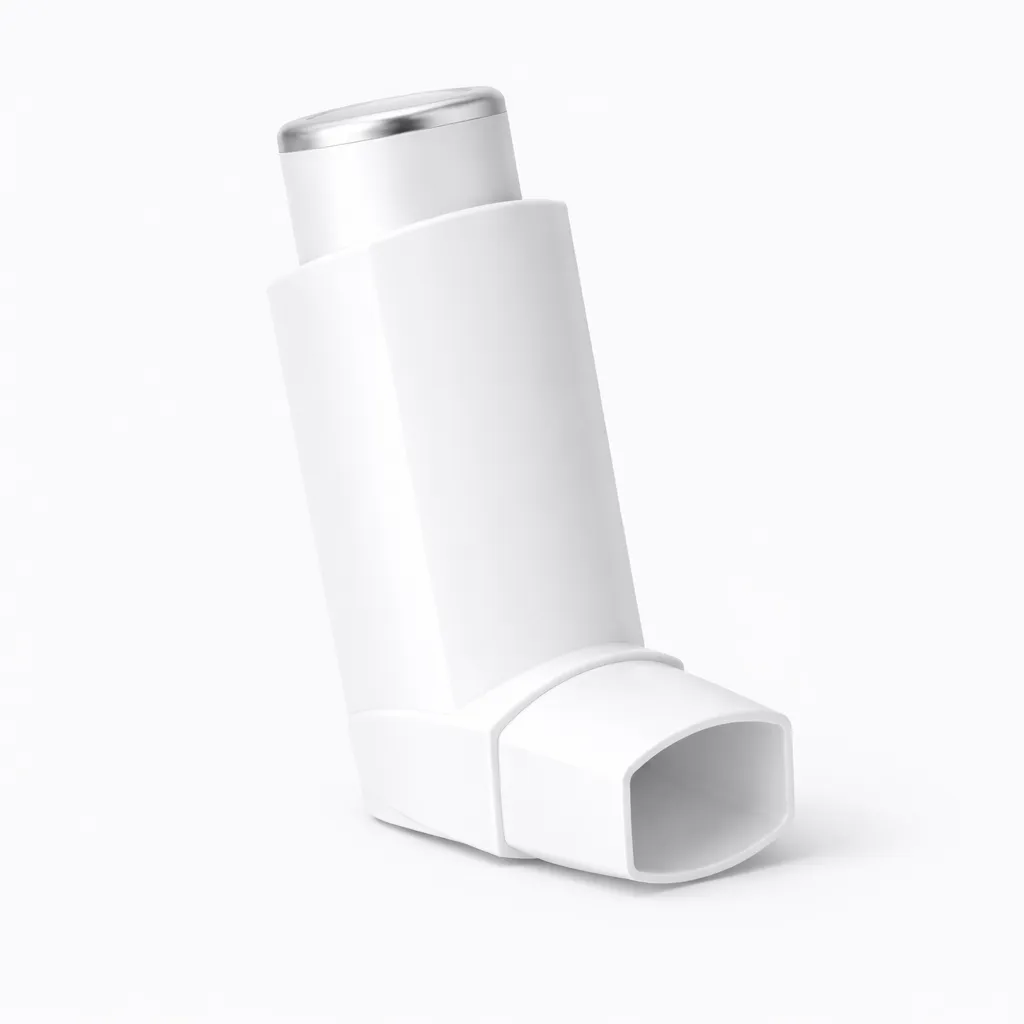
Description
TIOVA INH 9 MCG 200 MD
Indications
TIOVA INH 9 MCG 200 MD is primarily indicated for the maintenance treatment of patients with chronic obstructive pulmonary disease (COPD). It is designed to provide symptomatic relief and improve lung function in patients suffering from this progressive respiratory condition. The medication may also be utilized in certain cases of asthma, particularly in patients who are not adequately controlled with other therapies.
Mechanism of Action
TIOVA INH contains tiotropium bromide, which is a long-acting muscarinic antagonist (LAMA). It works by inhibiting the action of acetylcholine on muscarinic receptors in the bronchial smooth muscle. This inhibition leads to bronchodilation, which helps to open the airways and improve airflow in patients with obstructive airway diseases. The bronchodilator effect of tiotropium is sustained over a 24-hour period, allowing for once-daily dosing.
Pharmacological Properties
The pharmacokinetics of tiotropium demonstrate a high affinity for muscarinic receptors, particularly M1 and M3 subtypes, which are predominantly found in the lungs. Following inhalation, tiotropium exhibits a rapid onset of action, with peak plasma concentrations occurring approximately 5 to 7 minutes post-administration. The elimination half-life is approximately 25 hours, allowing for once-daily dosing. Tiotropium is primarily excreted unchanged in the urine, with minimal metabolism occurring in the liver.
Contraindications
TIOVA INH is contraindicated in patients with a known hypersensitivity to tiotropium, ipratropium, or any of the excipients in the formulation. It is also contraindicated in individuals with a history of severe allergic reactions to atropine or its derivatives. Caution should be exercised in patients with narrow-angle glaucoma, prostatic hyperplasia, or bladder neck obstruction due to the potential for exacerbation of these conditions.
Side Effects
Common side effects associated with the use of TIOVA INH include dry mouth, constipation, urinary retention, and blurred vision. Less frequently, patients may experience headaches, dizziness, or gastrointestinal disturbances. Serious adverse effects, although rare, may include hypersensitivity reactions such as angioedema, anaphylaxis, or paradoxical bronchospasm. Patients should be advised to seek immediate medical attention if they experience any severe or unusual symptoms.
Dosage and Administration
The recommended dosage for TIOVA INH is one inhalation (9 mcg) once daily, administered via a handheld inhaler. It is important for patients to use the inhaler correctly to ensure optimal delivery of the medication to the lungs. Patients should be instructed to rinse their mouth after inhalation to minimize the risk of dry mouth and other oral side effects. TIOVA INH can be used in conjunction with other COPD medications, but patients should consult their healthcare provider for specific recommendations regarding combination therapy.
Interactions
Tiotropium is not known to have significant drug interactions; however, caution should be exercised when used in conjunction with other anticholinergic medications, as the additive effects may increase the risk of side effects. Patients should inform their healthcare provider of all medications they are currently taking, including over-the-counter drugs and herbal supplements, to avoid potential interactions.
Precautions
Patients with pre-existing cardiovascular conditions, renal impairment, or those who are pregnant or breastfeeding should use TIOVA INH with caution. It is essential to monitor these patients closely for any adverse effects. Additionally, patients should be educated on the proper use of the inhaler device to ensure effective delivery of the medication. Regular follow-up appointments with a healthcare provider are recommended to assess the effectiveness of the treatment and make any necessary adjustments.
Clinical Studies
Clinical studies have demonstrated the efficacy and safety of tiotropium in patients with COPD. In a randomized controlled trial, patients receiving tiotropium showed significant improvements in lung function, measured by forced expiratory volume in one second (FEV1), compared to those receiving a placebo. Additionally, tiotropium has been shown to reduce the frequency of COPD exacerbations and improve health-related quality of life. Long-term studies have indicated that tiotropium is well-tolerated and provides sustained bronchodilation over extended periods.
Conclusion
TIOVA INH 9 MCG 200 MD is an effective and well-tolerated option for the management of chronic obstructive pulmonary disease. Its long-acting bronchodilator properties provide significant relief from symptoms and improve overall lung function. As with any medication, it is essential for patients to adhere to their prescribed treatment regimen and communicate with their healthcare provider regarding any concerns or side effects. Proper education on inhaler technique and regular follow-up care are crucial components of successful COPD management.
Important
It is vital to use TIOVA INH responsibly and under the guidance of a healthcare professional. Patients should not exceed the recommended dosage and should report any adverse effects to their physician promptly.

