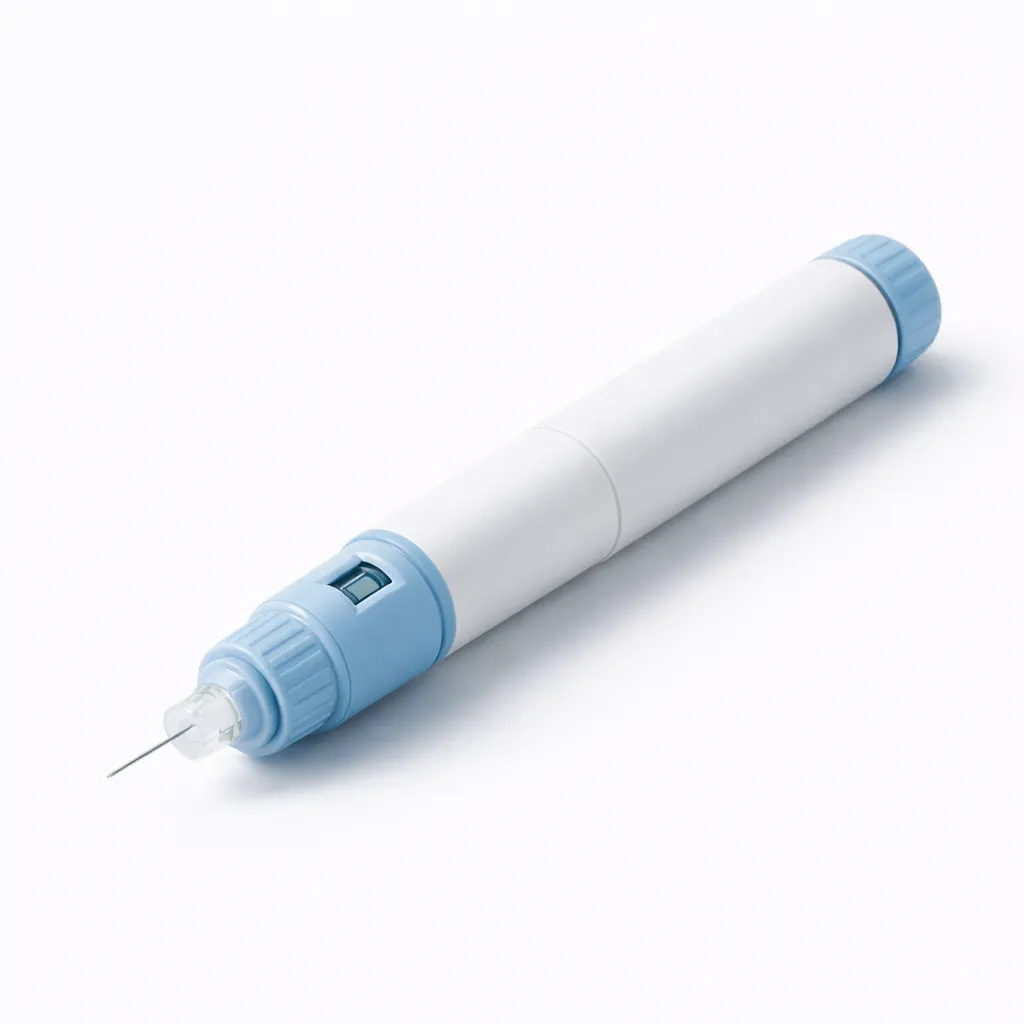
Description
TOUJEO SOLOSTAR 300 IU INJ
Indications
TOUJEO SOLOSTAR 300 IU INJ is indicated for the treatment of adults with type 1 and type 2 diabetes mellitus. It is used to improve glycemic control in conjunction with diet and exercise. This long-acting insulin formulation is particularly beneficial for patients who require basal insulin therapy to manage their blood glucose levels effectively.
Mechanism of Action
TOUJEO SOLOSTAR contains insulin glargine, a modified form of human insulin. It is designed to provide a steady and prolonged release of insulin, mimicking the natural insulin secretion of the pancreas. The mechanism of action involves the binding of insulin to insulin receptors on target tissues, primarily muscle and adipose tissues, facilitating the uptake of glucose from the bloodstream. This action ultimately leads to a decrease in blood glucose levels, thereby managing diabetes effectively.
Pharmacological Properties
TOUJEO SOLOSTAR is characterized by its unique pharmacokinetic profile. Insulin glargine has a prolonged duration of action, typically lasting up to 24 hours or more, which allows for once-daily dosing. The pharmacodynamics of TOUJEO indicate a gradual onset of action, with peak activity occurring approximately 6 hours after administration. The formulation is designed to minimize fluctuations in insulin levels, providing a more stable glycemic control compared to other insulin preparations.
Contraindications
TOUJEO SOLOSTAR is contraindicated in patients with a known hypersensitivity to insulin glargine or any of its excipients. It should not be used in individuals experiencing episodes of hypoglycemia or in those with diabetic ketoacidosis. Caution is advised when prescribing TOUJEO to patients with renal or hepatic impairment, as these conditions may affect insulin requirements and metabolism.
Side Effects
The use of TOUJEO SOLOSTAR may be associated with several side effects, some of which may require medical attention. Common side effects include:
- Hypoglycemia (low blood sugar), which can manifest as sweating, tremors, confusion, and palpitations.
- Injection site reactions such as redness, swelling, or itching.
- Weight gain, which is a common concern among insulin therapies.
- Allergic reactions, though rare, may occur and can include rash, urticaria, or anaphylaxis.
Patients should be monitored regularly for these side effects, and any severe or persistent symptoms should be reported to a healthcare provider.
Dosage and Administration
TOUJEO SOLOSTAR is administered via subcutaneous injection, typically in the abdomen, thigh, or upper arm. The recommended starting dose varies based on the individual patient’s needs, previous insulin regimen, and blood glucose levels. It is essential to follow a healthcare provider’s instructions regarding the appropriate dosage and timing of administration.
Patients are advised to rotate injection sites to minimize the risk of lipodystrophy. TOUJEO can be injected at any time of the day but should be administered consistently at the same time each day for optimal glycemic control.
Interactions
Drug interactions may occur with TOUJEO SOLOSTAR, which can affect insulin sensitivity and glycemic control. Certain medications, such as corticosteroids, diuretics, and beta-blockers, may increase blood glucose levels, necessitating adjustments in insulin dosing. Conversely, medications like sulfonylureas and other antidiabetic agents may enhance the hypoglycemic effect of insulin, requiring careful monitoring of blood glucose levels.
Patients should inform their healthcare providers of all medications, supplements, and over-the-counter products they are taking to avoid potential interactions.
Precautions
When using TOUJEO SOLOSTAR, several precautions should be considered:
- Patients should be educated on recognizing the signs and symptoms of hypoglycemia and how to manage it effectively.
- Regular blood glucose monitoring is essential to ensure effective glycemic control and to adjust insulin doses as needed.
- Patients with a history of hypoglycemia unawareness should be closely monitored, as they may not exhibit typical symptoms of low blood sugar.
- Alcohol consumption should be limited, as it can affect blood glucose levels and insulin requirements.
Patients should also be advised to maintain a balanced diet and engage in regular physical activity to support their diabetes management plan.
Clinical Studies
Clinical studies have demonstrated the efficacy and safety of TOUJEO SOLOSTAR in managing blood glucose levels in patients with type 1 and type 2 diabetes. In a study comparing TOUJEO with other basal insulins, patients receiving TOUJEO experienced a significant reduction in HbA1c levels with a low incidence of hypoglycemia. Another study highlighted the convenience of once-daily dosing, which improved adherence to treatment regimens among patients.
Long-term studies have also shown that TOUJEO provides consistent glycemic control while minimizing the risk of nocturnal hypoglycemia, a common concern with other insulin therapies. These findings support the use of TOUJEO as a preferred option for basal insulin therapy in diabetes management.
Conclusion
TOUJEO SOLOSTAR 300 IU INJ is a valuable therapeutic option for adults with type 1 and type 2 diabetes mellitus. Its long-acting formulation and stable pharmacokinetic profile offer significant advantages in achieving and maintaining glycemic control. However, careful consideration of contraindications, potential side effects, and drug interactions is essential for safe and effective use. Patients should work closely with their healthcare providers to develop a comprehensive diabetes management plan that incorporates TOUJEO as part of their treatment regimen.
Important
It is crucial to use TOUJEO SOLOSTAR responsibly and under the guidance of a healthcare professional. Patients should adhere to prescribed dosages and regularly monitor their blood glucose levels to ensure optimal management of their diabetes.