
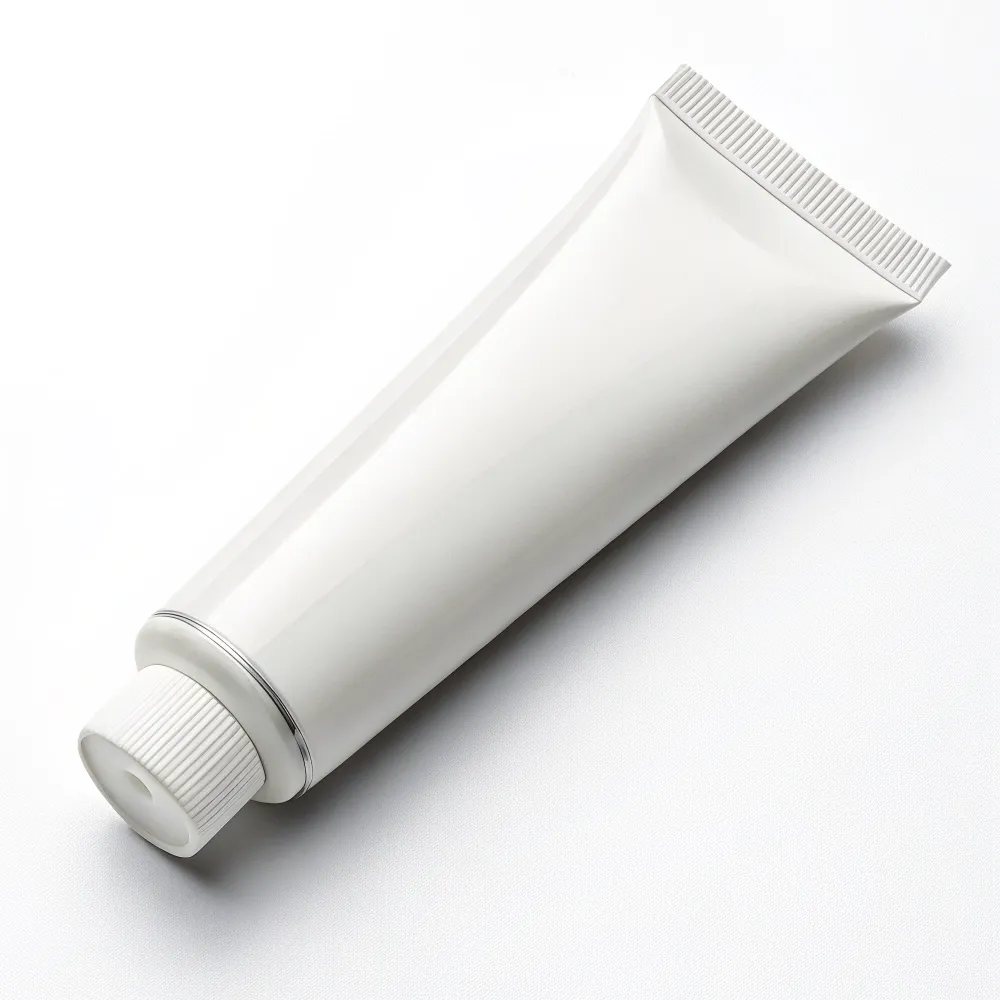
Description
TRETIMAXX 0.025% CREAM 20GM
Indications
TRETIMAXX 0.025% Cream is primarily indicated for the topical treatment of acne vulgaris. It is also used for the management of other dermatological conditions such as photoaging, hyperpigmentation, and fine wrinkles. The active ingredient, tretinoin, is a retinoid that promotes skin cell turnover, thereby helping to prevent the formation of new acne lesions and improving the overall appearance of the skin.
Mechanism of Action
Tretinoin, the active component of TRETIMAXX, functions by modulating the growth and differentiation of skin cells. It binds to specific nuclear receptors in the skin, leading to alterations in gene expression that promote the shedding of dead skin cells and the renewal of the epidermis. This process helps to unclog pores, reduce inflammation, and prevent the formation of comedones (clogged hair follicles). Additionally, tretinoin enhances collagen synthesis and reduces the breakdown of collagen, which contributes to its efficacy in improving skin texture and reducing signs of aging.
Pharmacological Properties
TRETIMAXX 0.025% Cream is a topical formulation that allows for localized delivery of tretinoin. The pharmacokinetics of topical tretinoin show that it is rapidly absorbed into the skin, with minimal systemic absorption. The cream formulation provides a moisturizing effect, which can help mitigate the drying effects often associated with retinoid therapy. The onset of action typically occurs within several weeks of consistent use, with optimal results generally observed after 8 to 12 weeks of treatment.
Contraindications
TRETIMAXX 0.025% Cream is contraindicated in individuals with a known hypersensitivity to tretinoin or any of the excipients in the formulation. It should not be used in patients with eczema or other inflammatory skin conditions where irritation may be exacerbated. Additionally, it is not recommended for use in pregnant or breastfeeding women due to the potential risk of teratogenic effects associated with systemic absorption of retinoids.
Side Effects
Common side effects of TRETIMAXX 0.025% Cream include local irritation, redness, peeling, and dryness of the skin. These effects are typically mild and tend to diminish with continued use. In some cases, patients may experience more severe reactions such as burning sensations, excessive dryness, or allergic reactions. It is important for patients to report any persistent or severe side effects to their healthcare provider for further evaluation and management.
Dosage and Administration
The recommended dosage of TRETIMAXX 0.025% Cream is to apply a thin layer to the affected area once daily, preferably in the evening. Prior to application, the skin should be cleansed and dried thoroughly. Patients are advised to start with a lower frequency of application (e.g., every other night) to assess tolerance, especially if they have sensitive skin. Gradually, the frequency can be increased based on individual tolerance and response to treatment. It is essential to follow the prescribing physician’s instructions regarding the duration of therapy and any specific application techniques.
Interactions
While TRETIMAXX 0.025% Cream is generally well-tolerated, certain interactions may occur. Patients should avoid using other topical products that may cause irritation, such as astringents, alcohol-containing products, or other retinoids, as these can increase the risk of skin irritation. Additionally, caution should be exercised when using TRETIMAXX in conjunction with phototherapy or chemical peels, as the combination may exacerbate skin sensitivity. It is advisable to consult a healthcare provider before combining TRETIMAXX with any other topical medications.
Precautions
Patients using TRETIMAXX 0.025% Cream should be advised to avoid excessive sun exposure and to use sunscreen to protect the skin, as tretinoin can increase photosensitivity. It is also important to avoid waxing or other hair removal methods that may irritate the skin while using this medication. Patients should be informed about the potential for initial worsening of acne, known as the “purging” effect, which may occur during the first few weeks of treatment. Monitoring for side effects and regular follow-up appointments with a healthcare provider are recommended to ensure the safety and efficacy of the treatment.
Clinical Studies
Clinical studies evaluating the efficacy and safety of TRETIMAXX 0.025% Cream have demonstrated significant improvements in acne lesions and overall skin appearance. In a randomized controlled trial, patients treated with topical tretinoin showed a marked reduction in both inflammatory and non-inflammatory acne lesions compared to those receiving a placebo. Furthermore, studies have indicated that long-term use of tretinoin can lead to sustained improvements in skin texture and reduction of fine lines, making it a valuable option for both acne treatment and anti-aging therapy. The results underscore the importance of adherence to the treatment regimen to achieve optimal outcomes.
Conclusion
TRETIMAXX 0.025% Cream is a clinically effective topical treatment for acne vulgaris and other skin conditions related to abnormal skin cell turnover. With its well-established mechanism of action and favorable safety profile, it serves as a valuable therapeutic option for patients seeking to improve their skin health. Patients should be educated on the proper use of this medication, potential side effects, and the importance of sun protection during treatment. Regular follow-up with healthcare providers can help maximize the benefits of TRETIMAXX while minimizing the risk of adverse effects.
Important
It is essential to use TRETIMAXX 0.025% Cream responsibly and as directed by a healthcare professional. Always consult your physician or dermatologist for personalized advice and treatment plans tailored to your specific skin condition.

