
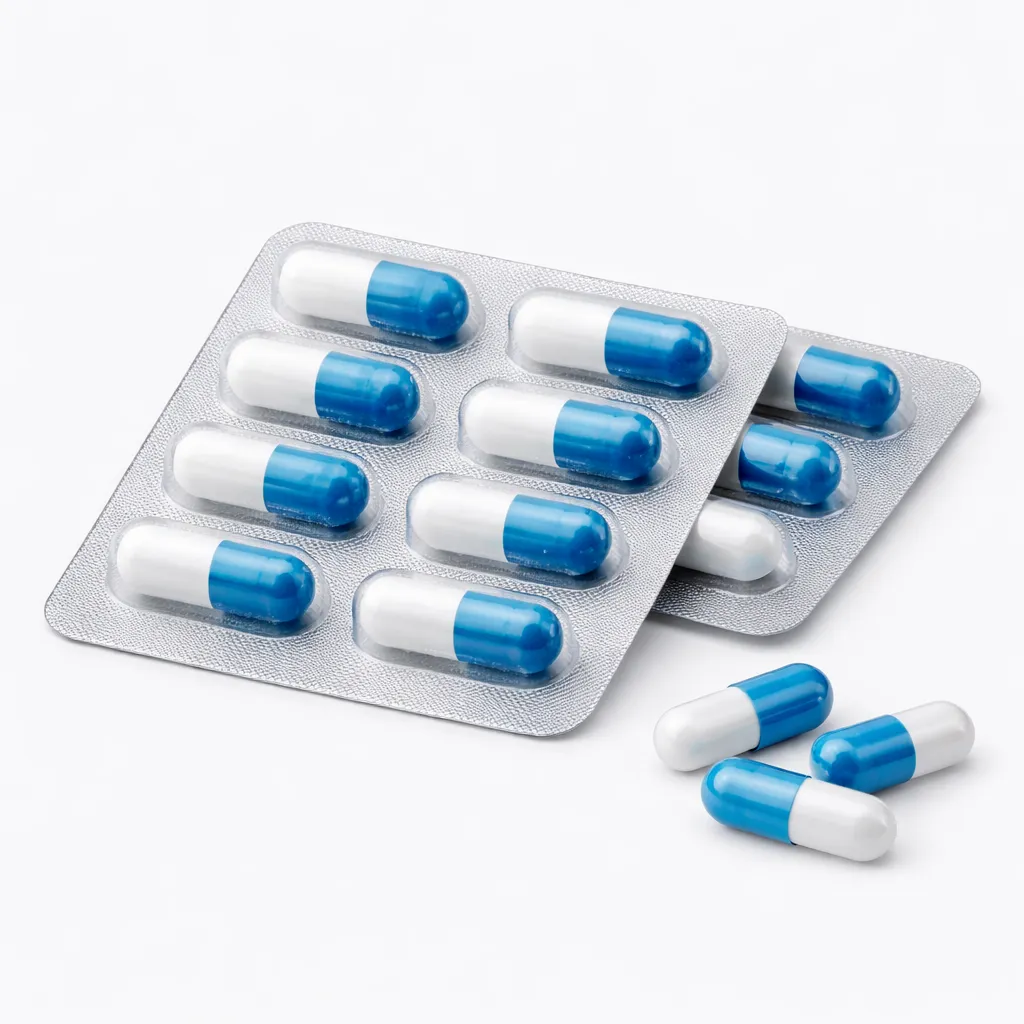
Description
TRETIVA 20 MG
Indications
TRETIVA 20 MG is primarily indicated for the treatment of severe acne vulgaris, particularly in cases that are resistant to conventional therapies such as topical agents and antibiotics. It is also used in the management of other dermatological conditions as determined by a healthcare professional. The active ingredient in TRETIVA is isotretinoin, which is a derivative of vitamin A and is known for its potent effects on sebaceous gland activity.
Mechanism of Action
The mechanism of action of TRETIVA involves the reduction of sebaceous gland size and sebum production. Isotretinoin works by modulating the skin’s keratinization process, thereby preventing the formation of comedones (clogged pores) and reducing inflammation. Additionally, it has anti-inflammatory properties that help in alleviating the symptoms associated with acne. By decreasing the size of sebaceous glands, TRETIVA effectively lowers the amount of oil produced, which is a key factor in the development of acne.
Pharmacological Properties
TRETIVA is classified as a retinoid and is absorbed rapidly from the gastrointestinal tract after oral administration. It undergoes extensive hepatic metabolism, primarily by cytochrome P450 enzymes, and is excreted mainly through urine. The half-life of isotretinoin is approximately 10 to 20 hours, but its effects can last much longer due to its accumulation in the skin and fat tissues. Isotretinoin is known to influence gene expression, particularly those involved in cell proliferation and differentiation, which contributes to its therapeutic effects in acne treatment.
Contraindications
TRETIVA 20 MG is contraindicated in several conditions. It should not be used in patients who are pregnant or planning to become pregnant due to the high risk of teratogenic effects. Women of childbearing potential must use effective contraception during treatment and for at least one month after discontinuation. Additionally, TRETIVA is contraindicated in individuals with hypersensitivity to isotretinoin or any of the excipients in the formulation. Other contraindications include severe liver disease, hyperlipidemia, and a history of psychiatric disorders, particularly depression and suicidal ideation.
Side Effects
The use of TRETIVA can lead to a range of side effects, some of which may be severe. Common side effects include dry skin, chapped lips, and dry eyes. Other potential adverse effects include elevated liver enzymes, hypertriglyceridemia, and changes in mood or behavior. Rare but serious side effects may include pancreatitis, severe allergic reactions, and vision problems. Patients should be closely monitored for any signs of severe side effects, particularly during the initial phases of treatment.
Dosage and Administration
The recommended dosage of TRETIVA 20 MG varies based on the severity of the condition and the patient’s body weight. Typically, the initial dose is 0.5 to 1 mg/kg/day, administered in two divided doses with food to enhance absorption. Treatment duration usually lasts from 15 to 20 weeks, and the total cumulative dose should ideally reach 120 to 150 mg/kg to achieve optimal results. It is essential for patients to follow their healthcare provider’s instructions regarding dosage adjustments and to attend regular follow-up appointments for monitoring.
Interactions
TRETIVA may interact with several medications, which can alter its effectiveness or increase the risk of adverse effects. Concurrent use of tetracycline antibiotics can increase the risk of intracranial hypertension. Additionally, isotretinoin can enhance the effects of vitamin A supplements, leading to toxicity. Patients should inform their healthcare providers about all medications, including over-the-counter drugs and supplements, to minimize the risk of interactions. Alcohol consumption should also be limited, as it may exacerbate liver toxicity.
Precautions
Clinical Studies
Conclusion
TRETIVA 20 MG is a powerful therapeutic option for individuals suffering from severe acne vulgaris and other related skin conditions. Its unique mechanism of action, coupled with its pharmacological properties, makes it a preferred choice for patients who have not responded to conventional treatments. However, due to the potential for serious side effects and contraindications, it is crucial for patients to be closely monitored by healthcare professionals during treatment. With appropriate use and monitoring, TRETIVA can significantly improve the quality of life for individuals affected by severe acne.
Important
It is essential to use TRETIVA 20 MG responsibly and under the supervision of a qualified healthcare professional. Patients should be aware of the potential side effects and interactions associated with this medication and should adhere strictly to their prescribed treatment regimen.
