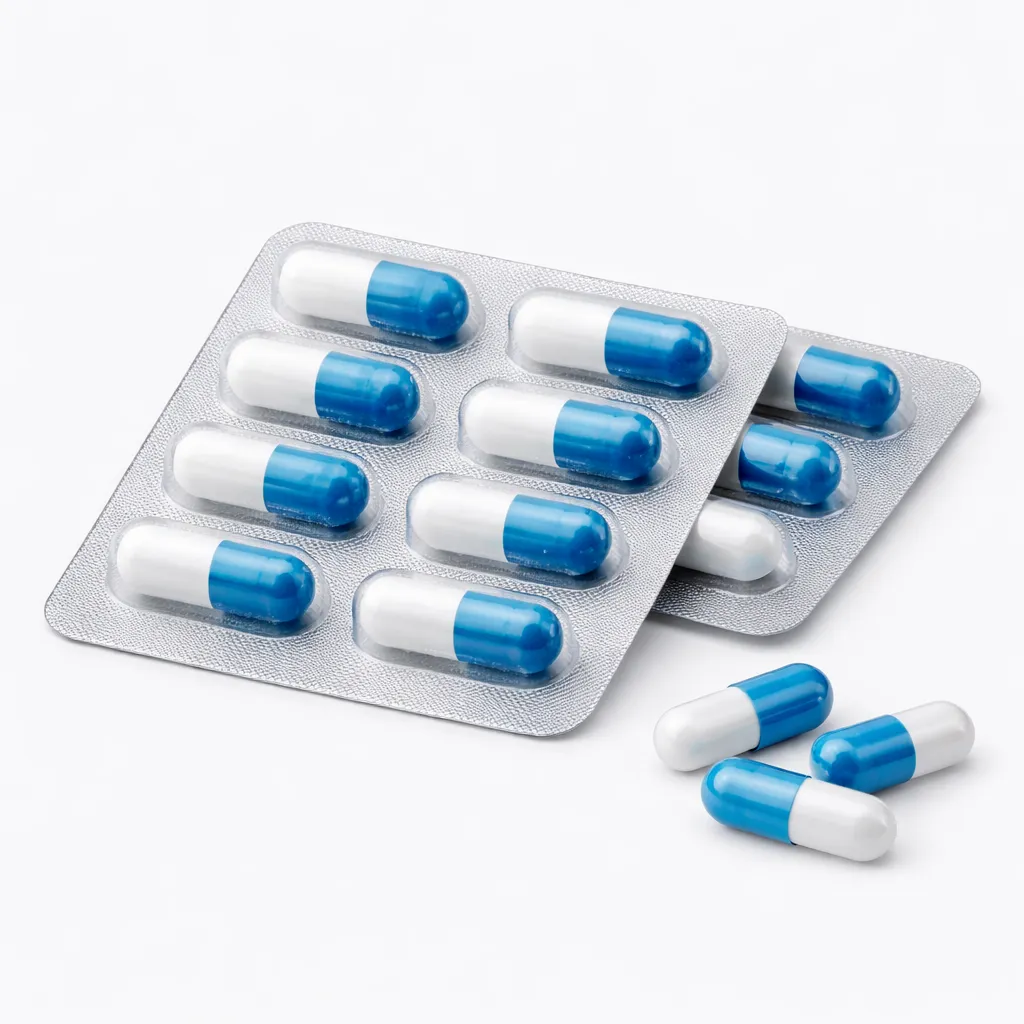
Description
TRETIVA 30 MG
Indications
TRETIVA 30 MG is primarily indicated for the treatment of severe acne vulgaris, particularly in cases that are resistant to conventional therapies. It is also utilized for other dermatological conditions as determined by a healthcare provider. The active ingredient in TRETIVA is isotretinoin, a retinoid that is effective in reducing sebaceous gland activity and promoting skin cell turnover. This medication is generally prescribed for patients who have not responded adequately to antibiotics or topical treatments.
Mechanism of Action
The primary mechanism of action of TRETIVA (isotretinoin) involves the reduction of sebum production by the sebaceous glands. Isotretinoin binds to retinoic acid receptors, which leads to a decrease in the size and activity of these glands. Additionally, it promotes the normalization of follicular keratinization, thereby preventing the formation of comedones (clogged pores) and reducing the proliferation of acne-causing bacteria, specifically Propionibacterium acnes. This multifaceted approach helps to alleviate the symptoms of acne and improve overall skin appearance.
Pharmacological Properties
TRETIVA is a synthetic derivative of vitamin A (retinol) and exhibits a high degree of lipophilicity, which enhances its absorption in the body. After oral administration, isotretinoin is rapidly absorbed and reaches peak plasma concentrations within 1 to 4 hours. The bioavailability of isotretinoin can be significantly increased when taken with food. It is extensively metabolized in the liver, primarily via cytochrome P450 enzymes, and has a half-life of approximately 10 to 20 hours. The metabolites of isotretinoin also contribute to its therapeutic effects. Isotretinoin is excreted mainly through the bile and urine.
Contraindications
TRETIVA 30 MG is contraindicated in several situations. It should not be used in patients who are pregnant or planning to become pregnant, as isotretinoin is known to cause severe birth defects. Additionally, it is contraindicated in individuals with hypersensitivity to isotretinoin or any of the excipients in the formulation. Other contraindications include patients with liver disease, hyperlipidemia, and those taking tetracycline antibiotics, as this combination may increase the risk of intracranial hypertension. Furthermore, patients with a history of depression or other psychiatric disorders should be closely monitored if prescribed this medication.
Side Effects
The use of TRETIVA 30 MG may lead to a variety of side effects, some of which can be severe. Common side effects include dry skin, chapped lips, and dry eyes. Other less common but more serious side effects may include elevated liver enzymes, hyperlipidemia, and potential psychiatric effects such as depression and anxiety. Patients may also experience musculoskeletal pain and headaches. It is essential for patients to report any unusual symptoms to their healthcare provider promptly. Regular monitoring of liver function and lipid levels is recommended during treatment.
Dosage and Administration
The recommended dosage of TRETIVA 30 MG varies depending on the severity of the condition being treated and the patient’s body weight. Typically, the initial dose is 0.5 to 1 mg/kg/day, administered in two divided doses with meals to enhance absorption. The total duration of treatment usually ranges from 15 to 20 weeks. After the initial course, the healthcare provider may reassess the patient’s condition and determine if a second course is necessary. It is crucial to adhere to the prescribed dosage and schedule to minimize the risk of adverse effects and maximize therapeutic benefits.
Interactions
TRETIVA 30 MG may interact with several medications, which can alter its effectiveness or increase the risk of side effects. Notably, the concomitant use of isotretinoin with tetracyclines can lead to increased intracranial pressure. Other potential interactions include those with vitamin A supplements, as they may enhance the risk of hypervitaminosis A. Additionally, certain medications that affect liver enzymes may alter isotretinoin metabolism, necessitating careful monitoring. Patients should inform their healthcare provider of all medications they are taking, including over-the-counter drugs and supplements, to avoid potential interactions.
Precautions
Clinical Studies
Conclusion
TRETIVA 30 MG is an effective treatment option for severe acne vulgaris, particularly in cases unresponsive to other therapies. Its multifaceted mechanism of action and pharmacological properties make it a valuable tool in dermatology. However, due to the potential for significant side effects and contraindications, it is crucial for patients to be closely monitored by healthcare professionals throughout their treatment. Understanding the risks and benefits of TRETIVA is essential for achieving optimal outcomes in acne management.
Important
Responsible use of TRETIVA 30 MG is essential for ensuring patient safety and treatment efficacy. Always consult with a healthcare provider before starting or stopping any medication, and adhere strictly to prescribed dosages and follow-up appointments.