
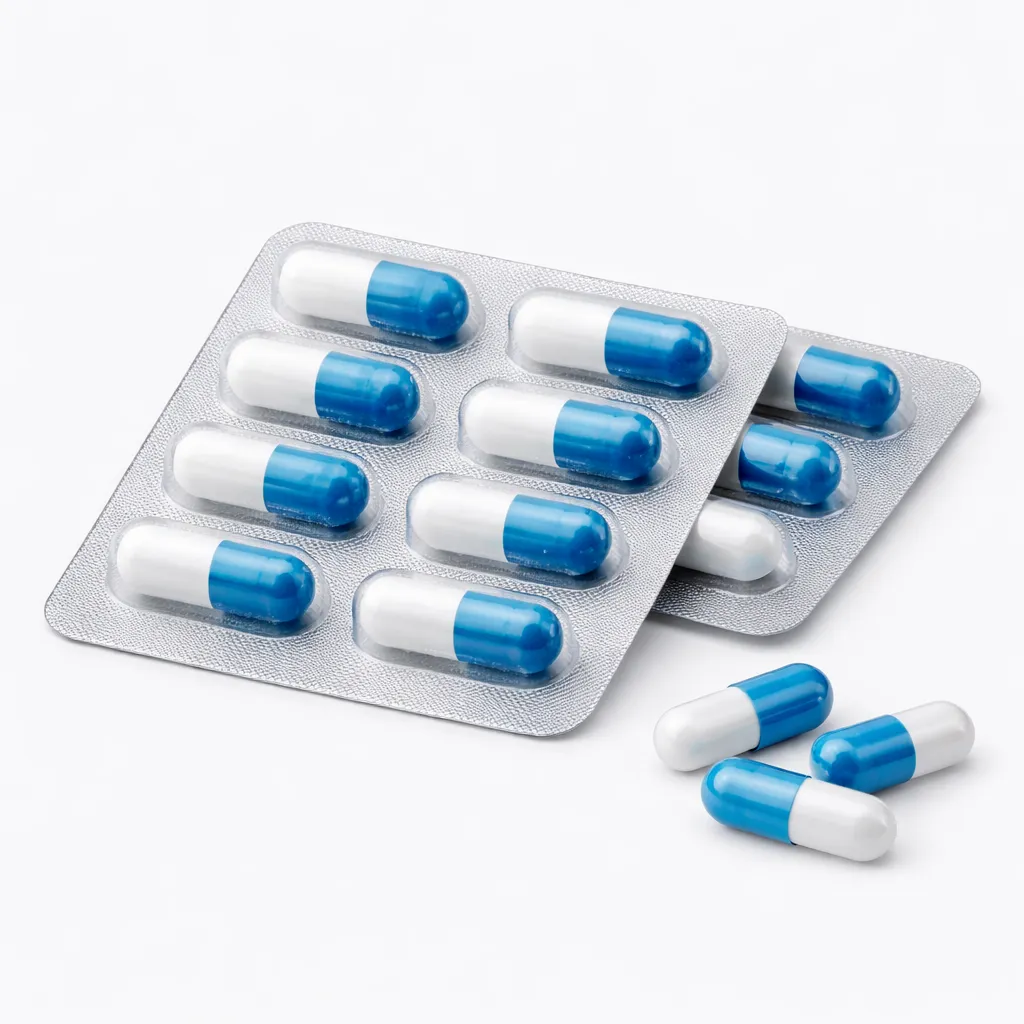
Description
TRETIVA 40 MG
Indications
TRETIVA 40 MG is primarily indicated for the treatment of severe acne vulgaris that has not responded to conventional therapies. This medication is particularly beneficial for patients suffering from nodular acne, which is characterized by large, painful lesions that can lead to scarring. TRETIVA is also used in the management of other dermatological conditions as determined by a healthcare professional.
Mechanism of Action
The active ingredient in TRETIVA is isotretinoin, a retinoid derivative of vitamin A. Isotretinoin works by reducing sebaceous gland size and sebum production, which are critical factors in the development of acne. It also promotes the normalization of keratinization, thereby preventing the clogging of hair follicles. Additionally, isotretinoin has anti-inflammatory properties that help reduce the inflammatory response associated with acne lesions.
Pharmacological Properties
TRETIVA exhibits a high degree of bioavailability when administered orally, with peak plasma concentrations typically occurring within 2 to 4 hours post-ingestion. The drug is highly protein-bound (approximately 99.9%) and is metabolized primarily in the liver. The half-life of isotretinoin is approximately 10 to 20 hours, but it can be prolonged in patients with hepatic impairment. The metabolites of isotretinoin are also pharmacologically active and contribute to its therapeutic effects.
Contraindications
TRETIVA 40 MG is contraindicated in several situations. It should not be used in patients who are pregnant or planning to become pregnant, as isotretinoin is known to cause severe birth defects. Additionally, it is contraindicated in individuals with hypersensitivity to isotretinoin or any of the excipients in the formulation. Patients with hepatic impairment, hyperlipidemia, or a history of depression should also avoid using this medication unless closely monitored by a healthcare professional.
Side Effects
The use of TRETIVA may lead to a range of side effects, some of which can be serious. Common side effects include dry skin, chapped lips, and dry eyes, which are often manageable with supportive care. More severe side effects can include elevated liver enzymes, lipid abnormalities, and psychiatric symptoms such as depression or suicidal thoughts. Patients should be monitored regularly for these adverse effects, especially during the initial months of therapy.
Dosage and Administration
The recommended starting dose of TRETIVA 40 MG is typically 0.5 to 1 mg/kg body weight per day, taken in two divided doses with food to enhance absorption. The duration of treatment usually ranges from 15 to 20 weeks, depending on the severity of the acne and the patient’s response to therapy. After the initial course, some patients may require additional treatment cycles, but it is essential to allow a minimum of 8 weeks between courses to evaluate the response adequately.
Interactions
TRETIVA may interact with several medications, which can alter its efficacy or increase the risk of side effects. Notably, concurrent use of tetracycline antibiotics may increase the risk of intracranial hypertension. Additionally, isotretinoin can affect the metabolism of certain drugs, including those metabolized by cytochrome P450 enzymes. Patients should inform their healthcare provider of all medications they are taking, including over-the-counter drugs and supplements, to avoid potential interactions.
Precautions
Clinical Studies
Conclusion
TRETIVA 40 MG is a potent treatment option for patients suffering from severe acne vulgaris, particularly when other therapies have failed. While it offers significant benefits in terms of acne reduction and improvement in quality of life, it is essential to consider the potential side effects and contraindications associated with its use. Close monitoring and patient education are crucial to ensure safe and effective treatment outcomes.
Important
It is essential to use TRETIVA 40 MG responsibly under the supervision of a qualified healthcare professional. Patients should adhere to prescribed dosages and attend regular follow-up appointments to monitor for side effects and treatment efficacy.
