Description
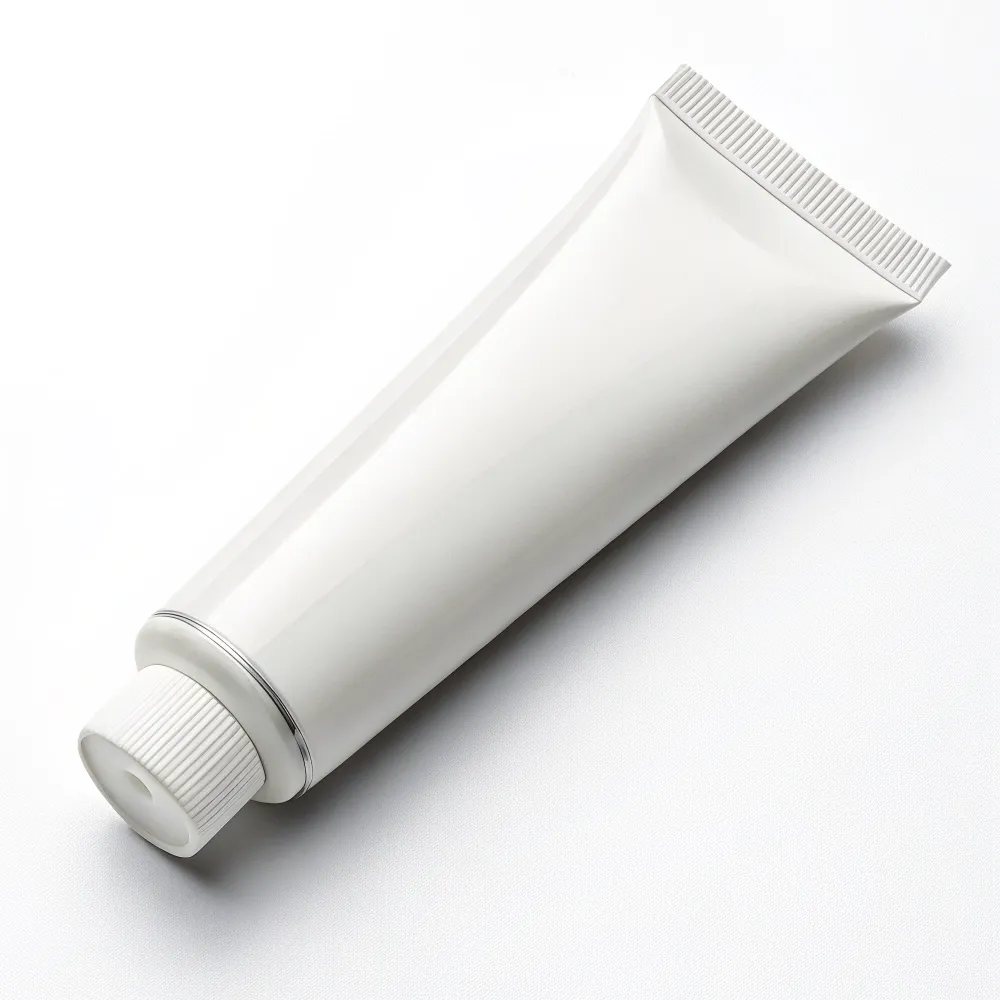
TRIMADERM OINT 15GM
Indications
TRIMADERM OINT 15GM is a topical medication primarily indicated for the treatment of various skin conditions, including but not limited to, eczema, dermatitis, and other inflammatory skin disorders. It is particularly useful for conditions that may involve secondary bacterial infections due to scratching or irritation. The ointment provides symptomatic relief from itching, redness, and inflammation associated with these skin ailments.
Mechanism of Action
TRIMADERM OINT contains a combination of active ingredients that work synergistically to alleviate symptoms of skin disorders. The primary components include a corticosteroid, which reduces inflammation by inhibiting the release of inflammatory mediators and suppressing the immune response. Additionally, it may contain an antibiotic component that acts against specific bacteria, helping to prevent or treat secondary infections. This dual action makes TRIMADERM effective in managing both the inflammatory response and the risk of infection in affected areas.
Pharmacological Properties
The pharmacological properties of TRIMADERM OINT are attributed to its active ingredients. The corticosteroid component exhibits anti-inflammatory, antipruritic, and vasoconstrictive properties, which help to reduce swelling, redness, and itching. The antibiotic component, on the other hand, exerts bactericidal effects against common pathogens that may complicate skin conditions. The ointment’s formulation allows for easy application and absorption, ensuring that the active ingredients penetrate the skin effectively to exert their therapeutic effects.
Contraindications
TRIMADERM OINT is contraindicated in individuals with a known hypersensitivity to any of its components. It should not be used on areas of the skin that are infected, including viral infections such as herpes simplex or varicella, as well as fungal infections. Additionally, it is not recommended for use in patients with untreated tuberculosis or those with a history of systemic fungal infections. Caution should be exercised in patients with a history of skin reactions to corticosteroids or antibiotics.
Side Effects
While TRIMADERM OINT is generally well tolerated, some patients may experience side effects. Common side effects include local irritation, burning, stinging, or itching at the application site. Prolonged use or application over large areas of the skin may lead to systemic absorption of the corticosteroid, potentially resulting in adrenal suppression or other corticosteroid-related side effects, such as skin thinning, striae, or telangiectasia. Allergic reactions, although rare, may occur and require immediate medical attention.
Dosage and Administration
TRIMADERM OINT should be applied topically to the affected area as directed by a healthcare professional. The typical dosage involves applying a thin layer of the ointment to the affected skin one to three times daily, depending on the severity of the condition and the physician’s recommendations. It is important to wash hands before and after application to prevent contamination and to avoid contact with the eyes and mucous membranes. Patients are advised to follow the prescribed duration of treatment and not to exceed the recommended dose to minimize the risk of side effects.
Interactions
TRIMADERM OINT may interact with other topical medications, particularly those that also contain corticosteroids or antibiotics. Concurrent use of multiple topical agents should be approached with caution to avoid potential additive effects or increased risk of local irritation. Systemic interactions are less common due to the topical nature of the medication; however, patients should inform their healthcare provider of all medications they are taking, including over-the-counter products and herbal supplements, to ensure safe and effective use.
Precautions
Before using TRIMADERM OINT, patients should inform their healthcare provider of any pre-existing medical conditions, particularly those related to skin disorders or immune system function. It is essential to use the ointment only as directed and to avoid long-term use, especially in sensitive areas such as the face or intertriginous regions. Patients should be monitored for signs of local or systemic side effects, particularly if the ointment is used over large areas of the skin or for extended periods. Pregnant or breastfeeding women should consult their healthcare provider before using this medication to assess potential risks.
Clinical Studies
Clinical studies have demonstrated the efficacy of TRIMADERM OINT in managing inflammatory skin conditions. Research indicates that the combination of corticosteroid and antibiotic components significantly reduces symptoms such as itching, redness, and swelling in patients with dermatitis and eczema. Studies have also shown a reduction in the incidence of secondary bacterial infections when the ointment is used as part of the treatment regimen. The safety profile of TRIMADERM has been established through various clinical trials, indicating that when used as directed, it is effective with a manageable side effect profile.
Conclusion
TRIMADERM OINT 15GM is a valuable therapeutic option for patients suffering from inflammatory skin conditions complicated by the risk of secondary infections. Its dual-action formulation provides effective relief from symptoms while addressing potential bacterial complications. As with any medication, it is crucial for patients to use TRIMADERM responsibly, adhering to prescribed guidelines to maximize benefits and minimize risks. For optimal results, patients should maintain open communication with their healthcare providers throughout their treatment journey.
Important
It is essential to use TRIMADERM OINT responsibly and as directed by a healthcare professional. Misuse or overuse can lead to adverse effects. Always consult your healthcare provider for personalized medical advice.