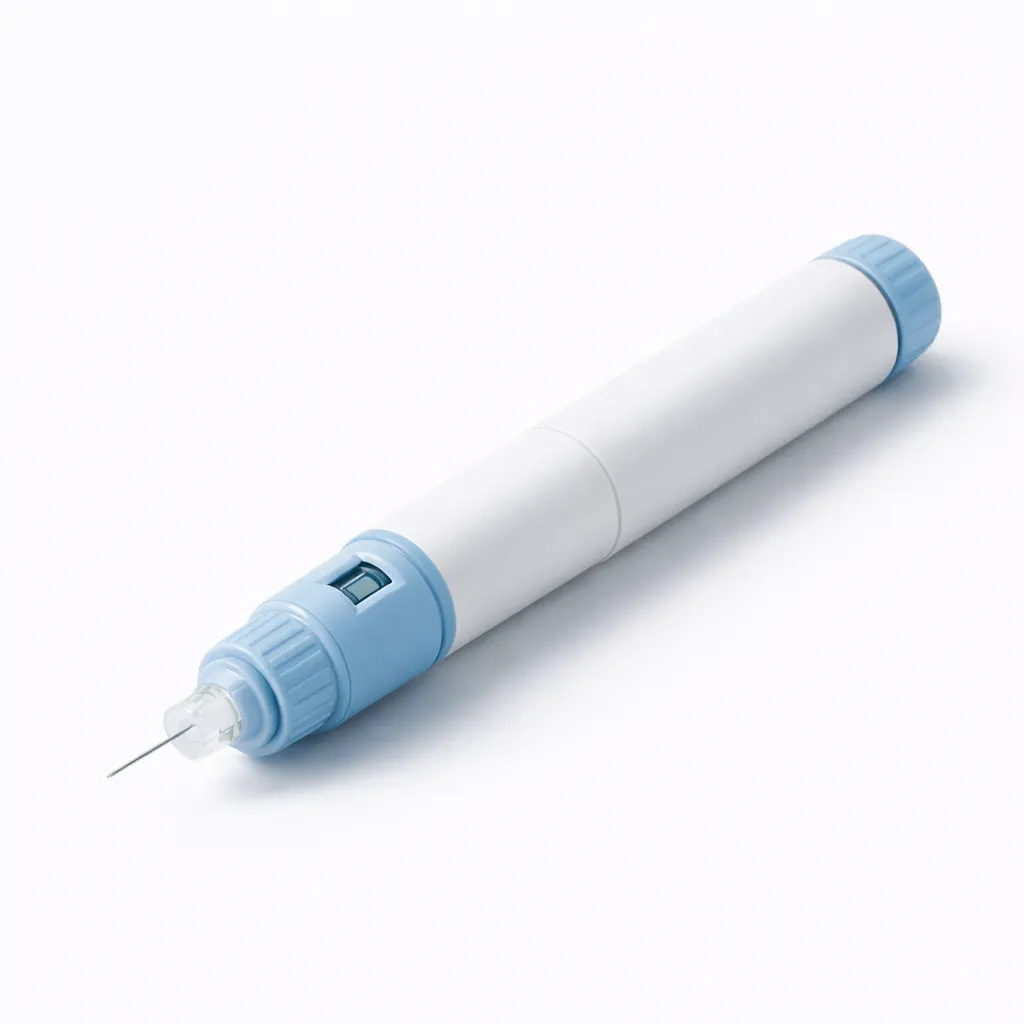
Description
Tz 10
Indications
Tz 10 is primarily indicated for the management of various conditions associated with metabolic disorders, including obesity, type 2 diabetes, and dyslipidemia. It is often prescribed as part of a comprehensive treatment plan that includes diet and exercise modifications. The medication may also be beneficial in patients with insulin resistance and those at risk for cardiovascular diseases due to metabolic syndrome.
Mechanism of Action
The active ingredients in Tz 10 work synergistically to enhance insulin sensitivity and promote glucose uptake in peripheral tissues. By activating specific pathways in the liver and muscle cells, Tz 10 facilitates the utilization of glucose, thereby lowering blood sugar levels. Additionally, it may modulate lipid metabolism, leading to improved lipid profiles and reduced triglyceride levels. The precise molecular mechanisms involve the activation of AMP-activated protein kinase (AMPK) and the inhibition of gluconeogenesis in the liver.
Pharmacological Properties
Tz 10 exhibits a unique pharmacological profile characterized by its ability to lower blood glucose levels, improve insulin sensitivity, and reduce body weight. The pharmacokinetics of Tz 10 indicate a rapid absorption following oral administration, with peak plasma concentrations typically reached within 1 to 3 hours. The drug is metabolized in the liver and excreted primarily through the kidneys. Its half-life allows for once-daily dosing, contributing to patient adherence to the treatment regimen.
Contraindications
Tz 10 is contraindicated in patients with a known hypersensitivity to any of its components. It should not be used in individuals with severe renal impairment, active liver disease, or a history of lactic acidosis. Additionally, the medication is not recommended for use during pregnancy or lactation unless the potential benefits outweigh the risks, as its effects on fetal development and breastfeeding infants are not fully understood.
Side Effects
Common side effects associated with Tz 10 include gastrointestinal disturbances such as nausea, vomiting, diarrhea, and abdominal discomfort. Other potential adverse effects may include dizziness, headache, and fatigue. In rare cases, serious side effects such as lactic acidosis or severe allergic reactions may occur. Patients should be advised to report any unusual symptoms or reactions to their healthcare provider promptly.
Dosage and Administration
The recommended starting dosage of Tz 10 for adults is typically 10 mg once daily, taken orally with or without food. Depending on the patient’s response and tolerance, the dosage may be adjusted, with a maximum recommended dose of 20 mg per day. It is essential for patients to follow their healthcare provider’s instructions regarding dosage and administration to achieve optimal therapeutic outcomes.
Interactions
Tz 10 may interact with other medications, potentially altering their effectiveness or increasing the risk of side effects. Notably, concomitant use with other antidiabetic agents may increase the risk of hypoglycemia. Additionally, medications that affect renal function or those that are metabolized by the liver may also interact with Tz 10. Patients should inform their healthcare provider of all medications they are currently taking, including over-the-counter drugs and supplements, to avoid potential interactions.
Precautions
Before initiating treatment with Tz 10, healthcare providers should conduct a thorough assessment of the patient’s medical history, particularly regarding renal and liver function. Regular monitoring of renal function and blood glucose levels is recommended during treatment. Patients with a history of cardiovascular disease or those at high risk should be closely monitored for any changes in their condition. Additionally, lifestyle modifications, including diet and exercise, should be emphasized as integral components of the treatment plan.
Clinical Studies
Several clinical studies have evaluated the efficacy and safety of Tz 10 in managing metabolic disorders. In randomized controlled trials, Tz 10 has demonstrated significant reductions in HbA1c levels compared to placebo, indicating improved glycemic control. Furthermore, studies have shown that Tz 10 can lead to meaningful weight loss and improvements in lipid profiles, contributing to cardiovascular risk reduction. Long-term studies suggest that Tz 10 is generally well-tolerated, with a favorable safety profile when used as directed.
Conclusion
Tz 10 represents a valuable therapeutic option for individuals struggling with metabolic disorders such as obesity and type 2 diabetes. Its multifaceted approach to improving insulin sensitivity and promoting weight loss makes it an essential component of comprehensive management strategies. However, careful consideration of contraindications, potential side effects, and drug interactions is critical to ensure patient safety and treatment efficacy. Ongoing clinical research will continue to elucidate the long-term benefits and safety of Tz 10 in diverse patient populations.
Important
It is essential to use Tz 10 responsibly and under the supervision of a qualified healthcare professional. Patients should adhere to prescribed dosages and report any adverse effects or concerns to their healthcare provider. This medication is part of a broader treatment strategy that includes lifestyle changes, and its effectiveness is maximized when combined with a balanced diet and regular physical activity.