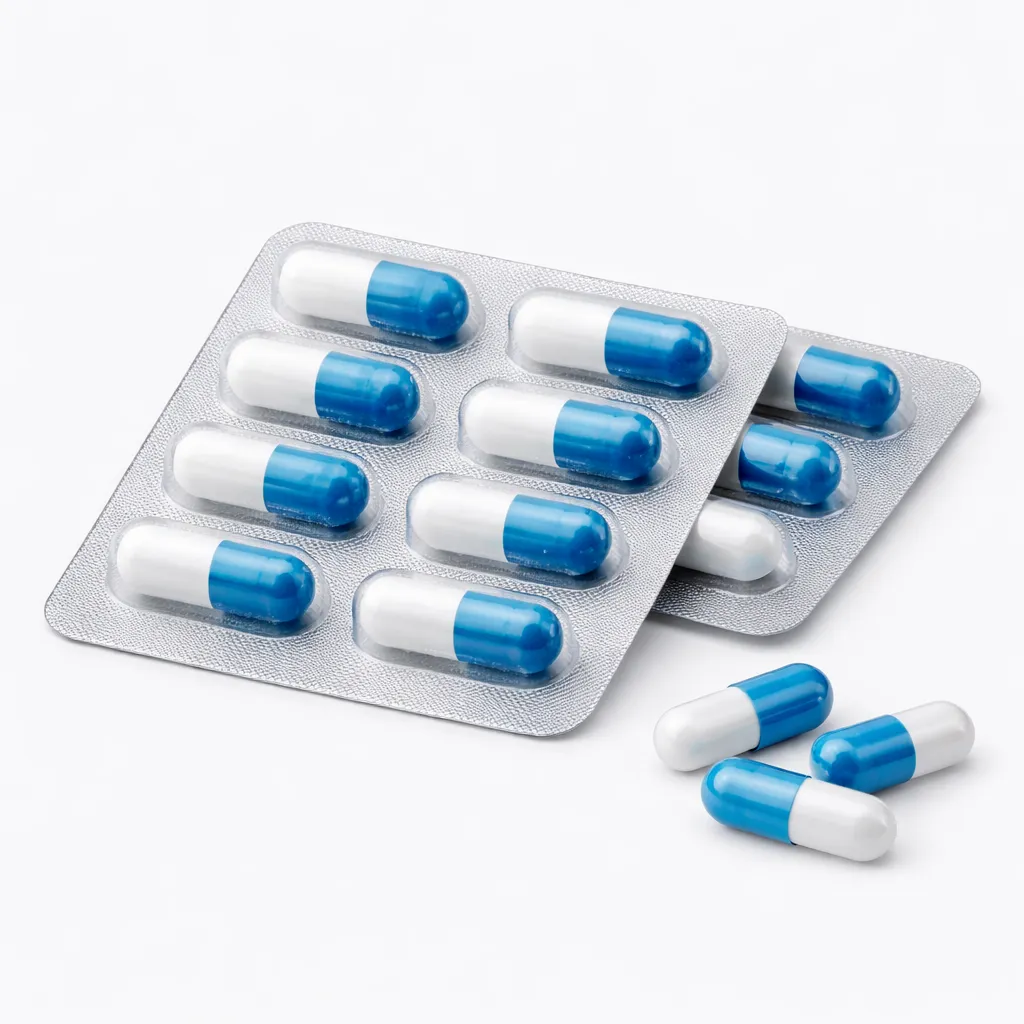
Description
UNIDEP SR 300 MG
Indications
UNIDEP SR 300 MG is primarily indicated for the treatment of major depressive disorder (MDD) in adults. It may also be prescribed for the management of anxiety disorders, including generalized anxiety disorder (GAD) and panic disorder. The formulation is designed for sustained release, allowing for once-daily dosing, which can enhance patient compliance and improve therapeutic outcomes.
Mechanism of Action
UNIDEP SR 300 MG contains the active ingredient venlafaxine, which is classified as a serotonin-norepinephrine reuptake inhibitor (SNRI). This medication works by inhibiting the reuptake of serotonin and norepinephrine in the brain, leading to increased levels of these neurotransmitters in the synaptic cleft. This action is believed to contribute to its antidepressant and anxiolytic effects. The dual mechanism of action is thought to be particularly effective in alleviating symptoms of depression and anxiety.
Pharmacological Properties
Venlafaxine is rapidly absorbed following oral administration, with peak plasma concentrations typically occurring within 2 hours. The drug undergoes extensive hepatic metabolism, primarily via the cytochrome P450 system, particularly CYP2D6, resulting in the formation of its active metabolite, O-desmethylvenlafaxine (ODV). The elimination half-life of venlafaxine is approximately 5 hours, while ODV has a longer half-life of about 11 hours. The pharmacokinetics of UNIDEP SR 300 MG allow for a steady-state concentration to be achieved with once-daily dosing, which is beneficial for managing chronic conditions.
Contraindications
UNIDEP SR 300 MG is contraindicated in patients with a known hypersensitivity to venlafaxine or any of the excipients in the formulation. It should not be used in conjunction with monoamine oxidase inhibitors (MAOIs) or within 14 days of discontinuing MAOIs due to the risk of serotonin syndrome. Additionally, caution is advised in patients with a history of seizures, bipolar disorder, or those who are pregnant or breastfeeding.
Side Effects
Common side effects associated with UNIDEP SR 300 MG include nausea, dry mouth, dizziness, insomnia, and constipation. These side effects are generally mild to moderate in intensity and may decrease over time as the patient continues treatment. Serious side effects may include increased blood pressure, serotonin syndrome, and suicidal thoughts or behaviors, particularly in younger populations. It is essential for patients to report any severe or persistent side effects to their healthcare provider promptly.
Dosage and Administration
The recommended starting dose of UNIDEP SR 300 MG for adults is typically 75 mg per day, administered once daily. Depending on the patient’s response and tolerability, the dose may be gradually increased to a maximum of 375 mg per day. It is important to take the medication with food to enhance absorption and minimize gastrointestinal side effects. Patients should be advised not to abruptly discontinue the medication without consulting their healthcare provider, as this may lead to withdrawal symptoms.
Interactions
UNIDEP SR 300 MG may interact with various medications, which can affect its efficacy and safety profile. Concomitant use with other serotonergic agents, such as SSRIs, triptans, or tramadol, may increase the risk of serotonin syndrome. Additionally, medications that affect the cytochrome P450 system, particularly CYP2D6 inhibitors, can increase venlafaxine levels and enhance side effects. Patients should inform their healthcare provider of all medications, supplements, and herbal products they are taking to avoid potential interactions.
Precautions
Before initiating treatment with UNIDEP SR 300 MG, a thorough assessment of the patient’s medical history is essential. Special caution is warranted in patients with a history of hypertension, as venlafaxine can cause dose-dependent increases in blood pressure. Monitoring of blood pressure is recommended, especially in patients receiving higher doses. Additionally, patients with a history of bipolar disorder should be closely monitored for signs of mania or hypomania. It is crucial to evaluate the risk of suicidal thoughts and behaviors, particularly in younger patients, and to provide appropriate support and monitoring throughout treatment.
Clinical Studies
Clinical studies have demonstrated the efficacy of UNIDEP SR 300 MG in treating major depressive disorder and generalized anxiety disorder. In randomized controlled trials, patients treated with venlafaxine showed significant improvements in depressive symptoms compared to placebo. The sustained-release formulation has been shown to maintain therapeutic levels throughout the day, contributing to its effectiveness in long-term management. Furthermore, studies indicate that venlafaxine may be effective in treating patients with treatment-resistant depression and anxiety disorders, making it a valuable option in psychiatric practice.
Conclusion
UNIDEP SR 300 MG is a well-established treatment option for major depressive disorder and anxiety disorders, offering a dual mechanism of action that enhances its therapeutic efficacy. While generally well-tolerated, healthcare providers must remain vigilant regarding potential side effects and drug interactions. Individualized treatment plans, along with regular monitoring, are essential to optimize outcomes and ensure patient safety. As with any medication, the benefits must be weighed against the risks, and patients should be encouraged to communicate openly with their healthcare providers throughout their treatment journey.
Important
It is crucial to use UNIDEP SR 300 MG responsibly and under the guidance of a qualified healthcare professional. Patients should adhere to prescribed dosages and report any concerning side effects or changes in mood. Responsible use contributes to the effectiveness of the treatment and the overall well-being of the patient.