Description
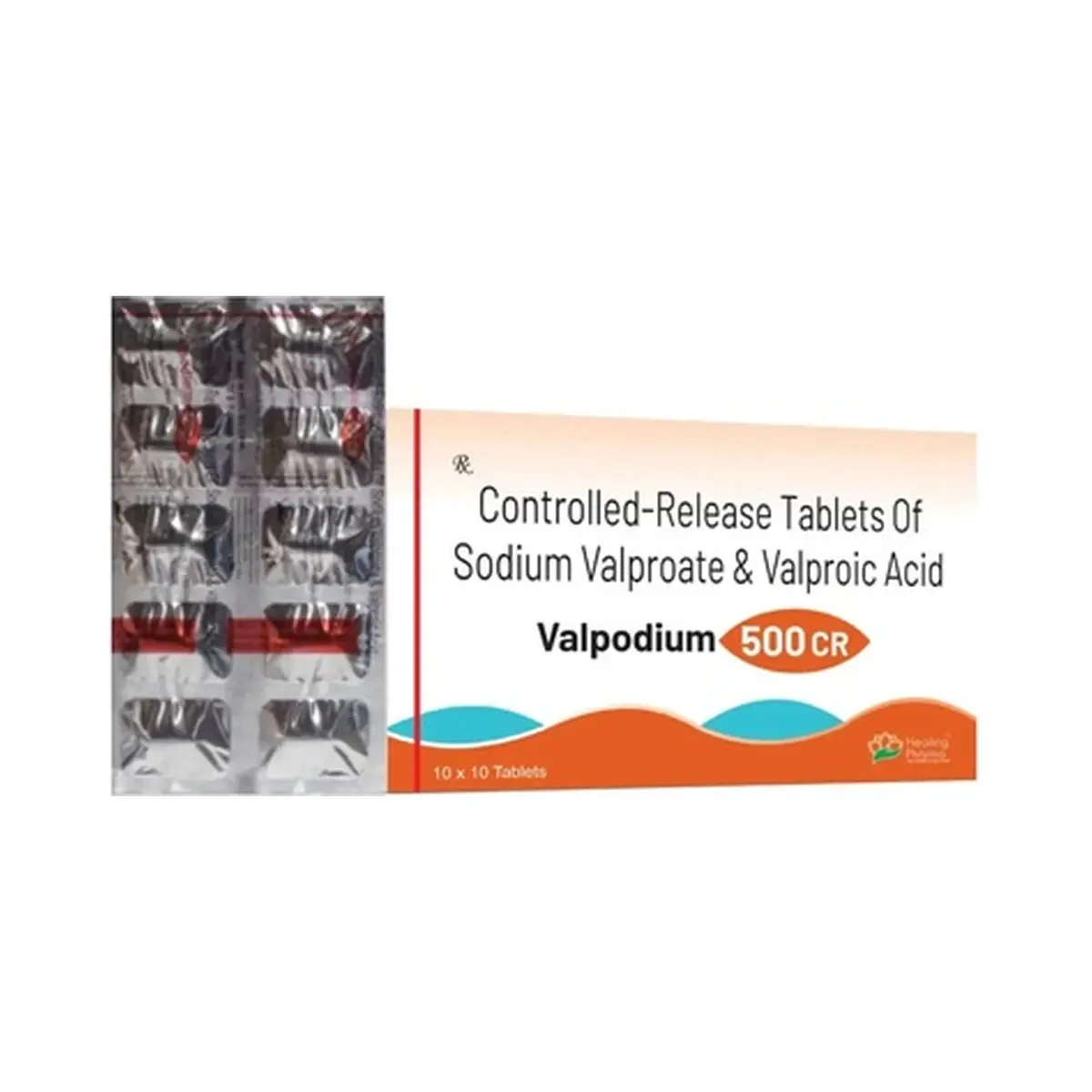
Valpodium
Valpodium 500 CR is a controlled-release medicine identified from its product name as a valproate preparation containing sodium valproate and valproic acid. Valproate medicines are established antiseizure medicines and are also used as mood stabilisers in bipolar disorder. Regulatory product information for valproate highlights important safety restrictions, especially in pregnancy.
Active Ingredient and Medicine Class
The verified active substance family is valproate: sodium valproate and valproic acid. Valproate is an antiepileptic (antiseizure) medicine with mood-stabilising properties. It is used in oral controlled-release formulations in some markets.
Established Medical Uses
Valproate is established for the treatment of epilepsy, including several seizure types, and is also used in bipolar disorder, particularly for acute mania and maintenance in some patients. Evidence reviews support benefit in acute manic episodes, while maintenance data are more mixed.
How It Works
Valproate helps reduce excessive electrical activity in the brain. Its effects are thought to involve increasing inhibitory signalling in the nervous system and modulating ion channels, which can reduce seizure activity and help stabilise mood.
Important Safety Information
Valproate is contraindicated in patients with hepatic disease or significant liver dysfunction, known hypersensitivity, urea cycle disorders, and certain mitochondrial disorders caused by POLG mutations. Regulatory sources also warn that it should not be used in pregnancy for some indications, and it carries major fetal risk warnings. It can interact with other medicines, including lamotrigine, phenytoin, phenobarbital, diazepam, rufinamide, warfarin, propofol and zidovudine. Carbapenem antibiotics can also markedly reduce valproate exposure.
Possible Side Effects
Common adverse effects include nausea, vomiting, abdominal discomfort, tremor, drowsiness, dizziness and weight gain. Important serious reactions include liver injury, pancreatitis, thrombocytopenia, hyperammonemic encephalopathy, severe skin reactions and hypersensitivity syndromes. Valproate is also associated with a substantial teratogenic and neurodevelopmental risk when used in pregnancy.
Scientific Evidence
Peer-reviewed reviews and meta-analyses show that valproate can be effective for acute mania and can help some patients with bipolar disorder, but long-term maintenance findings are less consistent. Systematic reviews also show strong evidence of fetal harm with prenatal exposure, including major congenital malformations and adverse neurodevelopmental outcomes.
Medical Information Notice
This is an educational summary based on sources available at the time of review and does not replace the official patient leaflet or individual assessment by a qualified healthcare professional.
Medical Sources
- U.S. National Library of Medicine / DailyMed: Valproic Acid prescribing information
- U.S. National Library of Medicine / DailyMed: Divalproex Sodium delayed-release tablets prescribing information
- Maria A. G. de Vries et al. “Anatomical, behavioral, and cognitive teratogenicity associated with valproic acid: a systematic review.” Psychopharmacology (2024). PubMed
- Jair Mari et al. “The efficacy of valproate in acute mania, bipolar depression and maintenance therapy for bipolar disorder: an overview of systematic reviews with meta-analyses.” BMJ Open (2024). PubMed