
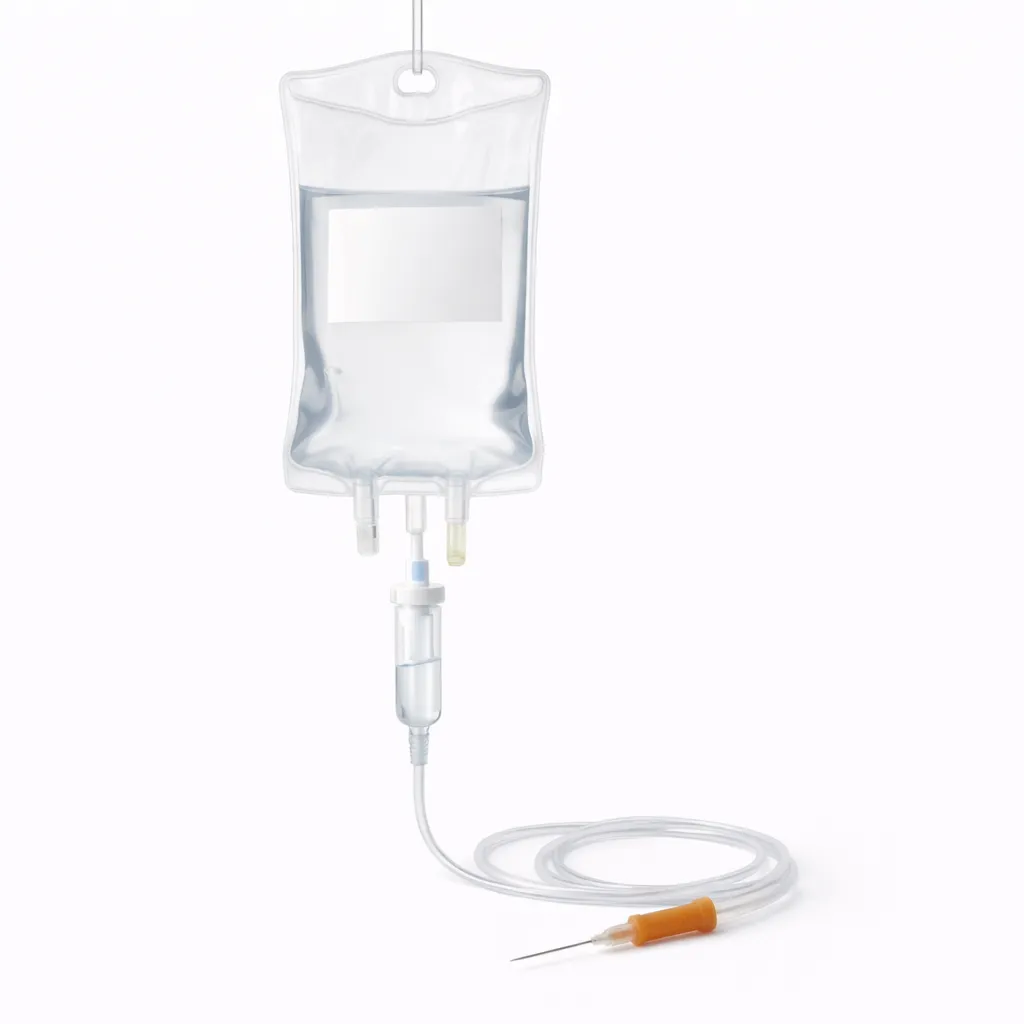
Description
VANLID 500 MG INFUSION INJ
Indications
VANLID 500 MG INFUSION INJ is primarily indicated for the treatment of serious infections caused by susceptible strains of Gram-positive bacteria, particularly those resistant to other antibiotics. It is commonly used in the management of complicated skin and soft tissue infections, pneumonia, and bacteremia. The infusion is particularly beneficial for patients with infections caused by methicillin-resistant Staphylococcus aureus (MRSA) and other resistant organisms.
Mechanism of Action
VANLID, the active ingredient in VANLID 500 MG INFUSION INJ, is a glycopeptide antibiotic that exerts its antibacterial effects by inhibiting bacterial cell wall synthesis. It binds specifically to the D-alanyl-D-alanine terminus of cell wall precursor units, which disrupts the formation of the peptidoglycan layer essential for bacterial cell wall integrity. This action leads to cell lysis and ultimately results in bacterial death. The unique mechanism of action makes VANLID effective against a broad spectrum of Gram-positive bacteria, including those that are resistant to beta-lactam antibiotics.
Pharmacological Properties
VANLID 500 MG INFUSION INJ has a favorable pharmacokinetic profile. Following intravenous administration, it achieves peak plasma concentrations rapidly, with a volume of distribution that indicates extensive tissue penetration. The drug is primarily eliminated through renal excretion, and its half-life is approximately 6 to 8 hours in patients with normal renal function. The pharmacodynamics of VANLID suggest that its efficacy is related to the time above the minimum inhibitory concentration (MIC) of the target organism, emphasizing the importance of appropriate dosing regimens.
Contraindications
VANLID 500 MG INFUSION INJ is contraindicated in patients with a known hypersensitivity to VANLID or any of its components. Caution should also be exercised in patients with a history of hypersensitivity reactions to other glycopeptide antibiotics. Additionally, the use of VANLID is not recommended in patients with severe renal impairment unless the potential benefits outweigh the risks, as dosage adjustments may be necessary.
Side Effects
Common side effects associated with the use of VANLID 500 MG INFUSION INJ include infusion-related reactions such as flushing, rash, and pruritus. Other potential side effects may include nephrotoxicity, particularly in patients with pre-existing renal conditions, and ototoxicity, which can manifest as tinnitus or hearing loss. Less frequently, patients may experience gastrointestinal disturbances, including nausea and vomiting. It is important for healthcare providers to monitor patients for these adverse effects throughout the course of treatment.
Dosage and Administration
The recommended dosage of VANLID 500 MG INFUSION INJ varies depending on the severity of the infection and the patient’s renal function. For adults, the typical dose is 1 gram administered intravenously every 12 hours for complicated skin and soft tissue infections or every 24 hours for pneumonia and bacteremia. In patients with renal impairment, dosage adjustments are necessary to prevent accumulation and potential toxicity. The infusion should be administered over a period of 60 minutes to minimize the risk of infusion-related reactions.
Interactions
VANLID 500 MG INFUSION INJ may interact with other medications, potentially altering their effectiveness or increasing the risk of adverse effects. Notably, concomitant use with nephrotoxic agents such as aminoglycosides may enhance the risk of renal toxicity. Additionally, the use of VANLID with other antibiotics should be approached with caution, as it may lead to altered susceptibility patterns. Healthcare providers should conduct a thorough medication review to identify potential drug interactions prior to initiating treatment with VANLID.
Precautions
Before administering VANLID 500 MG INFUSION INJ, it is essential to assess the patient’s medical history, particularly regarding renal function and any previous hypersensitivity reactions. Patients should be monitored for signs of nephrotoxicity, especially those with pre-existing renal impairment or those receiving concurrent nephrotoxic medications. Regular monitoring of renal function and hearing is recommended during prolonged therapy. In addition, healthcare providers should be vigilant for signs of infusion-related reactions and be prepared to manage them promptly.
Clinical Studies
Clinical studies have demonstrated the efficacy and safety of VANLID 500 MG INFUSION INJ in treating serious infections caused by Gram-positive bacteria. In a randomized controlled trial, VANLID was shown to be as effective as standard therapy in treating complicated skin and soft tissue infections, with a comparable safety profile. Another study highlighted its effectiveness in treating MRSA bacteremia, showing significant clinical improvement in a substantial percentage of patients. These studies reinforce the role of VANLID as a critical therapeutic option in the management of resistant infections.
Conclusion
VANLID 500 MG INFUSION INJ is a vital antibiotic in the treatment of serious infections caused by resistant Gram-positive bacteria. Its unique mechanism of action, pharmacological properties, and clinical efficacy make it an important tool in the fight against antibiotic resistance. However, careful consideration of contraindications, potential side effects, and drug interactions is essential to ensure safe and effective use. Ongoing monitoring and patient assessment are crucial components of therapy to optimize outcomes and minimize risks.
Important
It is essential to use VANLID 500 MG INFUSION INJ responsibly and under the guidance of a qualified healthcare professional. Adherence to prescribed dosages and monitoring for side effects can help ensure the safe and effective use of this medication.

