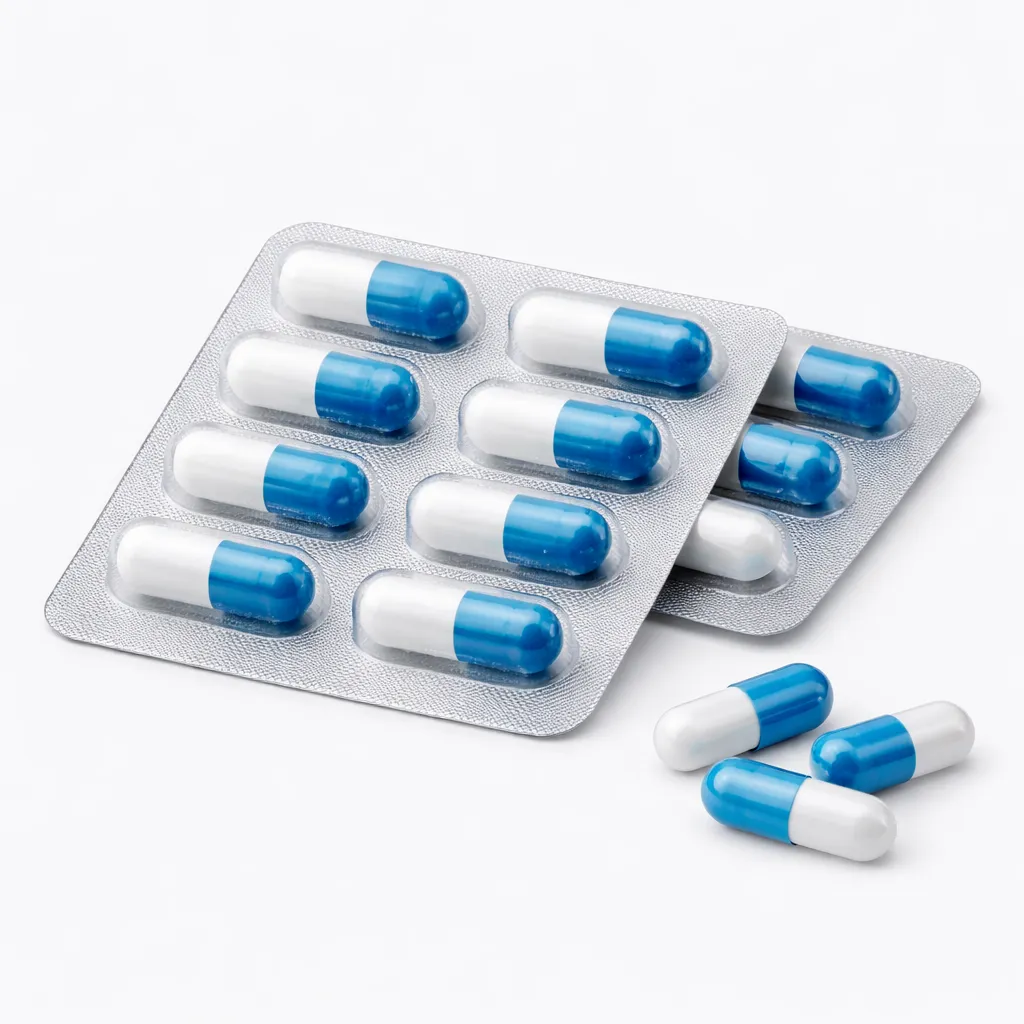
Description
VENLAF ER 75 MG
Indications
Venlafaxine extended-release (ER) 75 mg is primarily indicated for the treatment of major depressive disorder (MDD), generalized anxiety disorder (GAD), social anxiety disorder (SAD), and panic disorder. It is often prescribed when patients exhibit symptoms of depression or anxiety that significantly impair their daily functioning. The medication may also be used off-label for conditions such as obsessive-compulsive disorder (OCD) and post-traumatic stress disorder (PTSD).
Mechanism of Action
Venlafaxine is classified as a serotonin-norepinephrine reuptake inhibitor (SNRI). It works by increasing the levels of neurotransmitters serotonin and norepinephrine in the brain, which are believed to have a good influence on mood, emotion, and anxiety. By inhibiting the reuptake of these neurotransmitters, venlafaxine enhances their availability in the synaptic cleft, leading to improved mood and reduced anxiety symptoms. At lower doses, venlafaxine primarily inhibits the reuptake of serotonin, while at higher doses, it also inhibits norepinephrine reuptake.
Pharmacological Properties
Venlafaxine is well absorbed after oral administration, with a bioavailability of approximately 45%. The drug undergoes extensive first-pass metabolism in the liver, primarily by the cytochrome P450 enzyme system, particularly CYP2D6, to its active metabolite, O-desmethylvenlafaxine (ODV). The half-life of venlafaxine is around 5 hours, while ODV has a half-life of approximately 11 hours. The medication is primarily excreted in urine, with about 87% of the dose eliminated as metabolites.
Contraindications
Venlafaxine is contraindicated in patients who have a known hypersensitivity to venlafaxine or any of its components. It should not be used in conjunction with monoamine oxidase inhibitors (MAOIs) or within 14 days of discontinuing an MAOI due to the risk of serotonin syndrome, a potentially life-threatening condition. Additionally, caution should be exercised in patients with a history of bipolar disorder, seizures, or those with significant cardiovascular conditions.
Side Effects
Common side effects associated with venlafaxine include nausea, headache, dizziness, insomnia, dry mouth, and constipation. Some patients may experience increased sweating, sexual dysfunction, and elevated blood pressure, particularly at higher doses. Serious side effects may include serotonin syndrome, increased risk of suicidal thoughts or behaviors, and severe allergic reactions. Patients should be monitored closely for any worsening of symptoms or emergence of new symptoms during treatment.
Dosage and Administration
The recommended starting dose of venlafaxine ER for adults is typically 75 mg once daily, which may be adjusted based on individual response and tolerability. The maximum recommended dose is 375 mg per day. It is important to take venlafaxine with food to enhance absorption and minimize gastrointestinal side effects. Patients should be advised to swallow the capsules whole and not to crush or chew them, as this may lead to rapid release of the drug and increase the risk of side effects.
Interactions
Venlafaxine may interact with various medications, which can alter its effectiveness or increase the risk of adverse effects. Notable interactions include those with other antidepressants, particularly MAOIs, SSRIs, and other SNRIs, which can lead to serotonin syndrome. Additionally, drugs that inhibit CYP2D6, such as certain antipsychotics and fluoxetine, can increase venlafaxine levels. Alcohol should be avoided, as it can exacerbate the sedative effects of venlafaxine. Patients should inform their healthcare provider about all medications they are taking to avoid potential interactions.
Precautions
Before initiating treatment with venlafaxine, a comprehensive assessment of the patient’s medical history is essential. Caution should be exercised in patients with a history of hypertension, as venlafaxine can elevate blood pressure, particularly at higher doses. Regular monitoring of blood pressure is recommended during treatment. Additionally, patients with a history of seizures or those with a risk of seizures should be monitored closely. It is also important to assess the risk of suicidal thoughts or behaviors, particularly in younger patients and those with a history of depression.
Clinical Studies
Numerous clinical studies have demonstrated the efficacy of venlafaxine in treating major depressive disorder and anxiety disorders. In a randomized controlled trial involving patients with MDD, venlafaxine ER was shown to significantly reduce depressive symptoms compared to placebo. Other studies have indicated that venlafaxine is effective in reducing anxiety symptoms in patients with GAD and SAD. Long-term studies have also suggested that venlafaxine can maintain symptom relief over extended periods, making it a viable option for chronic management of these conditions.
Conclusion
Venlafaxine ER 75 mg is an effective medication for the treatment of major depressive disorder and various anxiety disorders. Its dual mechanism of action as a serotonin-norepinephrine reuptake inhibitor makes it a valuable option for patients who may not respond to traditional selective serotonin reuptake inhibitors (SSRIs). While generally well-tolerated, it is important for healthcare providers to monitor patients for side effects and potential interactions with other medications. A thorough assessment of the patient’s medical history and ongoing evaluation during treatment can help ensure the safe and effective use of venlafaxine.
Important
It is crucial to use venlafaxine responsibly and under the supervision of a qualified healthcare provider. Patients should adhere to prescribed dosages and report any concerning symptoms to their physician. This medication may not be suitable for everyone, and a healthcare professional can provide guidance tailored to individual health needs.