Description
VENLOR-XR 37.5 MG
Indications
VENLOR-XR 37.5 mg, a formulation of venlafaxine extended-release, is primarily indicated for the treatment of major depressive disorder (MDD) in adults. It is also utilized in the management of generalized anxiety disorder (GAD), social anxiety disorder (SAD), and panic disorder. The medication may help alleviate symptoms associated with these conditions, improving overall mood and functioning.
Mechanism of Action
VENLOR-XR functions as a serotonin-norepinephrine reuptake inhibitor (SNRI). It selectively inhibits the reuptake of serotonin and norepinephrine in the synaptic cleft, leading to increased concentrations of these neurotransmitters in the brain. This dual action is believed to contribute to its therapeutic effects in mood and anxiety disorders. By enhancing serotonergic and noradrenergic neurotransmission, VENLOR-XR aids in restoring balance in the brain’s chemical systems, which may be disrupted in individuals suffering from depression and anxiety.
Pharmacological Properties
VENLOR-XR is characterized by its extended-release formulation, which allows for once-daily dosing. The pharmacokinetics of venlafaxine indicate that it is rapidly absorbed, with peak plasma concentrations typically occurring within 7 hours after administration. The drug is extensively metabolized in the liver, primarily by cytochrome P450 enzymes, resulting in the active metabolite O-desmethylvenlafaxine (ODV). The half-life of VENLOR-XR is approximately 5 hours, but its extended-release formulation prolongs the duration of action, providing sustained therapeutic effects throughout the day.
Contraindications
VENLOR-XR is contraindicated in patients with a known hypersensitivity to venlafaxine or any of its components. It should not be used in conjunction with monoamine oxidase inhibitors (MAOIs), as this combination can lead to serious, potentially life-threatening reactions such as serotonin syndrome. Additionally, the use of VENLOR-XR is cautioned against in patients with uncontrolled hypertension, as it may elevate blood pressure.
Side Effects
Common side effects associated with VENLOR-XR include nausea, dizziness, dry mouth, insomnia, constipation, and increased sweating. Some patients may experience sexual dysfunction, including decreased libido and difficulty achieving orgasm. Serious side effects, although less common, may include elevated blood pressure, serotonin syndrome, and an increased risk of suicidal thoughts or behaviors, particularly in younger populations. Patients should be monitored closely for any signs of worsening depression or unusual changes in behavior.
Dosage and Administration
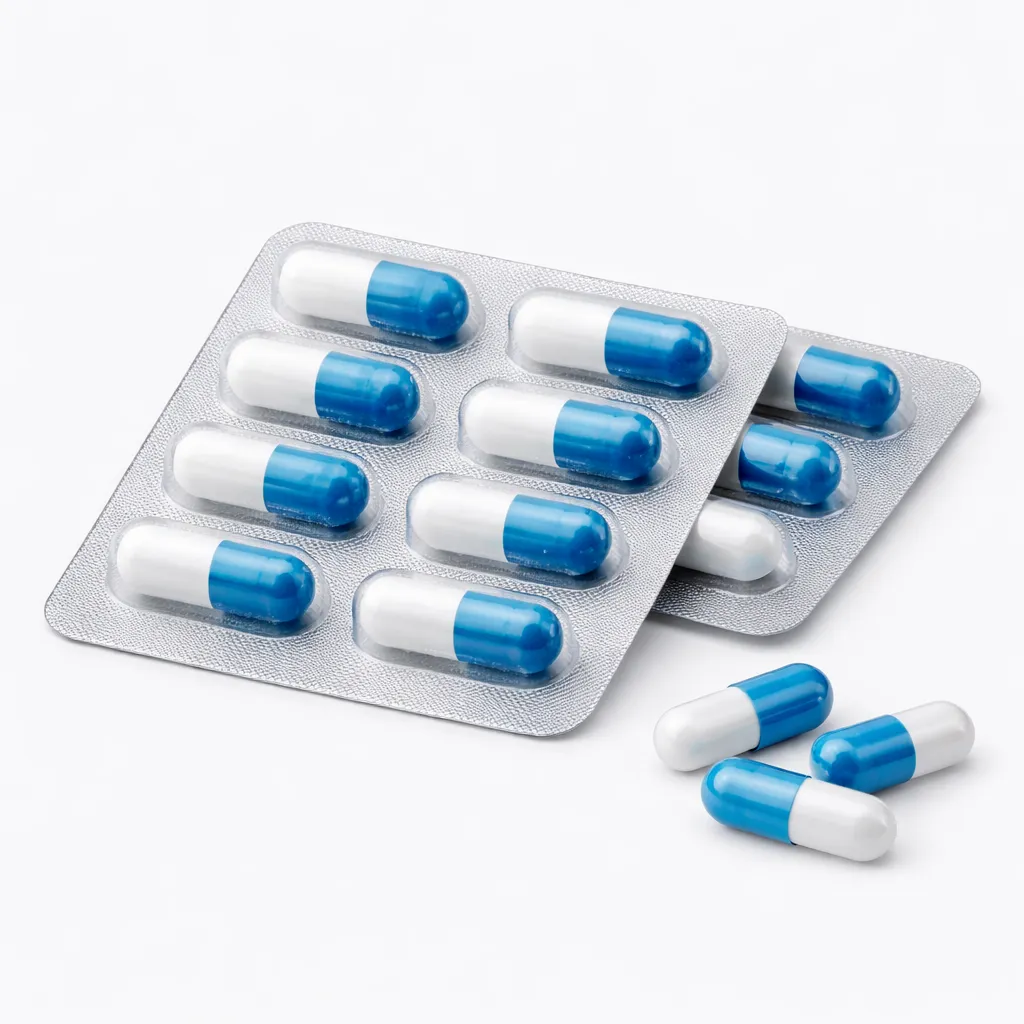
The recommended starting dose of VENLOR-XR for adults is 37.5 mg once daily, which can be increased based on clinical response and tolerability. The maximum recommended dose is 225 mg per day. It is essential to titrate the dosage gradually to minimize the risk of side effects and to allow the patient to adjust to the medication. VENLOR-XR should be taken with food to enhance absorption and reduce gastrointestinal side effects. Patients should be advised to swallow the capsules whole and not to crush or chew them.
Interactions
VENLOR-XR may interact with various medications, potentially altering their effects. Co-administration with other serotonergic agents, such as selective serotonin reuptake inhibitors (SSRIs), triptans, or other SNRIs, increases the risk of serotonin syndrome. Additionally, the use of venlafaxine with anticoagulants or antiplatelet agents may heighten the risk of bleeding. It is crucial for healthcare providers to review all medications a patient is taking to avoid potential interactions and to adjust dosages as necessary.
Precautions
Before initiating treatment with VENLOR-XR, healthcare providers should assess patients for a history of bipolar disorder, as the medication may induce manic episodes. Caution is advised in patients with a history of seizures, as venlafaxine may lower the seizure threshold. Regular monitoring of blood pressure is recommended, particularly in patients with hypertension or those receiving other medications that may affect blood pressure. Patients should also be informed about the potential for withdrawal symptoms if the medication is abruptly discontinued, and a gradual tapering of the dose is often recommended.
Clinical Studies
Numerous clinical studies have evaluated the efficacy and safety of VENLOR-XR in treating major depressive disorder and anxiety disorders. A randomized, double-blind, placebo-controlled trial demonstrated that venlafaxine extended-release significantly improved depressive symptoms compared to placebo, with a favorable safety profile. Another study focused on generalized anxiety disorder showed that patients treated with VENLOR-XR experienced significant reductions in anxiety symptoms, which were sustained over the course of treatment. These studies support the use of VENLOR-XR as an effective option for managing mood and anxiety disorders.
Conclusion
VENLOR-XR 37.5 mg is a valuable therapeutic option for individuals suffering from major depressive disorder and various anxiety disorders. Its dual mechanism of action as a serotonin-norepinephrine reuptake inhibitor offers a unique approach to restoring neurotransmitter balance in the brain. While generally well-tolerated, it is important for patients and healthcare providers to be aware of potential side effects, contraindications, and drug interactions. Regular monitoring and a collaborative approach to treatment can enhance the effectiveness of VENLOR-XR and improve patient outcomes.
Important
It is essential to use VENLOR-XR responsibly and under the guidance of a qualified healthcare professional. Patients should adhere to prescribed dosages and report any concerning side effects to their provider promptly.