Description
XYLOCAINE 2% JELLY 50GM
Indications
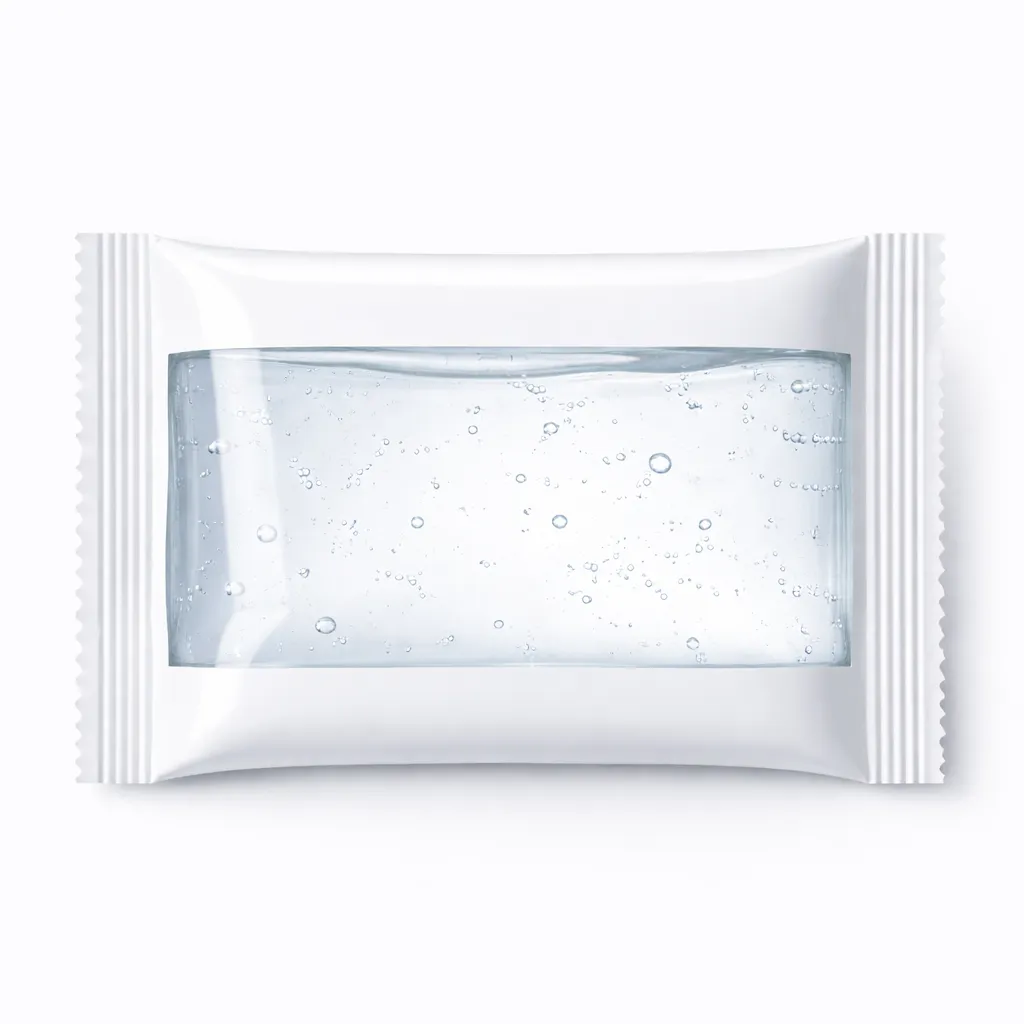
XYLOCAINE 2% JELLY is primarily indicated for local anesthesia in various medical procedures. It is commonly used to relieve pain during diagnostic and therapeutic interventions, such as endoscopy, catheterization, and minor surgical procedures. The jelly formulation allows for easy application and effective penetration of the anesthetic agent, making it suitable for use in mucosal surfaces, including the urethra, vagina, and rectum. Additionally, it can be utilized in dental procedures to numb the oral cavity.
Mechanism of Action
XYLOCAINE contains lidocaine as its active ingredient, which is a local anesthetic belonging to the amide group. The mechanism of action of lidocaine involves the reversible blockade of sodium channels in neuronal cell membranes. By inhibiting sodium influx, lidocaine prevents the generation and conduction of nerve impulses, leading to a loss of sensation in the targeted area. The onset of action is rapid, typically within 2 to 5 minutes, and the duration of anesthesia can last from 30 minutes to several hours, depending on the site of application and individual patient factors.
Pharmacological Properties
XYLOCAINE 2% JELLY exhibits several pharmacological properties that enhance its effectiveness as a local anesthetic. The jelly formulation provides a viscous consistency that adheres well to mucosal surfaces, ensuring prolonged contact and enhanced absorption. Lidocaine is well-absorbed through mucosal tissues, leading to effective anesthesia with minimal systemic absorption. The pH of the formulation is adjusted to optimize the stability and solubility of lidocaine, thus facilitating rapid onset of action. The drug is metabolized primarily in the liver and excreted through the kidneys, which is important for considering patient-specific factors such as liver function and renal health.
Contraindications
XYLOCAINE 2% JELLY should not be used in patients with a known hypersensitivity to lidocaine or other amide-type local anesthetics. It is also contraindicated in patients with severe heart block, unless a functioning pacemaker is in place. Caution should be exercised in patients with a history of allergic reactions to local anesthetics, as well as those with significant hepatic impairment, as this may affect drug metabolism and increase the risk of systemic toxicity.
Side Effects
While XYLOCAINE 2% JELLY is generally well-tolerated, some patients may experience side effects. Common side effects include localized reactions such as burning, stinging, or redness at the application site. Systemic side effects, though rare, can occur, particularly if the drug is absorbed in significant amounts. These may include dizziness, drowsiness, blurred vision, and in severe cases, seizures or cardiac arrhythmias. Patients should be monitored for any signs of systemic toxicity, especially in procedures involving large doses or extensive mucosal application.
Dosage and Administration
The dosage of XYLOCAINE 2% JELLY varies depending on the specific procedure and the area being treated. For most applications, a small amount of jelly is applied directly to the mucosal surface. For urethral catheterization, approximately 5 to 10 grams may be used, while for other procedures, the amount may be adjusted based on the extent of anesthesia required. It is important to follow specific guidelines provided by healthcare professionals and to avoid exceeding the recommended dosage to minimize the risk of adverse effects. The jelly can be administered using a syringe or applied directly from the tube, ensuring that the area is adequately covered.
Interactions
XYLOCAINE 2% JELLY may interact with other medications, particularly those affecting the cardiovascular system. Concurrent use of other local anesthetics or agents that can depress the central nervous system may enhance the risk of systemic toxicity. Additionally, medications that alter liver enzyme activity can affect the metabolism of lidocaine, leading to increased plasma levels and a higher risk of adverse effects. It is essential for healthcare providers to review a patient’s complete medication history to identify any potential interactions before administration.
Precautions
Precautions should be taken when using XYLOCAINE 2% JELLY in certain populations. Special care is advised in elderly patients, as they may have altered pharmacokinetics and increased sensitivity to local anesthetics. Patients with pre-existing cardiovascular conditions, respiratory disorders, or neurological diseases should also be closely monitored during and after the procedure. It is important to ensure that the jelly is not applied to broken or inflamed skin, as this may increase the risk of systemic absorption and toxicity. Additionally, healthcare providers should be prepared to manage any potential adverse reactions promptly.
Clinical Studies
Clinical studies have demonstrated the efficacy and safety of XYLOCAINE 2% JELLY in various medical applications. Research indicates that lidocaine is effective in providing local anesthesia for procedures such as cystoscopy, urethral catheterization, and gynecological examinations. In a randomized controlled trial, patients receiving lidocaine jelly reported significantly lower pain levels during procedures compared to those receiving placebo. Furthermore, the jelly formulation has been shown to reduce the need for additional analgesia, thereby enhancing patient comfort and satisfaction. Ongoing studies continue to explore the optimal use of XYLOCAINE 2% JELLY in different clinical settings.
Conclusion
XYLOCAINE 2% JELLY is a valuable local anesthetic used in a variety of medical procedures. Its effective mechanism of action, favorable pharmacological properties, and ease of administration make it a preferred choice for healthcare professionals. While generally safe, it is important to be aware of contraindications, potential side effects, and interactions with other medications. Proper dosage and administration techniques, along with appropriate patient monitoring, are essential to ensure the safe and effective use of this product. As with any medical treatment, healthcare providers should educate patients on the use of XYLOCAINE 2% JELLY and address any concerns they may have regarding its application.
Important
It is crucial to use XYLOCAINE 2% JELLY responsibly and under the guidance of a qualified healthcare professional. Misuse or overuse can lead to serious complications. Always follow the prescribed dosage and administration instructions.