
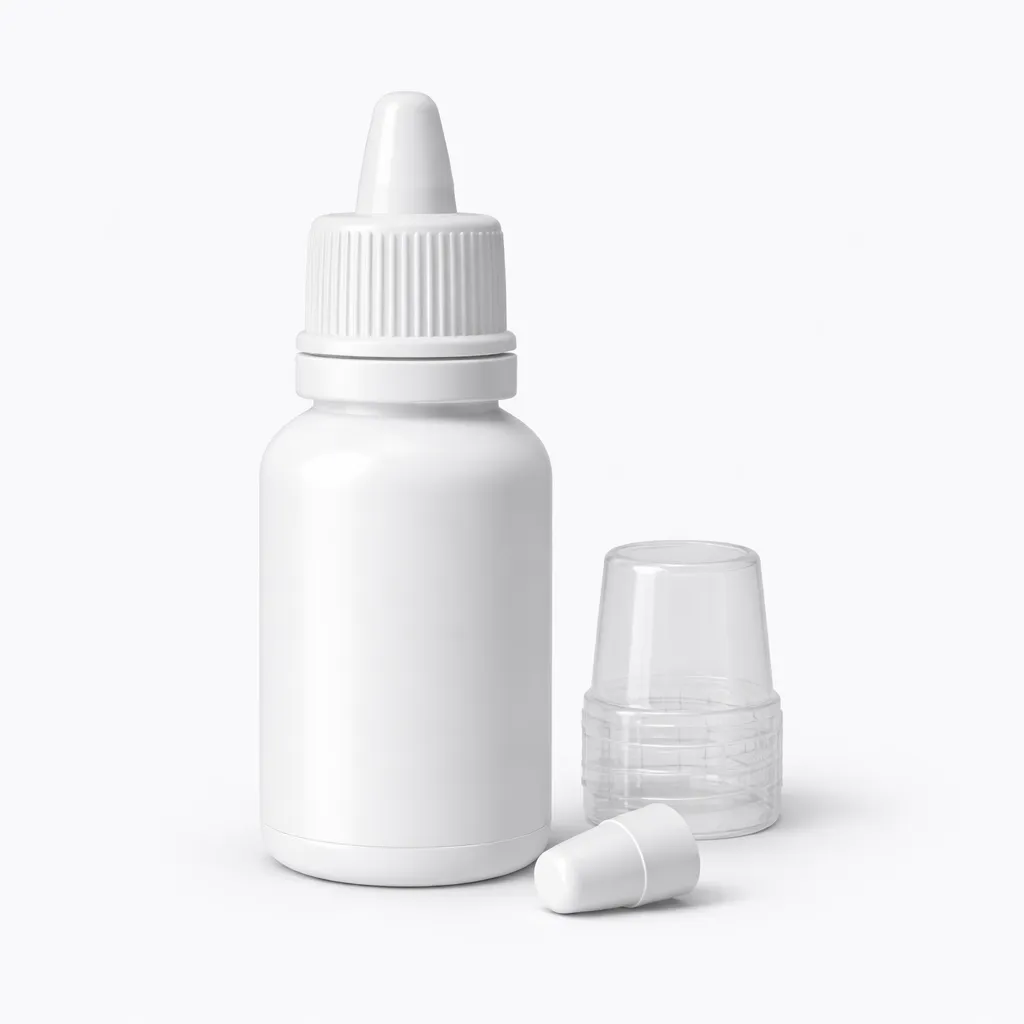
Description
ZAHA 1% EYE DROP 3ML
Indications
ZAHA 1% Eye Drop is primarily indicated for the treatment of allergic conjunctivitis, which is characterized by inflammation of the conjunctiva due to allergens. It is also utilized in the management of dry eye syndrome, providing relief from symptoms such as irritation, redness, and discomfort. Additionally, ZAHA may be prescribed for patients undergoing certain ocular surgeries to alleviate inflammation and promote healing.
Mechanism of Action
ZAHA 1% Eye Drop contains the active ingredient ketotifen, an antihistamine that works by blocking the action of histamine at the H1 receptor sites in the body. Histamine is a chemical released during allergic reactions, leading to symptoms such as itching, redness, and swelling. By inhibiting histamine’s effects, ZAHA helps to reduce these symptoms, providing relief for patients suffering from allergic conjunctivitis. Furthermore, ketotifen has mast cell stabilizing properties, which prevent the release of additional histamine and other inflammatory mediators, thereby enhancing its therapeutic effect.
Pharmacological Properties
ZAHA 1% Eye Drop exhibits a rapid onset of action, typically providing relief within minutes of administration. The pharmacokinetics of ketotifen indicate that it is well-absorbed through the ocular surface, allowing for effective local concentration at the site of action. The eye drops are formulated to ensure optimal viscosity and stability, enhancing the retention time on the ocular surface. The systemic absorption of ketotifen is minimal, reducing the risk of systemic side effects associated with oral antihistamines.
Contraindications
ZAHA 1% Eye Drop is contraindicated in individuals with a known hypersensitivity to ketotifen or any of the excipients in the formulation. Patients with a history of severe allergic reactions or those who have experienced anaphylaxis should avoid using this product. Additionally, it is not recommended for use in children under the age of three years without medical advice. Caution should be exercised in patients with pre-existing ocular conditions or those undergoing concurrent ocular therapies.
Side Effects
Common side effects associated with the use of ZAHA 1% Eye Drop may include transient stinging or burning upon instillation, dry eyes, and blurred vision. These effects are generally mild and self-limiting. In rare cases, patients may experience more severe reactions such as allergic conjunctivitis, eyelid swelling, or eye pain. If any severe or persistent side effects occur, it is essential to discontinue use and consult a healthcare professional immediately.
Dosage and Administration
The recommended dosage for adults and children over the age of three is one drop of ZAHA 1% Eye Drop in the affected eye(s) twice daily, or as directed by a healthcare provider. It is important to avoid touching the dropper tip to any surface, including the eye, to prevent contamination. Patients should be advised to wash their hands before application and to gently pull down the lower eyelid to create a small pocket before instilling the drop. After administration, patients should close their eyes for a few moments to enhance absorption and minimize systemic exposure.
Interactions
Currently, there are no well-documented drug interactions with ZAHA 1% Eye Drop. However, caution is advised when using other ocular medications concurrently. Patients should be instructed to wait at least 5 to 10 minutes between administering different eye drops to ensure optimal absorption and efficacy of each medication. It is also recommended to inform healthcare providers of all medications being taken, including over-the-counter products and supplements.
Precautions
Patients using ZAHA 1% Eye Drop should be cautioned against driving or operating heavy machinery immediately after administration, as temporary blurred vision may occur. It is essential for individuals with contact lenses to remove them prior to applying the eye drops and to wait at least 15 minutes before reinserting them. Pregnant and breastfeeding women should consult their healthcare provider before using this product to weigh the potential benefits against any risks. Regular follow-up appointments are recommended to monitor the condition and adjust treatment as necessary.
Clinical Studies
Clinical studies have demonstrated the efficacy of ketotifen in the management of allergic conjunctivitis and dry eye syndrome. A randomized controlled trial published in the Journal of Allergy and Clinical Immunology showed that patients receiving ketotifen eye drops experienced significant improvement in symptoms compared to those receiving placebo. Another study highlighted the safety profile of ketotifen, with minimal systemic absorption and a low incidence of adverse effects. These findings support the use of ZAHA 1% Eye Drop as a safe and effective treatment option for patients suffering from allergic eye conditions.
Conclusion
ZAHA 1% Eye Drop is a valuable therapeutic option for individuals experiencing allergic conjunctivitis and dry eye syndrome. Its dual mechanism of action, as both an antihistamine and mast cell stabilizer, provides comprehensive relief from ocular allergy symptoms. With a favorable safety profile and minimal systemic absorption, ZAHA is suitable for a wide range of patients. As with any medication, it is crucial for patients to adhere to the prescribed dosage and consult their healthcare provider with any concerns or questions regarding their treatment.
Important
It is essential to use ZAHA 1% Eye Drop responsibly and as directed by a healthcare professional. Patients should be aware of their individual health needs and consult with their doctor regarding any potential risks or side effects associated with its use.
