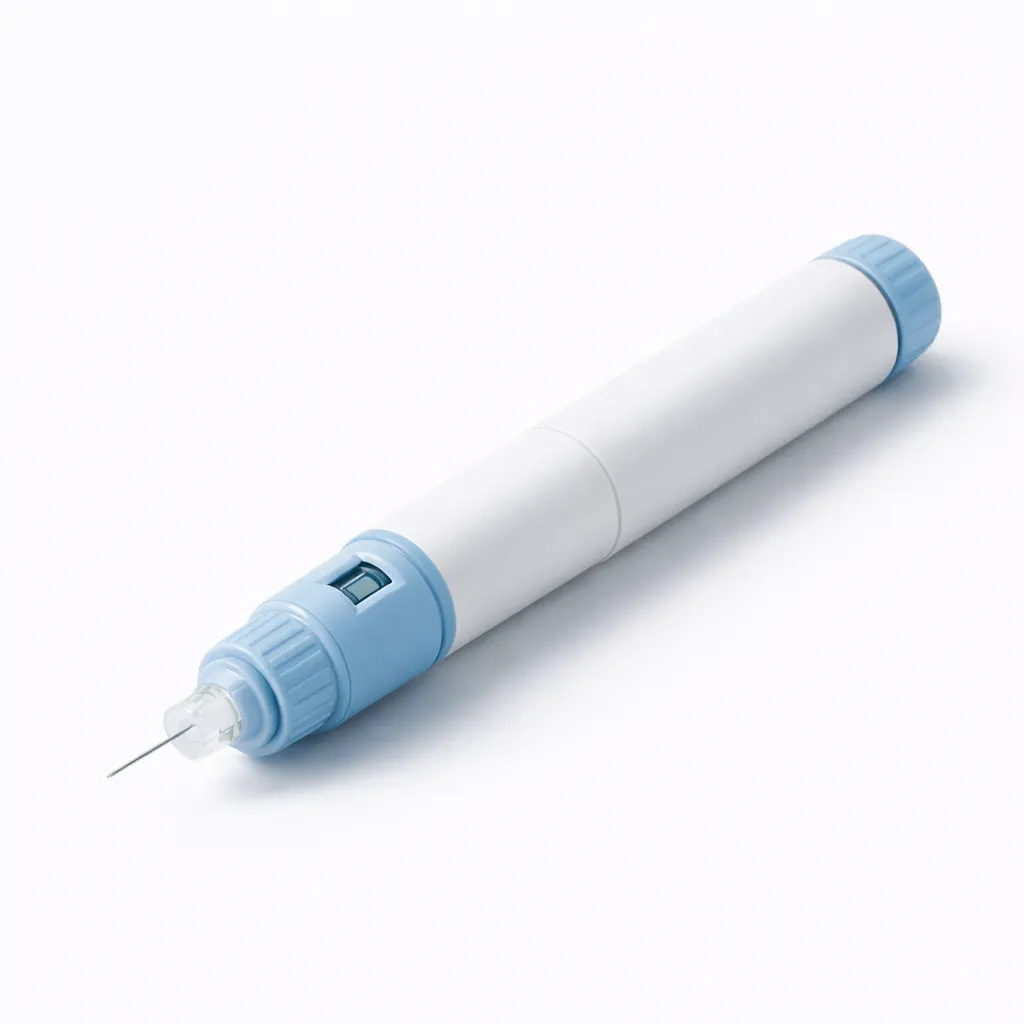
Description
ZARBOSE- M 0.3 MG
Indications
ZARBOSE- M 0.3 MG is primarily indicated for the management of type 2 diabetes mellitus. It is prescribed to help control blood glucose levels in conjunction with diet and exercise. This medication is particularly beneficial for patients who require additional glycemic control when other antidiabetic agents are insufficient. ZARBOSE- M may also be used in combination with other antidiabetic medications to enhance overall efficacy in glucose management.
Mechanism of Action
The active ingredient in ZARBOSE- M is Acarbose, an alpha-glucosidase inhibitor. It works by delaying the digestion and absorption of carbohydrates in the intestines. By inhibiting the enzymes responsible for breaking down complex carbohydrates into simple sugars, ZARBOSE- M reduces the postprandial (after meal) rise in blood glucose levels. This mechanism helps in maintaining better glycemic control and reduces the risk of hyperglycemia in patients with type 2 diabetes.
Pharmacological Properties
ZARBOSE- M is characterized by its unique pharmacokinetic profile. After oral administration, Acarbose is minimally absorbed into the bloodstream, with approximately 2% of the dose reaching systemic circulation. The primary action occurs in the gastrointestinal tract, where it exerts its effects on carbohydrate metabolism. The onset of action typically occurs within a few hours after ingestion, with peak effects observed around 1-2 hours post-meal. The elimination half-life of Acarbose is approximately 2 hours, and it is primarily excreted through the feces.
Contraindications
ZARBOSE- M is contraindicated in patients with a history of hypersensitivity to Acarbose or any of its components. It should not be used in individuals with gastrointestinal disorders, such as inflammatory bowel disease, colonic ulceration, or chronic intestinal diseases that may be aggravated by increased gas production. Additionally, ZARBOSE- M is contraindicated in patients with severe renal impairment or liver disease, as these conditions may affect the drug’s metabolism and excretion.
Side Effects
Common side effects associated with ZARBOSE- M include gastrointestinal symptoms such as flatulence, diarrhea, and abdominal discomfort. These effects are primarily due to the fermentation of unabsorbed carbohydrates in the colon. Other less common side effects may include nausea, vomiting, and allergic reactions. In rare cases, severe hypoglycemia may occur, especially when ZARBOSE- M is used in combination with other antidiabetic medications. Patients should be monitored for these side effects, and appropriate management strategies should be employed if they arise.
Dosage and Administration
The recommended starting dose of ZARBOSE- M is 50 mg taken three times daily before meals. Depending on the patient’s tolerance and glycemic response, the dosage may be gradually increased to a maximum of 100 mg three times daily. It is essential for patients to adhere to the prescribed dosing schedule and to take the medication with the first bite of each meal to optimize its efficacy. Patients should also be advised to monitor their blood glucose levels regularly to assess the effectiveness of the treatment.
Interactions
ZARBOSE- M may interact with other medications, potentially altering their effectiveness or increasing the risk of side effects. Notably, the concurrent use of ZARBOSE- M with sulfonylureas or insulin can increase the risk of hypoglycemia. Patients should be counseled on the signs and symptoms of low blood sugar and the importance of monitoring their glucose levels. Additionally, the absorption of certain medications, such as digoxin and propranolol, may be affected by ZARBOSE- M, necessitating close monitoring and possible dosage adjustments.
Precautions
Patients should be advised to use ZARBOSE- M with caution, particularly those with pre-existing gastrointestinal conditions or those who are pregnant or breastfeeding. Regular monitoring of liver function and renal parameters is recommended, especially in patients with a history of liver disease or renal impairment. It is also essential for patients to maintain a balanced diet and adhere to their exercise regimen while on ZARBOSE- M to achieve optimal glycemic control.
Clinical Studies
Clinical studies have demonstrated the efficacy of ZARBOSE- M in controlling blood glucose levels in patients with type 2 diabetes. A randomized controlled trial published in the Journal of Diabetes Research showed that patients treated with Acarbose experienced a significant reduction in HbA1c levels compared to those receiving placebo. Furthermore, long-term studies have indicated that ZARBOSE- M can help reduce the risk of diabetes-related complications, such as cardiovascular disease and neuropathy, by maintaining better glycemic control over time.
Conclusion
ZARBOSE- M 0.3 MG is a valuable therapeutic option for individuals with type 2 diabetes mellitus, particularly for those who require additional support in managing their blood glucose levels. Its unique mechanism of action, combined with its gastrointestinal effects, offers a different approach to glycemic control. However, it is crucial for patients to be aware of potential side effects, drug interactions, and the importance of adhering to prescribed dosages. Regular monitoring and consultation with healthcare professionals are essential for optimizing treatment outcomes and ensuring safe use of ZARBOSE- M.
Important
It is essential to use ZARBOSE- M responsibly and under the guidance of a healthcare professional. Patients should ensure they are well-informed about the medication, its potential side effects, and the importance of lifestyle modifications in managing diabetes. Regular follow-ups and monitoring are crucial for safe and effective treatment.