Description
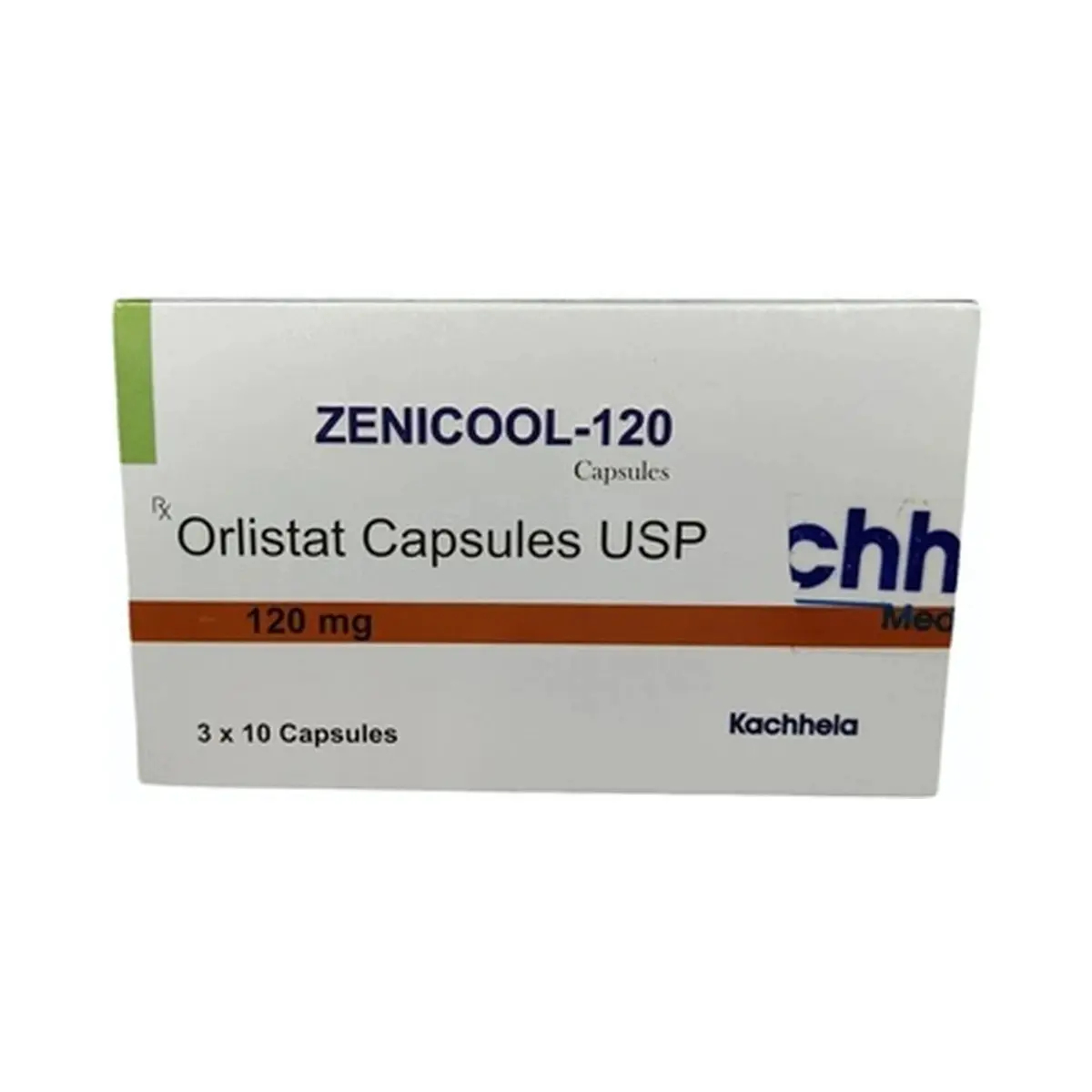
Zenicool (Orlistat) 120 mg
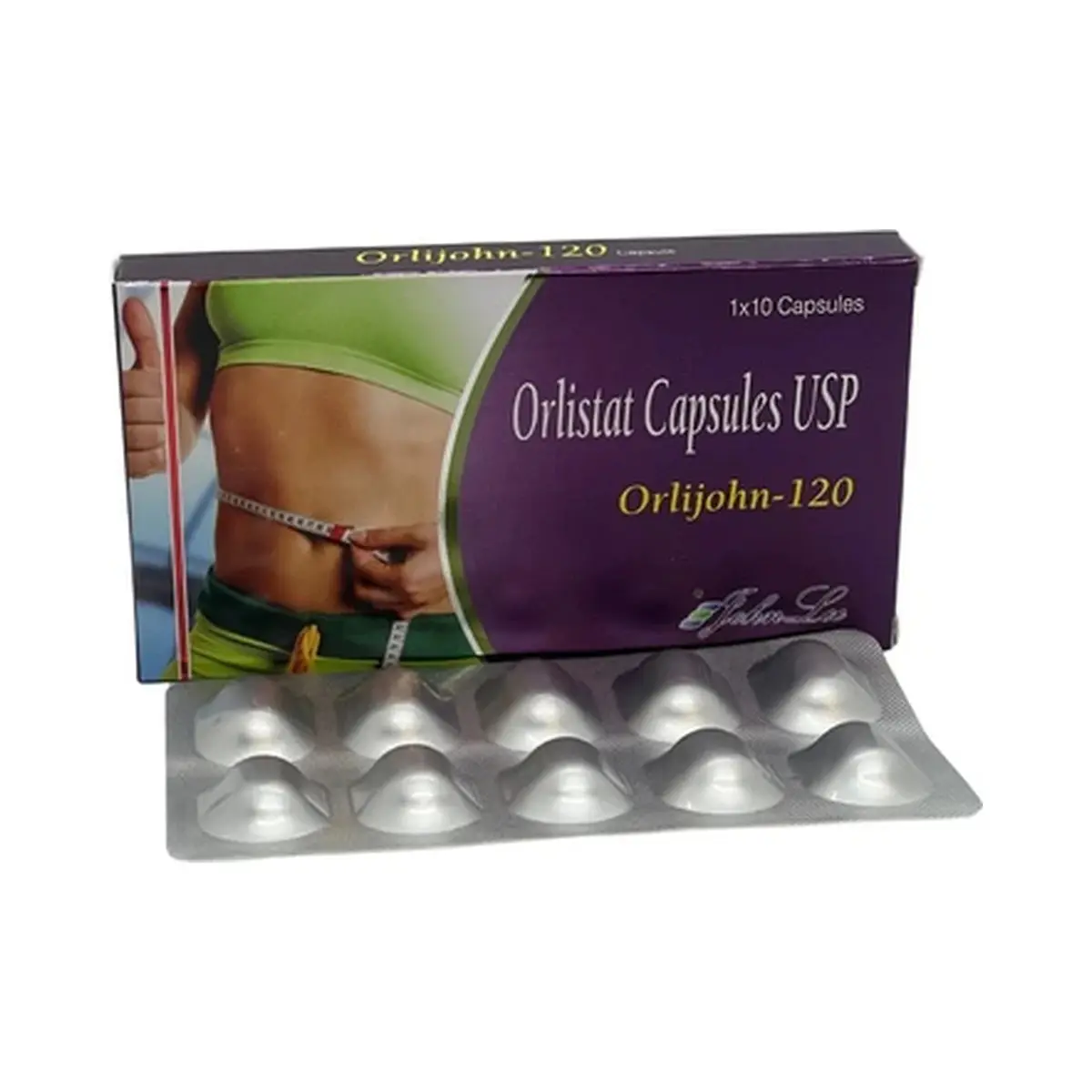
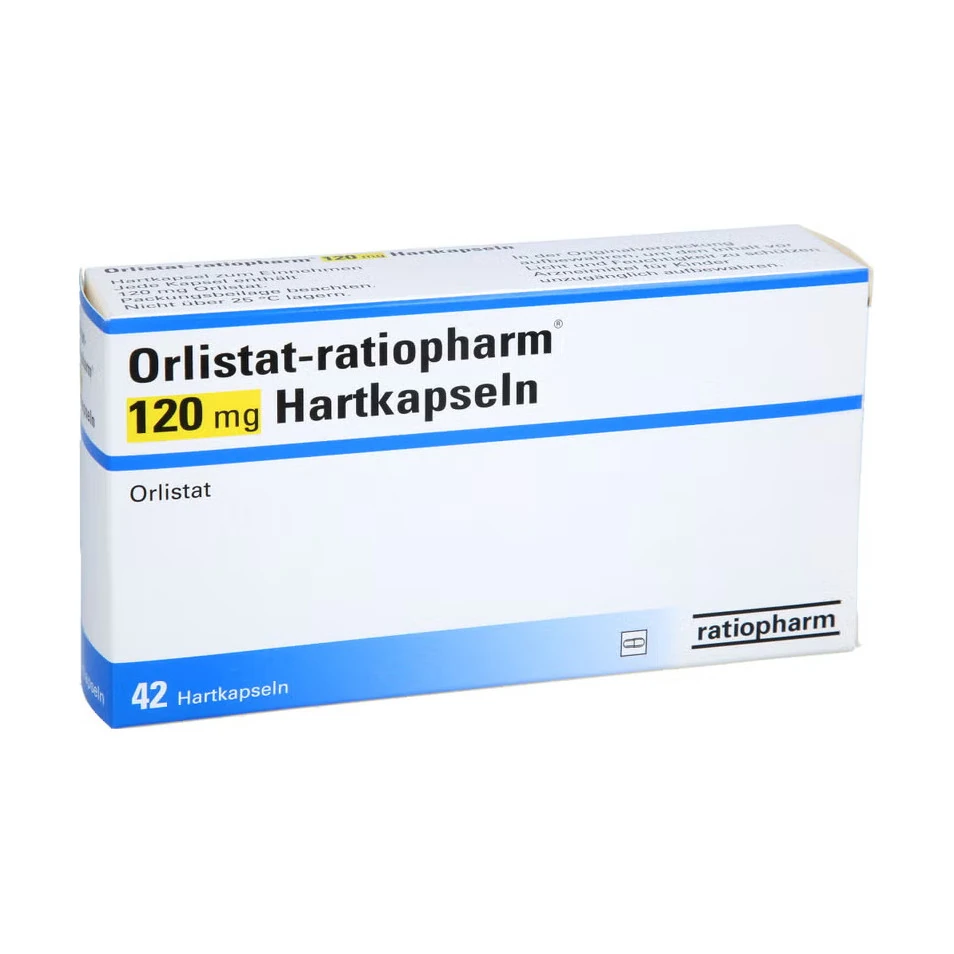
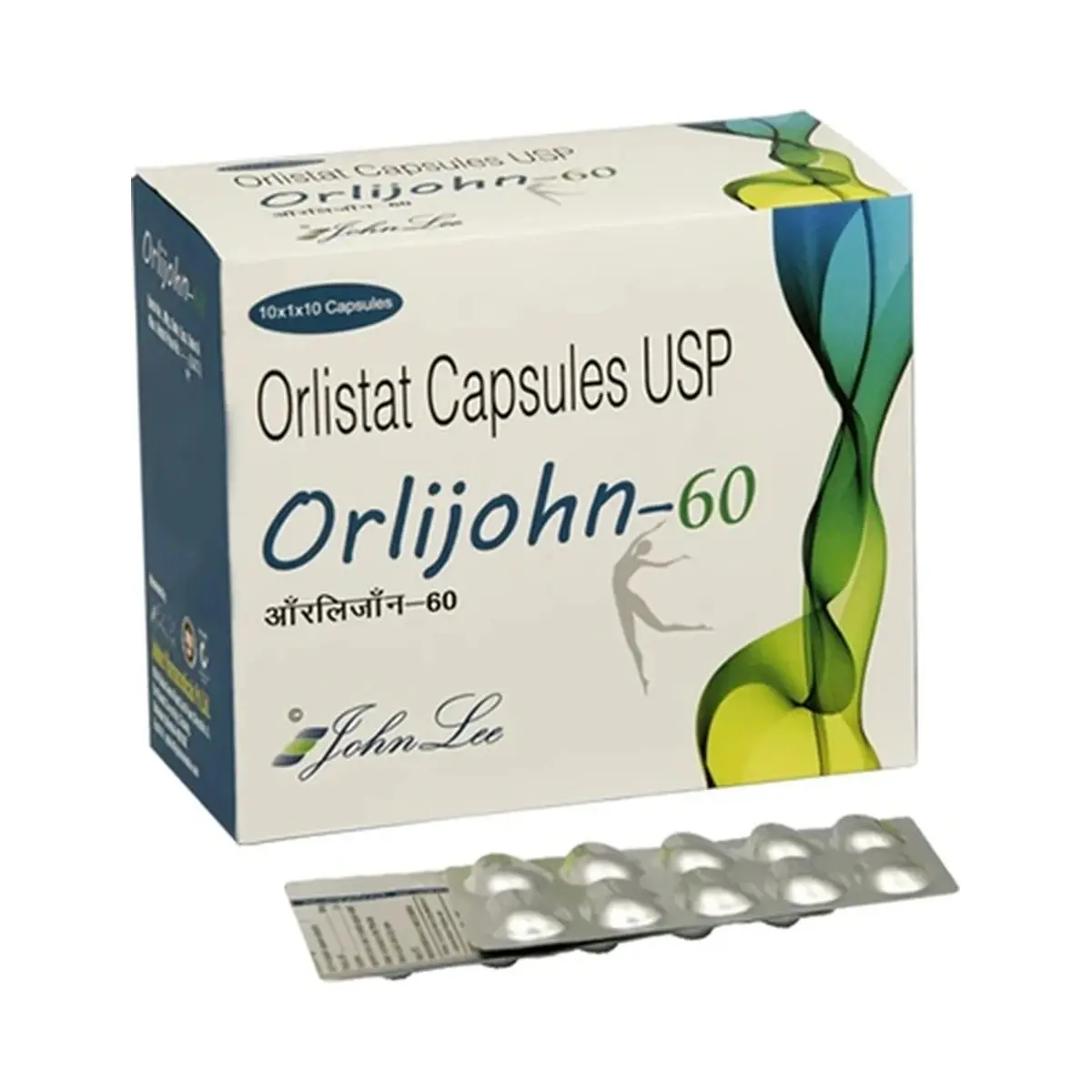
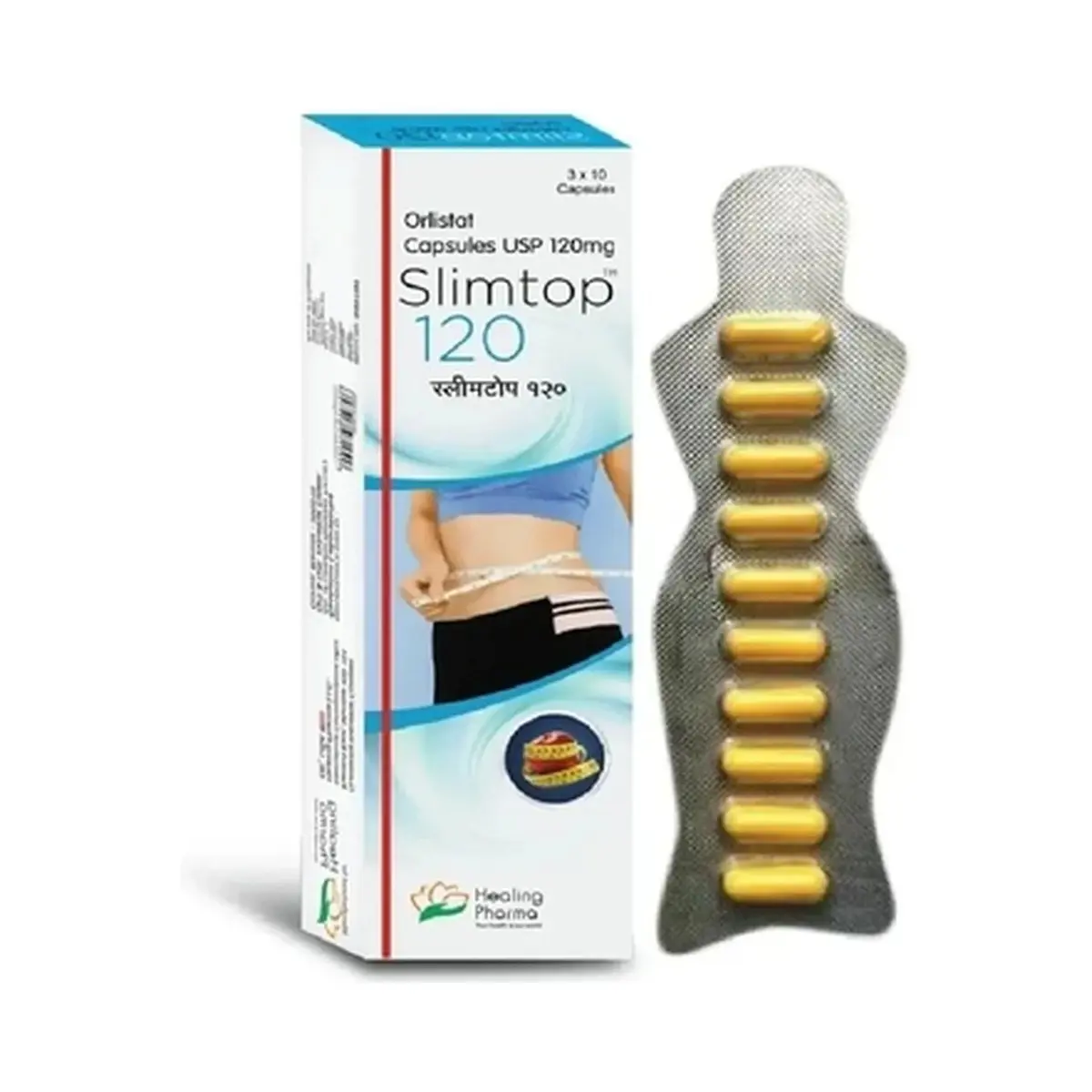
Zenicool 120 mg is identified as an oral capsule containing orlistat. Orlistat is an anti-obesity medicine used as an adjunct to dietary measures in weight management. It is a gastrointestinal lipase inhibitor with minimal systemic absorption.
Active Ingredient and Medicine Class
The verified active ingredient is orlistat. It belongs to the lipase inhibitor class of medicines. Regulatory information describes it as a locally acting agent in the gastrointestinal tract rather than a centrally acting appetite suppressant.
Established Medical Uses
Orlistat is established for the management of obesity as part of a reduced-calorie diet. It has also been studied in people with obesity and type 2 diabetes, where trials and reviews reported weight loss and some improvements in metabolic risk markers compared with placebo. It is not a standalone cure for obesity and its benefits are described in the context of lifestyle measures.
How It Works
Orlistat works in the gut by inhibiting gastric and pancreatic lipases, enzymes needed to break down dietary fat. By blocking this process, it reduces the absorption of part of the fat from meals, which lowers caloric uptake and can support weight-loss efforts.
Important Safety Information
Orlistat is contraindicated in pregnancy, chronic malabsorption syndrome, cholestasis, and known hypersensitivity to orlistat or its components. Important precautions include reduced absorption of fat-soluble vitamins and beta-carotene, potential interactions with cyclosporine, levothyroxine, warfarin, amiodarone, antiepileptic drugs, and some antiretroviral drugs, and the possibility of altered glycaemic control in people with diabetes. Regulatory labeling also reports rare but serious liver injury and cases of oxalate nephropathy with renal failure.
Possible Side Effects
The most commonly reported adverse effects are gastrointestinal and reflect the medicine’s mechanism. These include oily spotting, flatus with discharge, fecal urgency, fatty or oily stools, oily evacuation, increased defecation, and fecal incontinence. Less common but clinically important reactions include liver injury, gallstones, and kidney-related complications such as oxalate nephropathy.
Scientific Evidence
Clinical reviews and controlled studies show that orlistat produces modest but measurable weight loss versus placebo when used with dietary intervention. A review in Drugs reported that orlistat 120 mg helped reduce weight and improve some metabolic parameters, including glycaemic measures in people with obesity and type 2 diabetes. A separate review described a placebo-subtracted weight loss of about 3 kg at one year and an increased chance of achieving clinically significant weight loss.
Medical Information Notice
This summary is for educational use only and is based on sources available at the time of review. It does not replace the official patient leaflet, prescribing information, or assessment by a qualified healthcare professional.
Medical Sources
- U.S. Food and Drug Administration (FDA) — XENICAL (orlistat) Capsules, for oral use, Prescribing Information. View source
- DailyMed — ORLISTAT Capsules for oral use, Prescribing Information. View source
- Sheridan Henness et al. — “Orlistat: a review of its use in the management of obesity.” Drugs. 2006. PubMed