Description
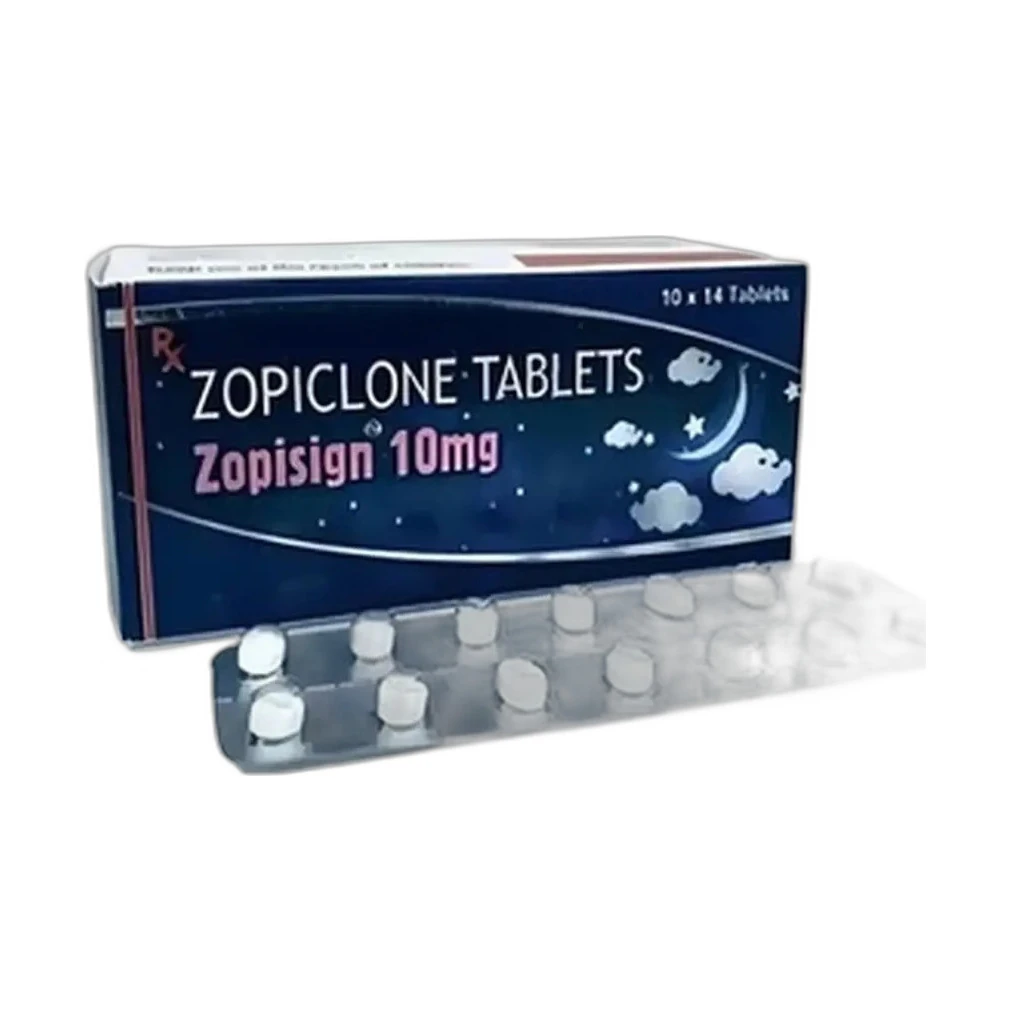
Zopisign (Zopiclone) 10 mg
Zopisign 10 mg is identified as a zopiclone-containing medicine. Zopiclone is a sedative-hypnotic medicine used for the short-term treatment of insomnia in adults. Regulatory product information for zopiclone describes its use for difficulties falling asleep and for nocturnal or early waking, when insomnia is severe or distressing.
Active Ingredient and Medicine Class
The verified active ingredient is zopiclone. It belongs to the hypnotics and sedatives group and is commonly described as a benzodiazepine-related drug or cyclopyrrolone. It acts on the central nervous system to produce sleep-promoting effects.
Established Medical Uses
Zopiclone is established for the short-term treatment of insomnia in adults. This includes sleep-onset problems, sleep maintenance problems, and early awakening. Official prescribing information also notes that long-term continuous use is not recommended.
How It Works
Zopiclone enhances inhibitory signalling in the brain through the GABA receptor complex, helping to reduce the time needed to fall asleep and to sustain sleep. It is a hypnotic medicine rather than a cure for the underlying cause of insomnia.
Important Safety Information
Zopiclone is contraindicated in people with myasthenia gravis, respiratory failure, severe sleep apnoea syndrome, severe hepatic insufficiency, hypersensitivity to zopiclone, and in patients who have previously experienced complex sleep behaviours with zopiclone. Prescribing information warns that dependence, tolerance and withdrawal can occur, especially with prolonged use or in people with a history of substance misuse or psychiatric illness.
Important interactions include other central nervous system depressants and alcohol, which can increase sedation and psychomotor impairment. Caution is also advised in respiratory impairment, hepatic impairment, renal impairment and in older adults. Zopiclone may impair alertness, coordination and driving ability.
Possible Side Effects
Common adverse effects include bitter taste, dry mouth, drowsiness, dizziness, headache, fatigue, nausea and next-day residual sleepiness. Important serious reactions can include amnesia, confusion, abnormal behaviour, hallucinations, respiratory depression, falls, dependence, withdrawal symptoms and complex sleep behaviours such as sleepwalking.
Scientific Evidence
Peer-reviewed evidence supports zopiclone’s short-term hypnotic effect, with systematic reviews reporting improvements in sleep latency and sleep maintenance versus placebo or comparators. However, reviews also note limitations in long-term safety data and an increased risk of adverse effects and tolerability concerns compared with placebo. Evidence does not support use as a long-term insomnia solution.
Medical Information Notice
This page is an educational summary based on sources available at the time of review and does not replace the official patient leaflet, prescribing information or an individual assessment by a qualified healthcare professional.
Medical Sources
- Medicines.org.uk (emc): Zopiclone 7.5 mg film-coated tablets – Summary of Product Characteristics (SmPC)
- Odobasic et al.: Zopiclone to treat insomnia in older adults: A systematic review (PubMed, 2021)