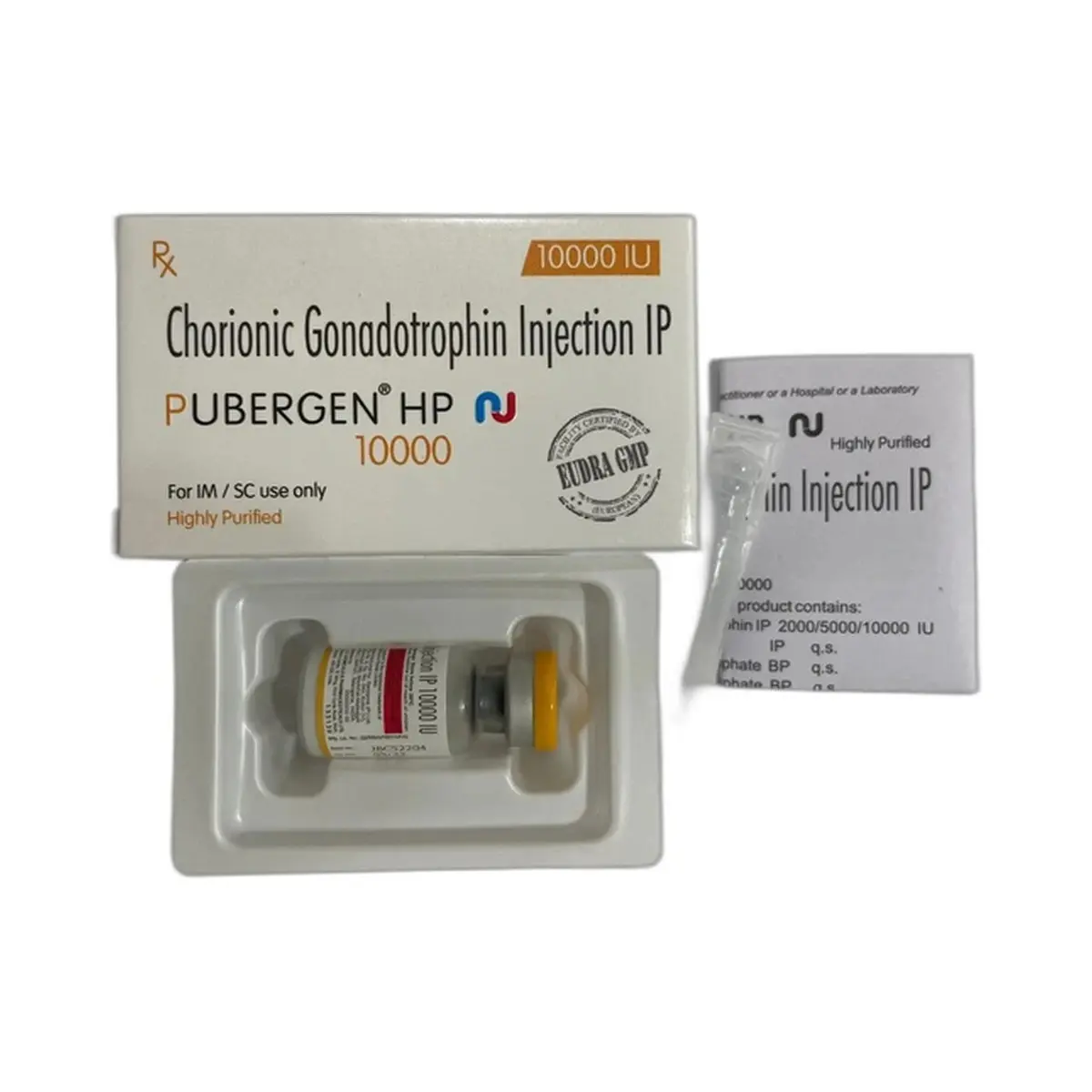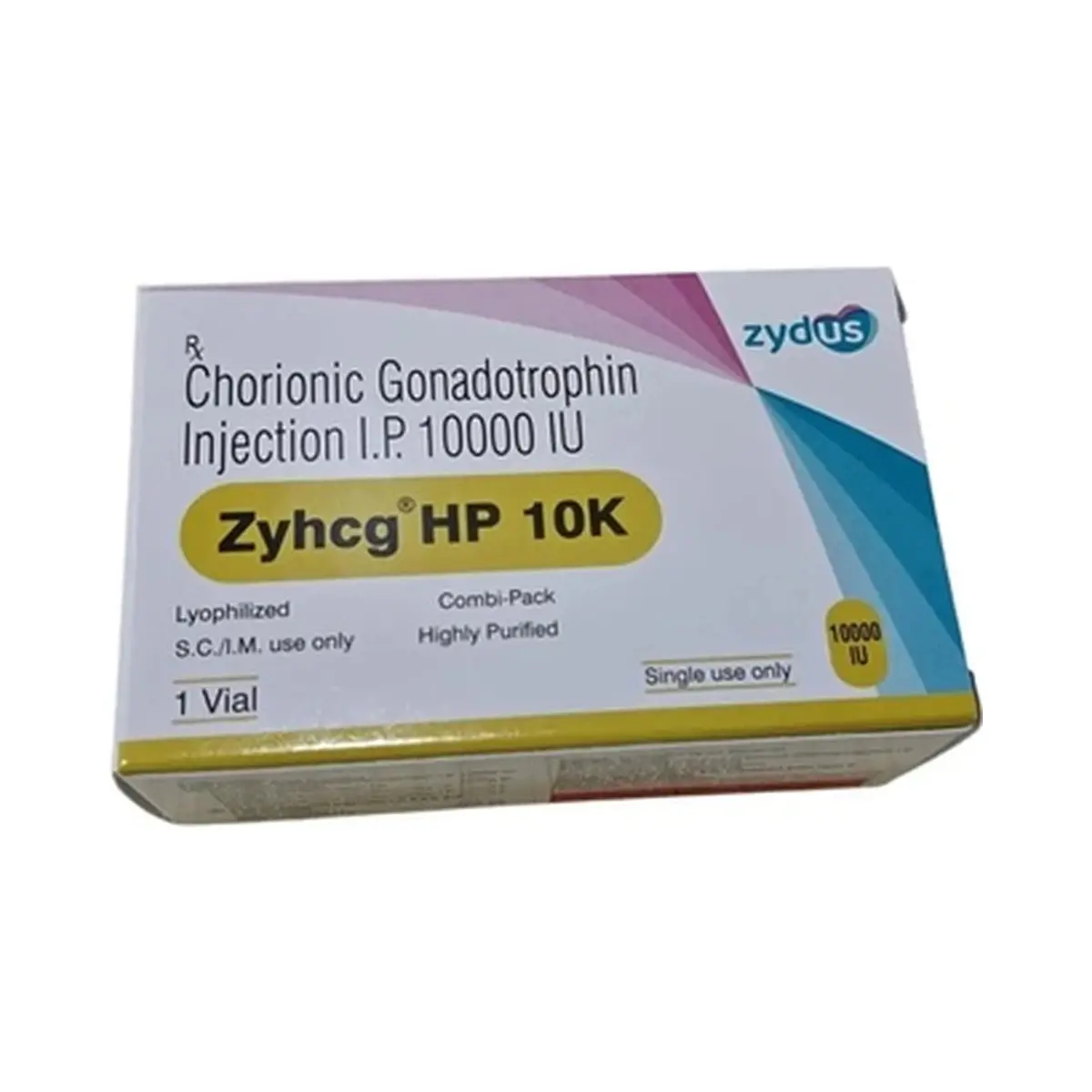
Description
Zyhcg HP (Human Chorionic Gonadotropin) 10000 iu
Zyhcg HP 10000 iu is presented as an injectable form of human chorionic gonadotropin, usually abbreviated hCG. In official prescribing information for comparable products, hCG is a reproductive hormone preparation used in selected fertility-related settings and certain male hypogonadism conditions. The exact trade name “Zyhcg HP” could not be independently verified from the official regulatory sources reviewed, so this summary is based on the verified active ingredient, human chorionic gonadotropin.
Active Ingredient and Medicine Class
The verified active ingredient is human chorionic gonadotropin, a gonadotropin hormone. It is a glycoprotein hormone with activity similar to luteinizing hormone (LH), and it has a small degree of follicle-stimulating hormone activity. In medicine, hCG is used as a hormonal reproductive agent rather than a pain reliever, antibiotic, or vitamin.
Established Medical Uses
Official prescribing information for hCG products describes use in selected cases of hypogonadotropic hypogonadism in males, prepubertal cryptorchidism not due to anatomical obstruction, and induction of ovulation and pregnancy in anovulatory infertile women who have been appropriately pretreated with gonadotropins. In fertility practice, hCG is also used as part of assisted reproduction protocols to act as the ovulatory trigger after follicular development has been achieved.
These uses are specific and clinician-directed. hCG is not an established treatment for obesity, and it is not a general-purpose hormone supplement.
How It Works
hCG acts mainly by binding to LH receptors. In women, this helps trigger the final maturation of the follicle and supports ovulation, while also helping maintain the corpus luteum so that progesterone production continues. In men, it stimulates the testicular Leydig cells to produce androgens. Because its action is similar to LH, it can substitute for the natural mid-cycle LH surge in reproductive protocols.
Important Safety Information
Important contraindications described in official labeling include prior hypersensitivity to human gonadotropins or excipients, primary gonadal failure in women, uncontrolled endocrine disorders such as thyroid, adrenal, or pituitary disease, certain tumors of the reproductive or pituitary systems, reproductive tract abnormalities incompatible with pregnancy, fibroid tumors incompatible with pregnancy, and abnormal vaginal bleeding of undetermined origin.
Clinically important precautions include the risk of ovarian hyperstimulation syndrome, which can become serious or life-threatening, and the possibility of thromboembolic complications in susceptible patients. hCG should also be used cautiously in people with cardiac disease, renal disease, hypertension, epilepsy, migraine, or asthma. In women undergoing fertility treatment, close specialist monitoring is important because the medicine is used in settings where ovarian response and pregnancy-related complications must be followed carefully.
Possible Side Effects
Reported adverse effects include injection-site reactions such as pain, redness, swelling, bruising, and itching. In women, unwanted ovarian stimulation, ovarian enlargement, ovarian cysts, abdominal discomfort, nausea, diarrhea, breast pain, fluid retention, and weight gain may occur. Serious reactions can include ovarian hyperstimulation syndrome, ascites, pleural effusion, respiratory problems, torsion of the ovary, and thromboembolic events. Rare allergic reactions, including anaphylaxis, have also been reported with urinary-derived hCG products.
Scientific Evidence
Peer-reviewed literature supports the established reproductive role of hCG as the LH-like trigger used in ovulation induction and assisted conception. Review data suggest that urinary hCG can achieve clinical outcomes comparable to recombinant hCG in fertility cycles, while higher hCG exposure may be associated with ovarian hyperstimulation risk in susceptible patients. Published reviews also describe ovarian hyperstimulation syndrome as a recognized complication of gonadotropin stimulation followed by hCG administration, reinforcing the need for careful patient selection and monitoring.
Medical Information Notice
This educational summary is based on authoritative sources available at the time of review and is not a substitute for the official patient leaflet, product label, or individual assessment by a qualified healthcare professional.
Medical Sources
- U.S. Food and Drug Administration / DailyMed. Pregnyl (chorionic gonadotropin) for injection. Official prescribing information. View official label
- U.S. Food and Drug Administration / DailyMed. Novarel (chorionic gonadotropin) for injection, for intramuscular use. Official prescribing information. View official label
- U.S. Food and Drug Administration / DailyMed. Chorionic Gonadotropin for Injection, USP. Official prescribing information. View official label
- Ludwig M et al. Use of recombinant human chorionic gonadotropin in ovulation induction. Fertility and Sterility, 2003. View scientific article
- Zeev Blumenfeld. The Ovarian Hyperstimulation Syndrome. Vitamins and Hormones, 2018. View scientific article