Description
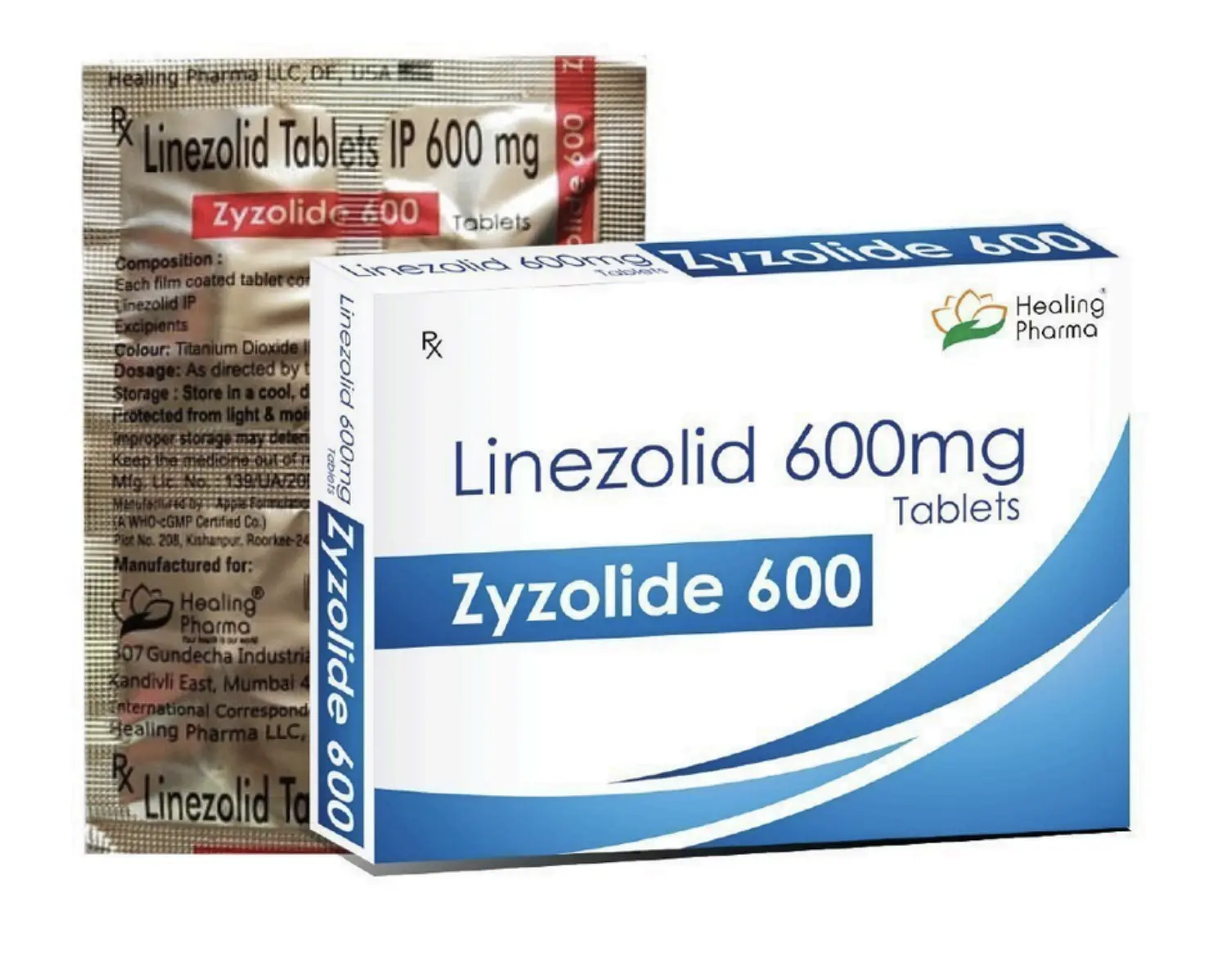
ZYZOLIDE 600 MG (1X10)
Indications
ZYZOLIDE 600 MG is indicated for the treatment of various bacterial infections. It is particularly effective against respiratory tract infections, skin and soft tissue infections, and certain types of urinary tract infections. The active ingredient, linezolid, is a member of the oxazolidinone class of antibiotics, which are used to combat Gram-positive bacterial infections, including those caused by multi-drug resistant strains. ZYZOLIDE is often prescribed when other antibiotics are ineffective or contraindicated due to resistance patterns.
Mechanism of Action
Linezolid, the active ingredient in ZYZOLIDE, functions by inhibiting bacterial protein synthesis. It achieves this by binding to the 23S ribosomal RNA of the 50S subunit of the bacterial ribosome. This binding prevents the formation of the initiation complex, which is essential for the translation of mRNA into proteins. By disrupting this process, ZYZOLIDE effectively halts bacterial growth and replication, allowing the immune system to eliminate the infection.
Pharmacological Properties
ZYZOLIDE exhibits a broad spectrum of activity against Gram-positive bacteria, including Staphylococcus aureus (including methicillin-resistant strains), Streptococcus pneumoniae, and Enterococcus faecium. The pharmacokinetics of linezolid show that it is well-absorbed following oral administration, with peak plasma concentrations occurring approximately 1-2 hours post-dose. The drug has a bioavailability of nearly 100%, making it suitable for both intravenous and oral routes of administration. Linezolid is metabolized primarily in the liver and is excreted in urine, with a half-life of approximately 4-5 hours.
Contraindications
ZYZOLIDE is contraindicated in patients with a known hypersensitivity to linezolid or any of its components. Additionally, it should not be used in patients who are currently taking or have recently taken monoamine oxidase inhibitors (MAOIs) due to the risk of hypertensive crisis. Caution is also advised in patients with a history of bone marrow suppression or thrombocytopenia, as linezolid can cause myelosuppression.
Side Effects
The use of ZYZOLIDE may lead to several side effects, some of which can be serious. Common side effects include gastrointestinal disturbances such as nausea, diarrhea, and vomiting. Patients may also experience headache, dizziness, and insomnia. More severe side effects can include myelosuppression, which may manifest as anemia, leukopenia, or thrombocytopenia. Peripheral neuropathy and lactic acidosis have also been reported, particularly with prolonged use. Patients should be monitored for these adverse effects during treatment.
Dosage and Administration
The recommended dosage of ZYZOLIDE for adults is typically 600 mg administered every 12 hours, either orally or intravenously, for a duration of 10 to 14 days, depending on the type and severity of the infection. For pediatric patients, dosing should be based on weight and determined by a healthcare professional. It is important to complete the full course of therapy as prescribed, even if symptoms improve before the medication is finished, to prevent the development of antibiotic resistance.
Interactions
ZYZOLIDE has the potential to interact with several medications. Notably, the concurrent use of linezolid with serotonergic agents, such as selective serotonin reuptake inhibitors (SSRIs), can lead to serotonin syndrome, a potentially life-threatening condition. Additionally, caution should be exercised when administering ZYZOLIDE with adrenergic agents, as it may enhance their effects. It is essential for healthcare providers to review all medications a patient is taking to avoid adverse interactions.
Precautions
Before initiating treatment with ZYZOLIDE, a thorough medical history should be obtained, particularly regarding any history of hypertension, thyroid disorders, or seizures. Regular monitoring of complete blood counts is recommended during prolonged therapy to detect any hematological abnormalities early. Patients should be advised to report any unusual symptoms, such as persistent headache, visual changes, or signs of infection. Pregnant and breastfeeding women should use ZYZOLIDE only if the potential benefits outweigh the risks, as there is limited data on its safety in these populations.
Clinical Studies
Clinical studies have demonstrated the efficacy of ZYZOLIDE in treating various infections caused by resistant Gram-positive bacteria. In a randomized controlled trial published in the Journal of Antimicrobial Chemotherapy, linezolid was shown to be as effective as vancomycin in treating complicated skin and soft tissue infections. Another study in the New England Journal of Medicine highlighted the effectiveness of linezolid in treating pneumonia caused by resistant strains of Streptococcus pneumoniae. These studies support the use of ZYZOLIDE as a valuable option in the antibiotic arsenal against resistant infections.
Conclusion
ZYZOLIDE 600 MG is a potent antibiotic that plays a crucial role in the treatment of serious bacterial infections, particularly those caused by resistant Gram-positive organisms. Its unique mechanism of action and favorable pharmacokinetic profile make it an essential tool in modern medicine. However, it is vital for healthcare providers to be aware of its potential side effects, contraindications, and interactions to ensure safe and effective use. As antibiotic resistance continues to rise, responsible prescribing and adherence to treatment guidelines are imperative to maintain the efficacy of ZYZOLIDE and similar agents.
Important
It is crucial to use ZYZOLIDE responsibly and only under the guidance of a qualified healthcare professional. Misuse or overuse of antibiotics can lead to increased resistance, rendering these vital medications ineffective. Always follow your healthcare provider’s instructions regarding dosage and duration of treatment.