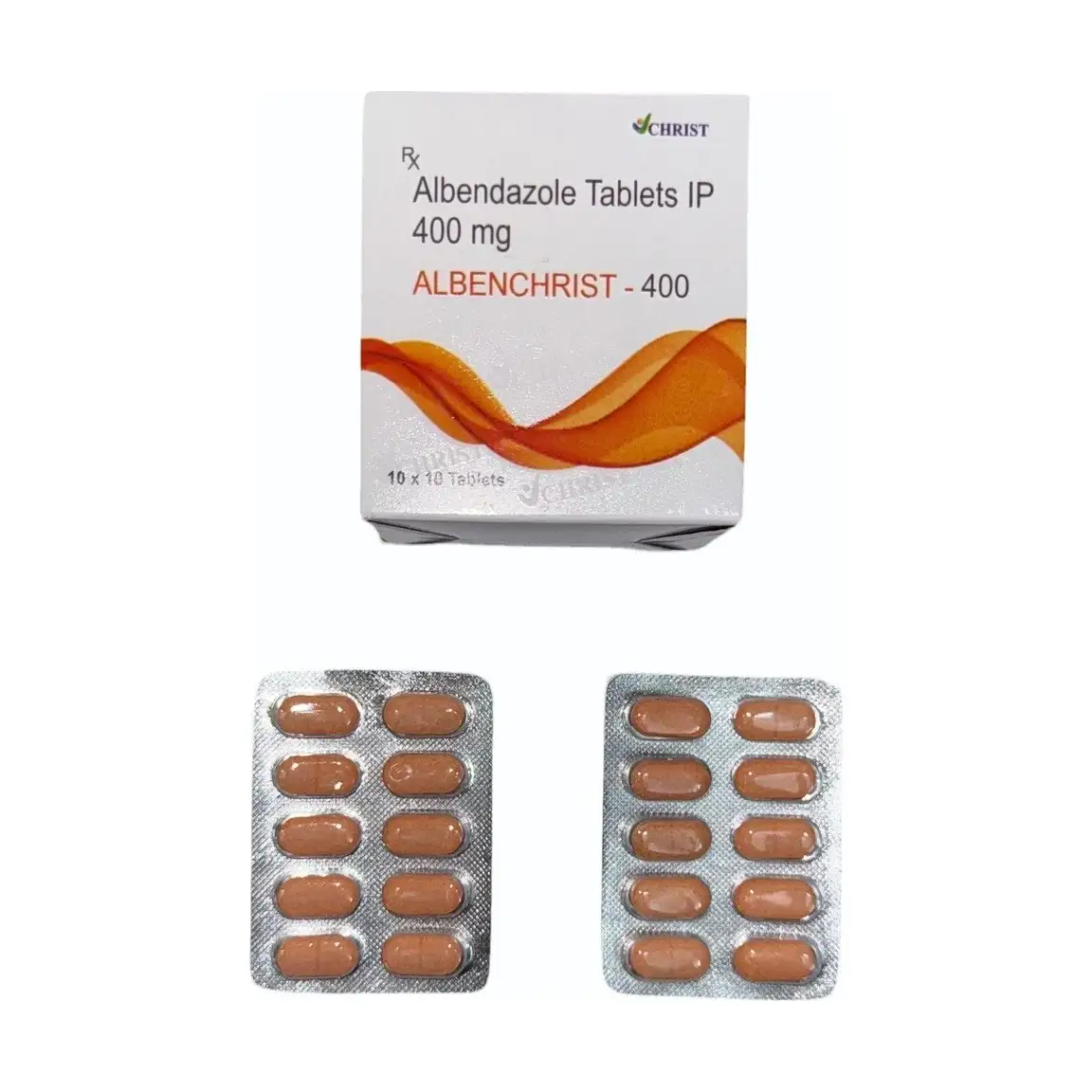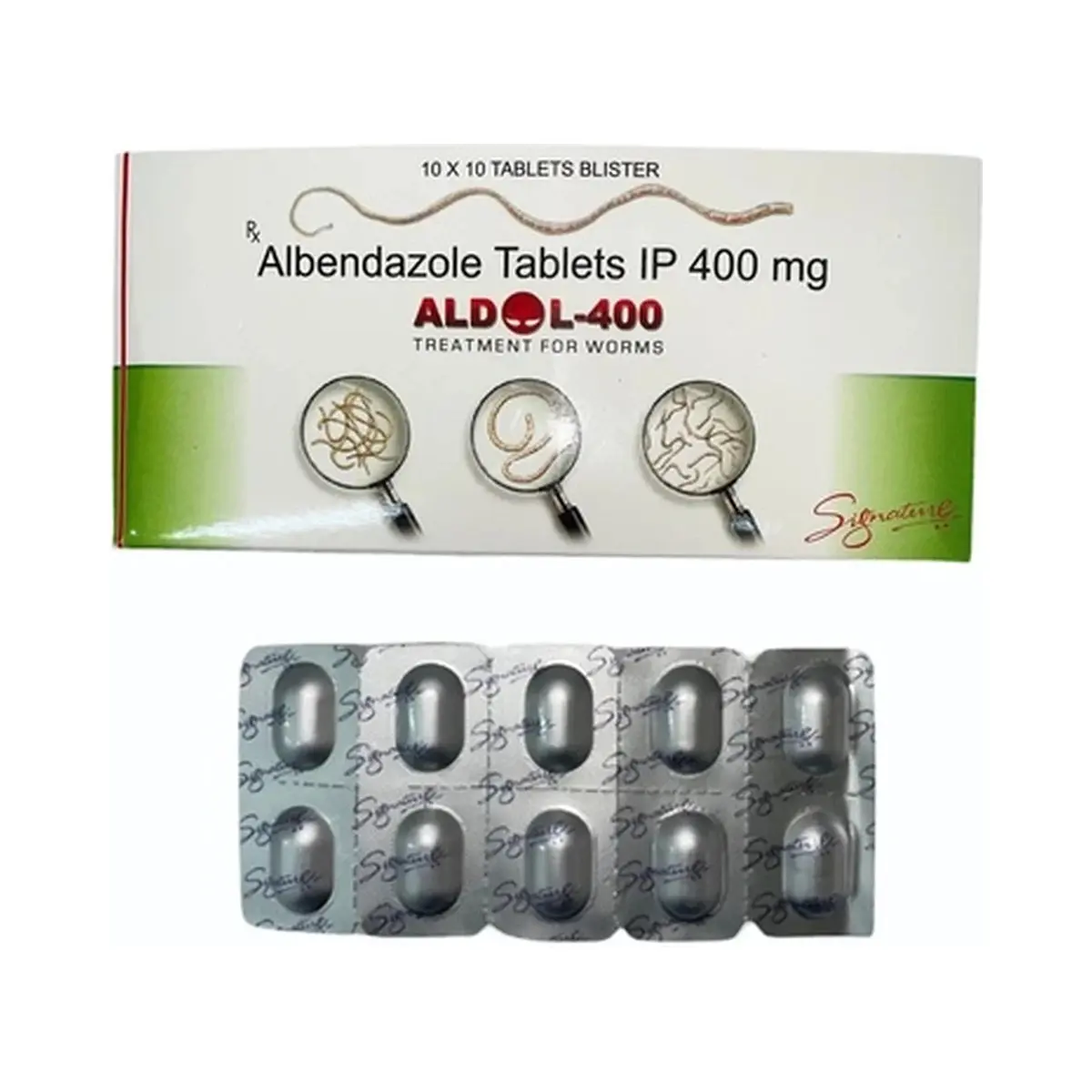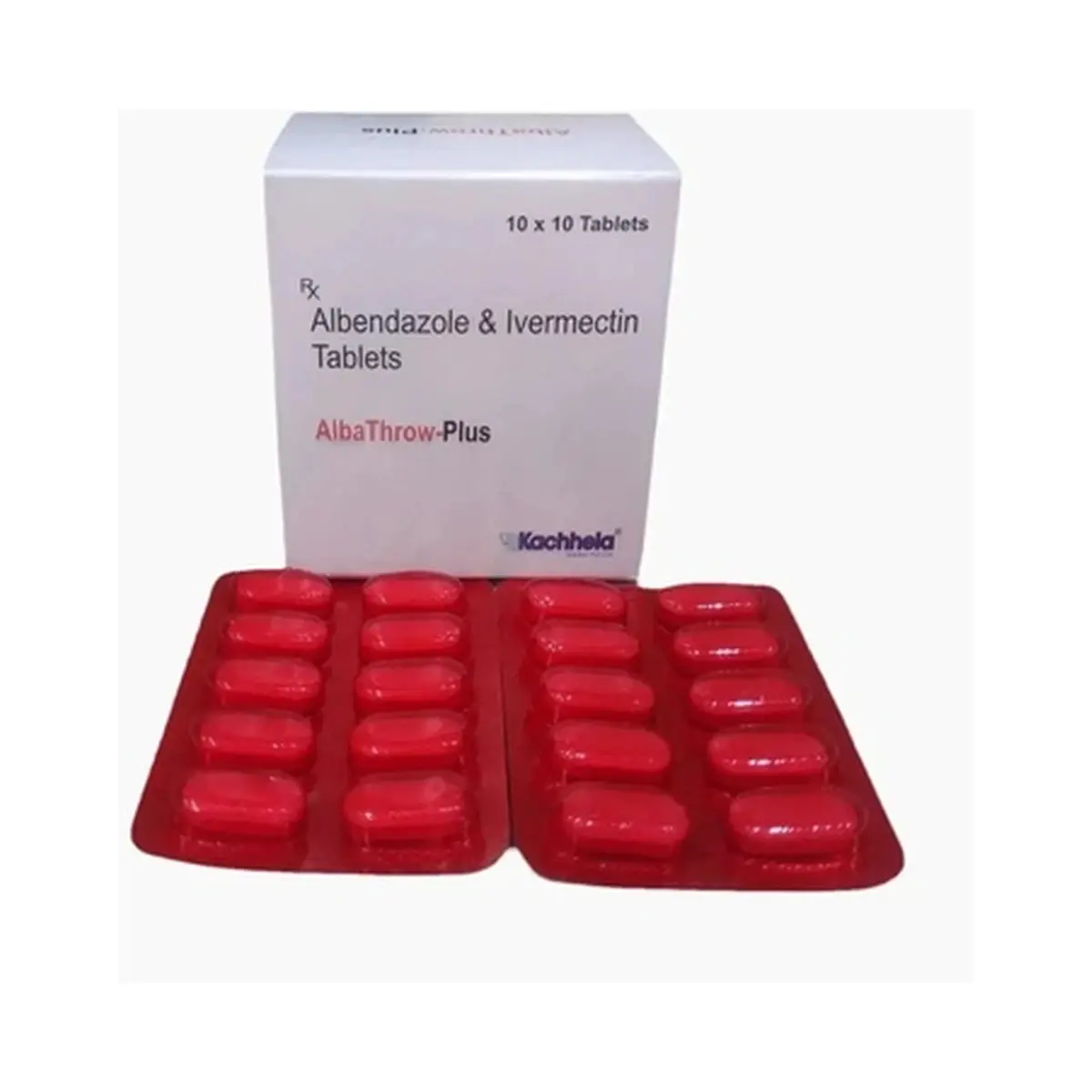
Description
Albathrow plus (Albendazole)
Albathrow plus appears to be a fixed-dose oral antiparasitic product containing albendazole and ivermectin. The listed strength on the product name suggests a combination tablet, but the trade name itself could not be independently verified from authoritative regulatory sources. The medical information below therefore focuses on the verified active ingredients and their recognised use as anthelmintic medicines. (https://dailymed.nlm.nih.gov/dailymed/lookup.cfm?setid=6c48fd89-cb40-477c-8a78-15cbe0df6faa&utm_source=openai))
Active Ingredient and Medicine Class
Albendazole is a benzimidazole anthelmintic. It is used against certain helminth infections and acts by disrupting parasite microtubule function, which impairs worm survival and glucose uptake. Ivermectin is a macrocyclic lactone anthelmintic, also used against selected parasitic infections; it acts by increasing parasite membrane permeability to chloride ions through glutamate-gated chloride channels, leading to paralysis and death of susceptible worms. ([dailymed.nlm.nih.gov](https://dailymed.nlm.nih.gov/dailymed/lookup.cfm?setid=6c48fd89-cb40-477c-8a78-15cbe0df6faa&utm_source=openai))
Established Medical Uses
Authoritative prescribing information confirms that albendazole is indicated for parenchymal neurocysticercosis and cystic hydatid disease caused by Taenia solium and Echinococcus granulosus, respectively. Ivermectin is approved in oral tablet form for specific parasitic infections, including strongyloidiasis of the intestinal tract and onchocerciasis in recognised labels. ([dailymed.nlm.nih.gov](https://dailymed.nlm.nih.gov/dailymed/lookup.cfm?setid=6c48fd89-cb40-477c-8a78-15cbe0df6faa&utm_source=openai))
Combination use of ivermectin plus albendazole has also been studied for soil-transmitted helminth infections, particularly when single-drug therapy is less effective against some species such as Trichuris trichiura. However, whether this exact branded product is approved for a specific indication depends on the country and local label. ([pubmed.ncbi.nlm.nih.gov](https://pubmed.ncbi.nlm.nih.gov/29702653/?utm_source=openai))
How It Works
Albendazole and ivermectin target parasites in different ways. Albendazole interferes with the internal structure of the worm’s cells, reducing its ability to survive and reproduce. Ivermectin affects nerve and muscle signalling in susceptible parasites, causing paralysis. Because the two medicines act differently, the combination may broaden antiparasitic activity in some settings, although clinical benefit depends on the infection being treated. ([dailymed.nlm.nih.gov](https://dailymed.nlm.nih.gov/dailymed/lookup.cfm?setid=6c48fd89-cb40-477c-8a78-15cbe0df6faa&utm_source=openai))
Important Safety Information
Albendazole and ivermectin each have important warnings and contraindications in their prescribing information. Albendazole is generally avoided in pregnancy unless clearly needed, and it requires caution in people with liver disease or blood count abnormalities. Ivermectin requires caution in patients with conditions that may increase adverse reactions, and severe illness with heavy parasite burden can sometimes be associated with inflammatory reactions after treatment. ([dailymed.nlm.nih.gov](https://dailymed.nlm.nih.gov/dailymed/lookup.cfm?setid=6c48fd89-cb40-477c-8a78-15cbe0df6faa&utm_source=openai))
Clinically significant interactions may occur with other medicines. Albendazole has documented interaction concerns with agents such as theophylline and may be affected by drugs that alter metabolism or liver function. As with other antiparasitic medicines, the full interaction profile depends on the patient’s other treatments and the product label. ([dailymed.nlm.nih.gov](https://dailymed.nlm.nih.gov/dailymed/downloadpdffile.cfm?setId=dbce679a-3ec2-41cf-87bc-0923ca7958c3&utm_source=openai))
Possible Side Effects
Reported side effects for these medicines can include abdominal discomfort, nausea, headache, dizziness, and diarrhoea. Albendazole can also be associated with raised liver enzymes and, less commonly, bone marrow suppression. Ivermectin has been associated with rash, pruritus, fever, and other reactions, particularly in the setting of parasite die-off. Serious reactions are uncommon but may require prompt medical attention. ([dailymed.nlm.nih.gov](https://dailymed.nlm.nih.gov/dailymed/lookup.cfm?setid=6c48fd89-cb40-477c-8a78-15cbe0df6faa&utm_source=openai))
Scientific Evidence
Human clinical research suggests that ivermectin-albendazole co-administration can improve outcomes for some soil-transmitted helminth infections, especially Trichuris trichiura, compared with albendazole alone in certain studies and meta-analyses. At the same time, evidence indicates that albendazole alone remains highly effective for some parasites, such as Ascaris lumbricoides and hookworm, so the value of combination therapy depends on the infection profile and public-health setting. ([pubmed.ncbi.nlm.nih.gov](https://pubmed.ncbi.nlm.nih.gov/29702653/?utm_source=openai))
Medical Sources
- Official prescribing information: DailyMed, Albendazole Tablets; DailyMed, Ivermectin Tablets.
- European regulatory background: EMA, Ivermectin/Albendazole summary of positive opinion.
- Farhan M, et al. “Ivermectin-albendazole combination versus ivermectin or albendazole alone in soil transmitted helminthiasis: An updated systematic review and meta-analysis.” Acta Tropica, 2025. PubMed
- Vercruysse J, Albonico M, Behnke JM, et al. “Efficacy and safety of co-administered ivermectin plus albendazole for treating soil-transmitted helminths: A systematic review, meta-analysis and individual patient data analysis.” PLoS Neglected Tropical Diseases, 2018. PubMed
- Crump A, et al. “The co-administration of ivermectin and albendazole—safety, pharmacokinetics and efficacy against Onchocerca volvulus.” Transactions of the Royal Society of Tropical Medicine and Hygiene, 2003. PubMed
Medical Information Notice
This page is an educational summary based on sources available at the time of review and does not replace the official patient leaflet, local prescribing information, or assessment by a qualified healthcare professional.