Description
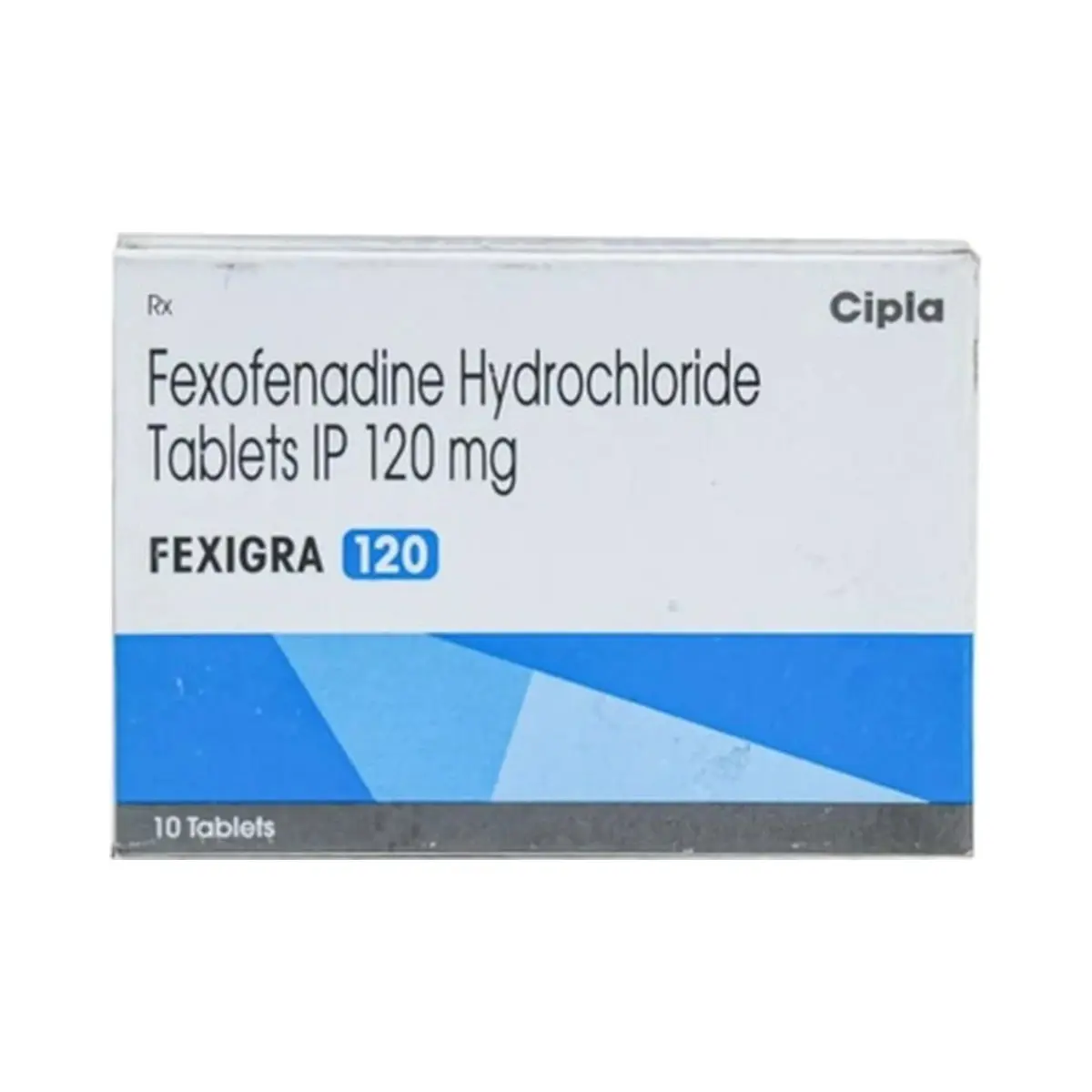
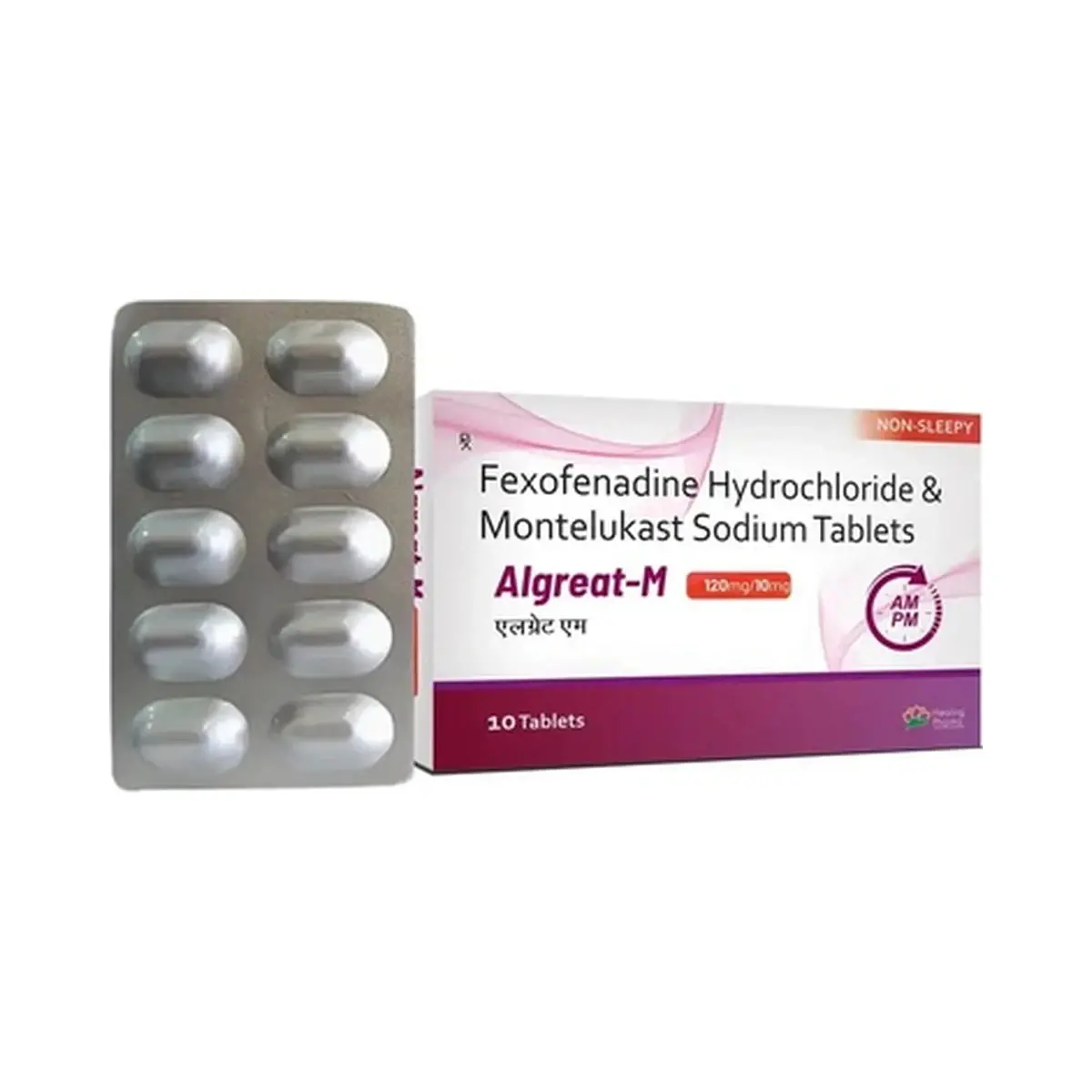
Algreat (Fexofenadine) 120 mg
Algreat 120 mg contains fexofenadine hydrochloride, a second-generation antihistamine used to relieve symptoms of seasonal allergic rhinitis such as sneezing, runny nose, blocked nose, itching and watery eyes. The medicine is formulated as an oral film-coated tablet.
Active Ingredient and Medicine Class
The verified active ingredient is fexofenadine hydrochloride 120 mg. Fexofenadine is a selective H1-receptor antihistamine. It is generally described as non-sedating or minimally sedating compared with older antihistamines, because it has limited effects on the central nervous system.
Established Medical Uses
Official prescribing information supports the use of fexofenadine 120 mg for relief of symptoms associated with seasonal allergic rhinitis in adults and adolescents aged 12 years and older. This indication covers common hay fever symptoms, including sneezing, itchy or runny nose, nasal blockage and itchy, red or watery eyes.
In some regulatory labels for fexofenadine as a medicine class, other strengths or formulations may also be approved for chronic idiopathic urticaria, but the verified 120 mg tablet presentation here is specifically linked to seasonal allergic rhinitis in the reviewed product information.
How It Works
Fexofenadine blocks peripheral H1 histamine receptors. Histamine is a natural chemical released during allergic reactions and contributes to symptoms such as itching, sneezing and watery secretions. By reducing histamine activity at these receptors, fexofenadine helps lessen allergy symptoms without acting as a decongestant or steroid.
Evidence summaries also describe fexofenadine as a pharmacologically active metabolite of terfenadine, with rapid onset and a duration of action consistent with once-daily use in clinical studies.
Important Safety Information
Fexofenadine should not be used in people with known hypersensitivity to fexofenadine or any tablet ingredient. Product information advises caution in people with cardiovascular disease, as antihistamines as a class have been associated with tachycardia and palpitations. Use during pregnancy should be limited to situations where it is clearly necessary, and breastfeeding is not generally recommended in the reviewed product information.
Important interactions include medicines that affect P-glycoprotein transport, such as erythromycin and ketoconazole, which can increase exposure to fexofenadine. Aluminium- and magnesium-containing antacids can reduce absorption, and product information advises separating their use. Fruit juices can also reduce fexofenadine exposure, so they should not be used as the liquid taken with the tablet. People with impaired kidney or liver function should be monitored with care according to product information.
Possible Side Effects
Commonly reported side effects include headache, drowsiness, dizziness, nausea and fatigue. Although fexofenadine is considered relatively non-sedating, some people may still feel sleepy or light-headed.
Less common or serious reactions reported after marketing include hypersensitivity reactions, including angioedema, chest tightness, breathing difficulty and anaphylaxis. Other uncommon reactions described in product information include insomnia, nervousness, sleep disturbance, palpitations and tachycardia.
Scientific Evidence
Clinical trials and review literature support fexofenadine as an effective treatment for seasonal allergic rhinitis. Published summaries report improvement in symptoms such as sneezing, rhinorrhoea, itchy nose and itchy, watery eyes, with efficacy comparable to some other modern antihistamines in short-term studies.
Across controlled studies, fexofenadine has shown a favourable tolerability profile, with adverse-event rates often similar to placebo and little evidence of clinically meaningful central nervous system impairment in most participants. Review articles also support its reputation as a largely non-sedating antihistamine.
Medical Information Notice
This page is an educational summary based on sources available at the time of review. It does not replace the official patient leaflet, the full prescribing information or advice from a qualified healthcare professional.
Medical Sources
- Medicines and Healthcare products Regulatory Agency / emc. Fexofenadine 120 mg film coated tablets, Summary of Product Characteristics. View official prescribing information ([medicines.org.uk](https://www.medicines.org.uk/emc/product/14743/smpc?utm_source=openai))
- DailyMed / U.S. prescribing information. Fexofenadine hydrochloride tablet. View official label ([dailymed.nlm.nih.gov](https://dailymed.nlm.nih.gov/dailymed/getFile.cfm?setid=e5a207e4-472b-4bf9-8cd3-a018ef3a82bb&type=pdf))
- Joos S, et al. Fexofenadine: a review of its use in the management of seasonal allergic rhinitis and chronic idiopathic urticaria. Ann Allergy Asthma Immunol. 2000. View scientific article ([pubmed.ncbi.nlm.nih.gov](https://pubmed.ncbi.nlm.nih.gov/10730552/?utm_source=openai))
- Bernstein DI, et al. Systematic review on the efficacy of fexofenadine in seasonal allergic rhinitis: a meta-analysis of randomized, double-blind, placebo-controlled clinical trials. Int Arch Allergy Immunol. 2011. View scientific article ([pubmed.ncbi.nlm.nih.gov](https://pubmed.ncbi.nlm.nih.gov/21969990/?utm_source=openai))