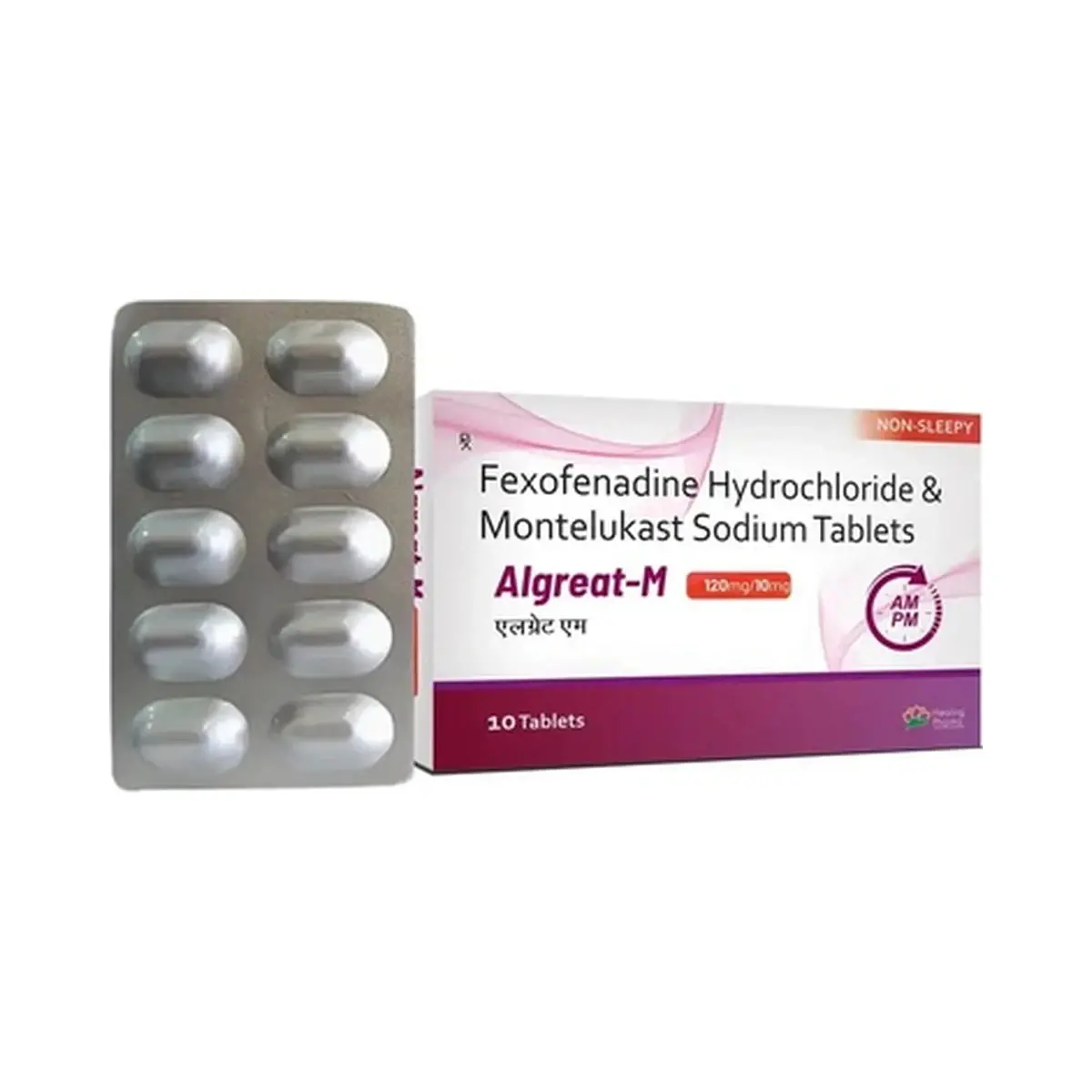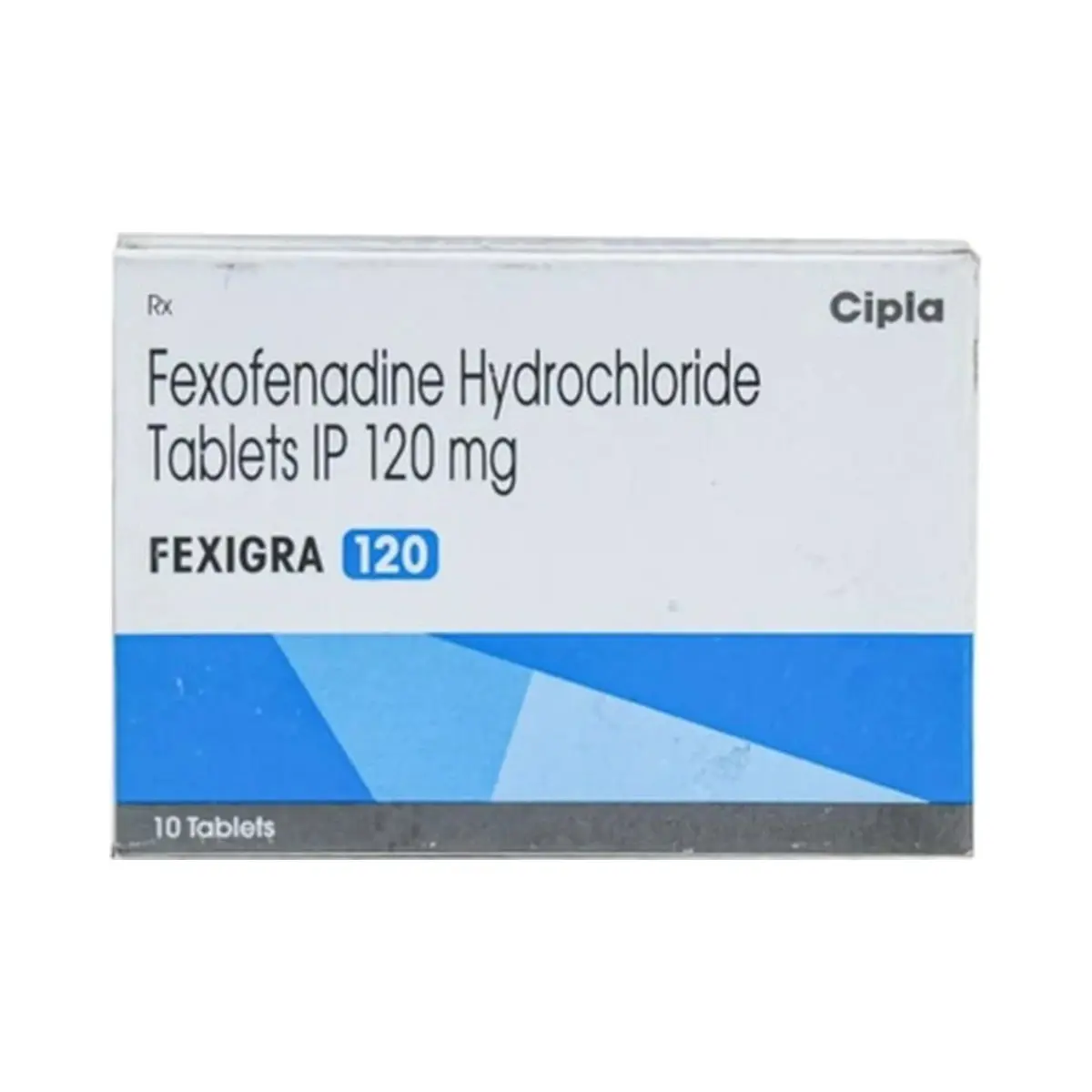
Description
Fexigra (Fexofenadine) 120 mg
Fexigra 120 mg is a tablet containing fexofenadine hydrochloride, a second-generation H1 antihistamine used to help relieve symptoms of seasonal allergic rhinitis and other allergic conditions where an oral antihistamine is appropriate. The product name supplied here was verified through the active ingredient, fexofenadine, rather than as a trade name with region-specific registration details.
Active Ingredient and Medicine Class
The active ingredient is fexofenadine hydrochloride. It belongs to the antihistamine class and is generally described as a non-sedating or less-sedating second-generation H1-receptor antagonist. This class helps reduce the effects of histamine, a chemical involved in allergic symptoms.
Established Medical Uses
Fexofenadine is established for the relief of symptoms associated with seasonal allergic rhinitis. In official prescribing information, it is also indicated for chronic idiopathic urticaria in appropriate age groups. For allergic rhinitis, typical symptoms addressed in clinical studies include sneezing, runny nose, itchy nose or throat, and itchy or watery eyes.
Because indications can vary by country and product licence, the exact approved uses for a specific brand should be confirmed against the local label.
How It Works
Fexofenadine works by selectively blocking peripheral H1 histamine receptors. By reducing histamine signalling, it helps limit allergic symptoms such as itching, sneezing, and nasal discharge. Scientific reviews describe it as having minimal penetration into the brain compared with older antihistamines, which helps explain its generally low sedative effect.
Important Safety Information
Fexofenadine should not be used in people with known hypersensitivity to fexofenadine or to any tablet ingredients. Official prescribing information also notes clinically relevant interactions with aluminium- and magnesium-containing antacids, which can reduce absorption, and with fruit juices such as grapefruit, orange, and apple, which may reduce exposure and lessen effect. Coadministration with erythromycin or ketoconazole can increase fexofenadine blood levels, although clinical studies did not show a corresponding increase in adverse events or QT interval changes in the referenced label data.
Precautions are also advised in pregnancy and during breastfeeding, where the balance of benefit and risk should be assessed by a clinician. As with all medicines, use should follow local prescribing guidance and the official product leaflet.
Possible Side Effects
Fexofenadine is usually well tolerated. In clinical studies, the more common adverse effects in adults included headache, back pain, dizziness, and stomach discomfort. In children, cough and upper respiratory tract infection were reported among the more common events in some studies, although these are not necessarily caused by the medicine itself.
Less common but important reactions reported after marketing include hypersensitivity reactions such as rash, urticaria, angioedema, chest tightness, dyspnoea, flushing, pruritus, and, rarely, anaphylaxis. Overdose reports have included dizziness, drowsiness, and dry mouth.
Scientific Evidence
Clinical trial evidence and later reviews support fexofenadine’s benefit in seasonal allergic rhinitis, with reductions in overall symptom scores and individual nasal and eye symptoms compared with placebo. A meta-analysis of randomised controlled trials found significant symptom improvement and no meaningful difference in overall adverse-event rates versus placebo. More recent review literature continues to describe fexofenadine as a non-sedating antihistamine with a favourable safety profile in allergic disease. These findings support its established role, but they do not mean every patient will respond the same way.
Medical Information Notice
This page is an educational summary based on official prescribing information and selected scientific literature available at the time of review. It does not replace the official patient leaflet, pharmacist counselling, or individual medical assessment.
Medical Sources
- U.S. Food and Drug Administration / DailyMed Fexofenadine hydrochloride tablets USP, prescribing information. View official prescribing information
- emc (UK medicines information) Fexofenadine Hydrochloride 120 mg Film-Coated Tablets, SmPC/PIL. View official medicine information
- E Compalati et al. Systematic review on the efficacy of fexofenadine in seasonal allergic rhinitis: a meta-analysis of randomized, double-blind, placebo-controlled clinical trials. International Archives of Allergy and Immunology, 2011. View scientific article
- Ignacio J Ansotegui et al. Why fexofenadine is considered as a truly non-sedating antihistamine with no brain penetration: a systematic review. Current Medical Research and Opinion, 2024. View scientific article
- Robert M Naclerio et al. Twenty-five years: The fexofenadine clinical experience. World Allergy Organization Journal, 2024. View scientific article