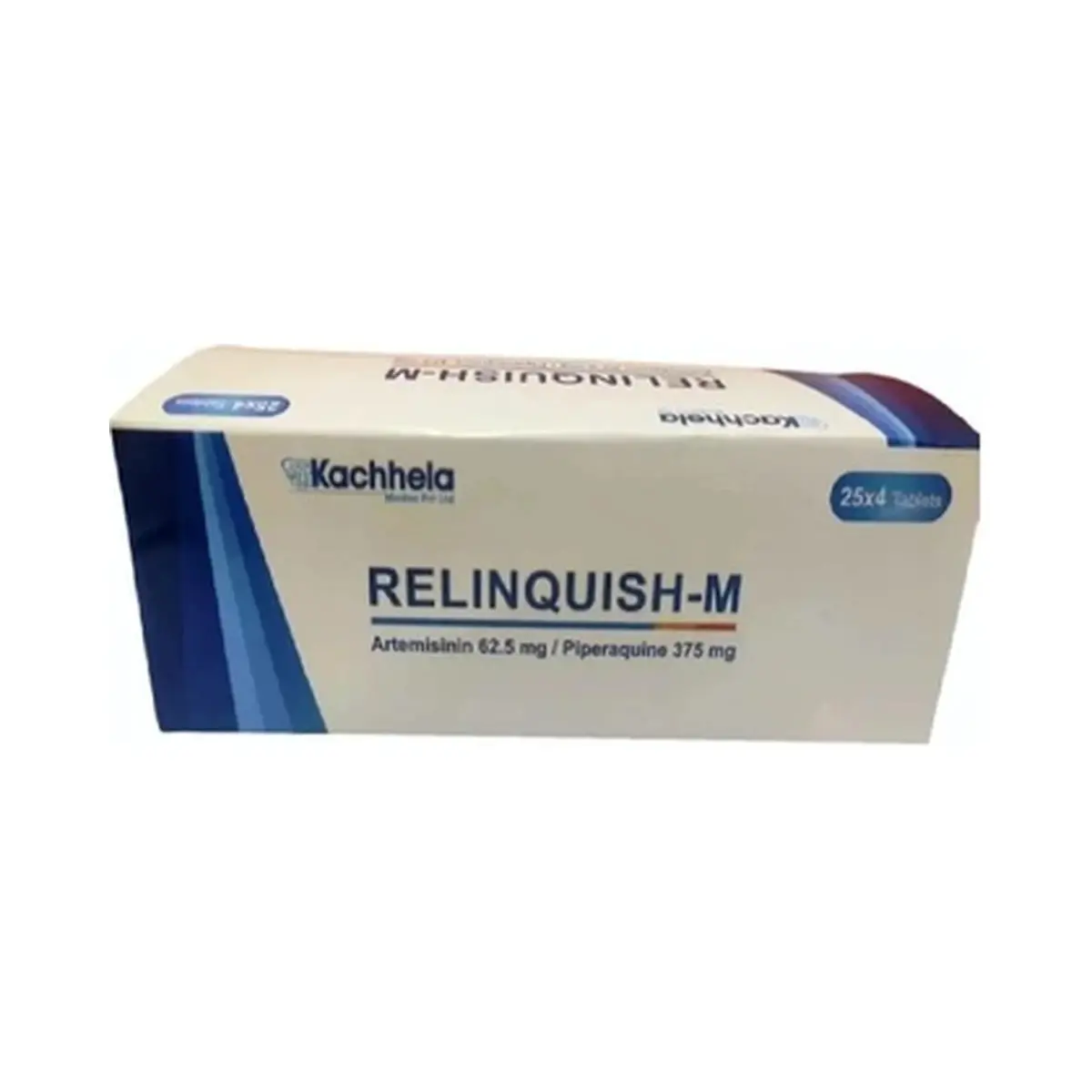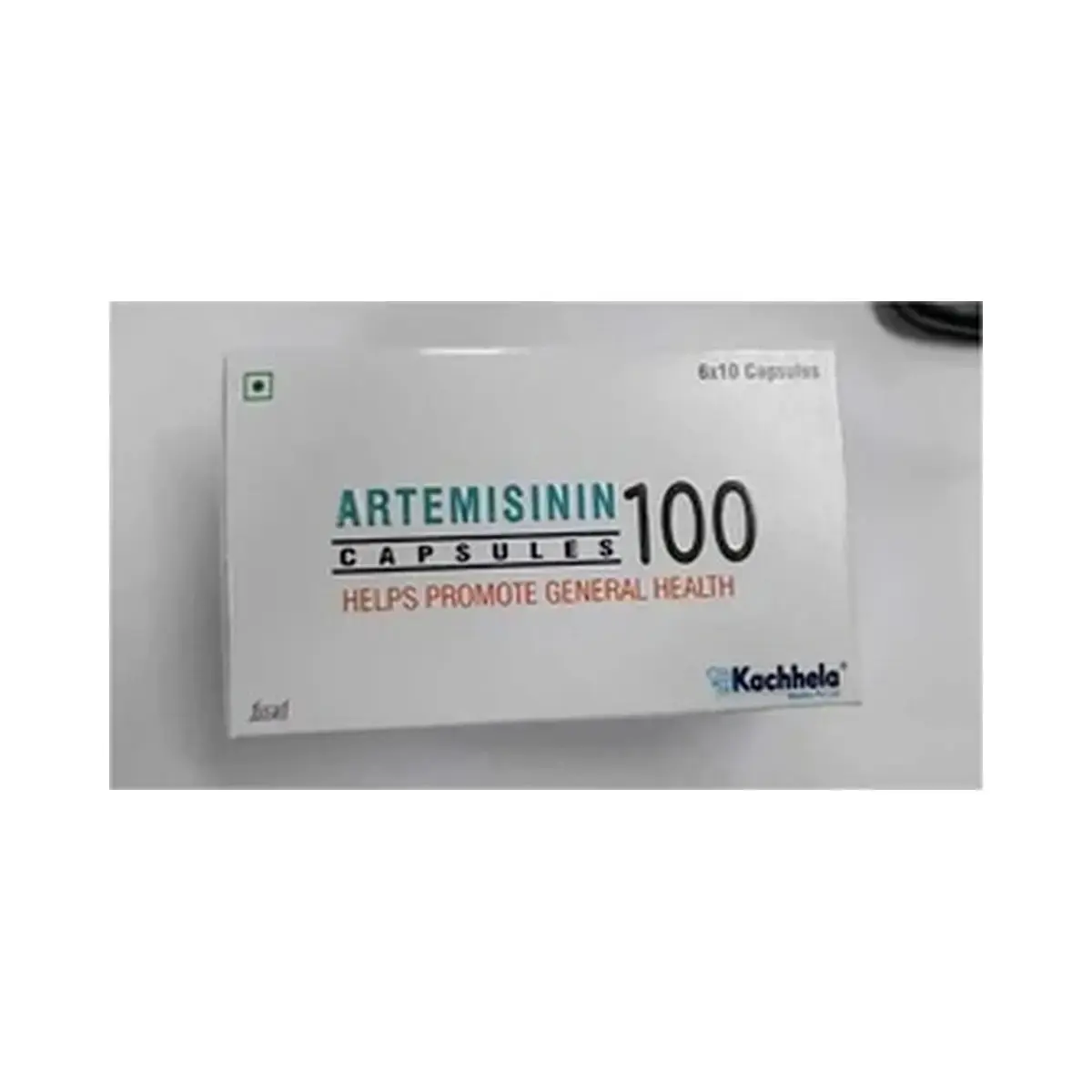
Description
Artemisinin (Artemisinin) 100 mg
Artemisinin is a plant-derived antimalarial compound originally isolated from Artemisia annua (sweet wormwood). The product name supplied suggests an oral capsule containing artemisinin 100 mg, but the exact commercial formulation and regulatory status should be confirmed from the official label for the specific market. In modern malaria care, artemisinin-related medicines are generally used as part of combination therapy rather than relied on as stand-alone treatment.
Active Ingredient and Medicine Class
The verified active ingredient is artemisinin. It belongs to the artemisinin class of antimalarial compounds, often described as endoperoxide antimalarials. These medicines are valued for their rapid action against malaria parasites in the blood.
Established Medical Uses
Artemisinin and related derivatives are used in the treatment of malaria, particularly infections caused by Plasmodium falciparum. Current WHO guidance describes artemisinin-containing combination therapies as the standard approach for uncomplicated falciparum malaria and for chloroquine-resistant P. vivax malaria. WHO also notes that artemisinin compounds are intended to rapidly reduce parasite numbers early in treatment, while a partner drug clears remaining parasites. Stand-alone oral artemisinin products are not the preferred modern approach because combination therapy helps preserve efficacy and reduce resistance pressure.
How It Works
Artemisinin is thought to act after the parasite activates its peroxide bridge in the presence of heme or iron-containing molecules. This process generates reactive intermediates that damage parasite proteins and other essential structures. The result is rapid parasite killing, especially in blood-stage malaria infections.
Important Safety Information
Important safety considerations include pregnancy, allergy or hypersensitivity to artemisinin-related compounds, and the possibility of drug resistance when artemisinin is used inappropriately or without an effective partner medicine. WHO guidance emphasizes that artemisinin-based medicines should be used in evidence-based malaria regimens rather than as unstructured monotherapy. Clinically relevant interactions may occur with other antimalarial medicines and with medicines that affect drug metabolism, although the exact interaction profile depends on the full formulation and co-administered drugs. Official product information should always be checked for contraindications and interaction details for the specific medicine available in your market.
Possible Side Effects
Artemisinin-related medicines are generally described as well tolerated, but side effects can occur. Reported adverse effects include nausea, vomiting, abdominal discomfort, dizziness, and headache. More serious reactions are uncommon but may include hypersensitivity reactions and blood-related effects such as haemolysis in some malaria-treatment settings. Because malaria itself can also cause anaemia and other complications, clinical assessment is important when adverse effects are suspected.
Scientific Evidence
Peer-reviewed reviews and clinical summaries describe artemisinin compounds as fast-acting antimalarials with substantial activity against blood-stage parasites. Human trial evidence has supported their role in malaria treatment, particularly when used in combination regimens. The literature also highlights an important public-health issue: resistance can develop or spread when artemisinin exposure is incomplete or when treatment strategies are suboptimal. More recent reviews continue to support artemisinin’s central role in malaria therapy while also emphasizing that ongoing monitoring for resistance and safety remains necessary.
Medical Information Notice
This page is an educational summary based on sources available at the time of review. It does not replace the official patient leaflet, product label, or assessment by a qualified health professional.
Medical Sources
- World Health Organization. Malaria: Artemisinin partial resistance
- World Health Organization. Malaria questions and answers
- Van Agtmael MA et al. Artemisinin drugs in the treatment of malaria: from medicinal herb to registered medication. Trends in Pharmacological Sciences, 1999. View scientific article
- Meshnick SR. Artemisinin: mechanisms of action, resistance and toxicity. International Journal for Parasitology, 2002. View scientific article