Description
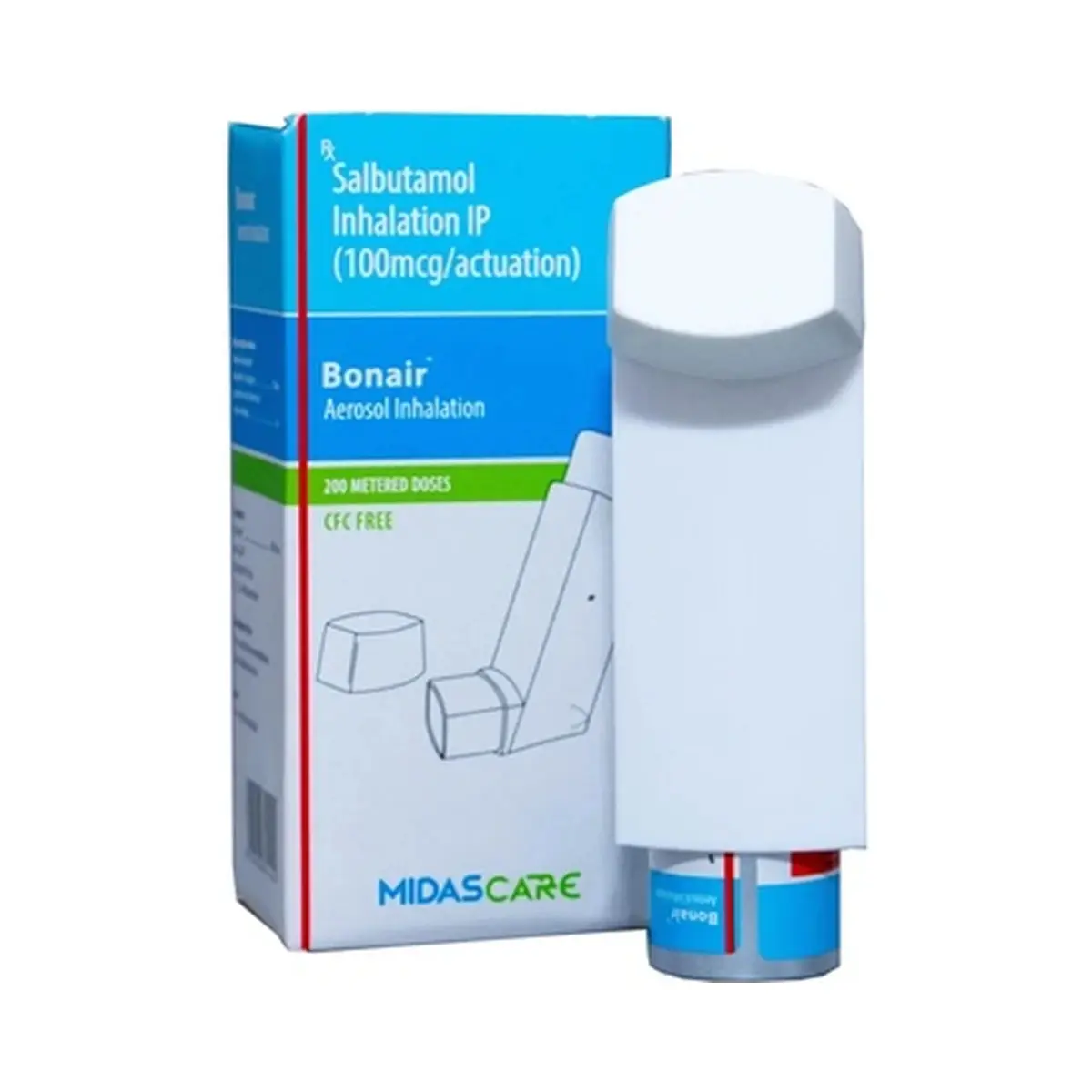
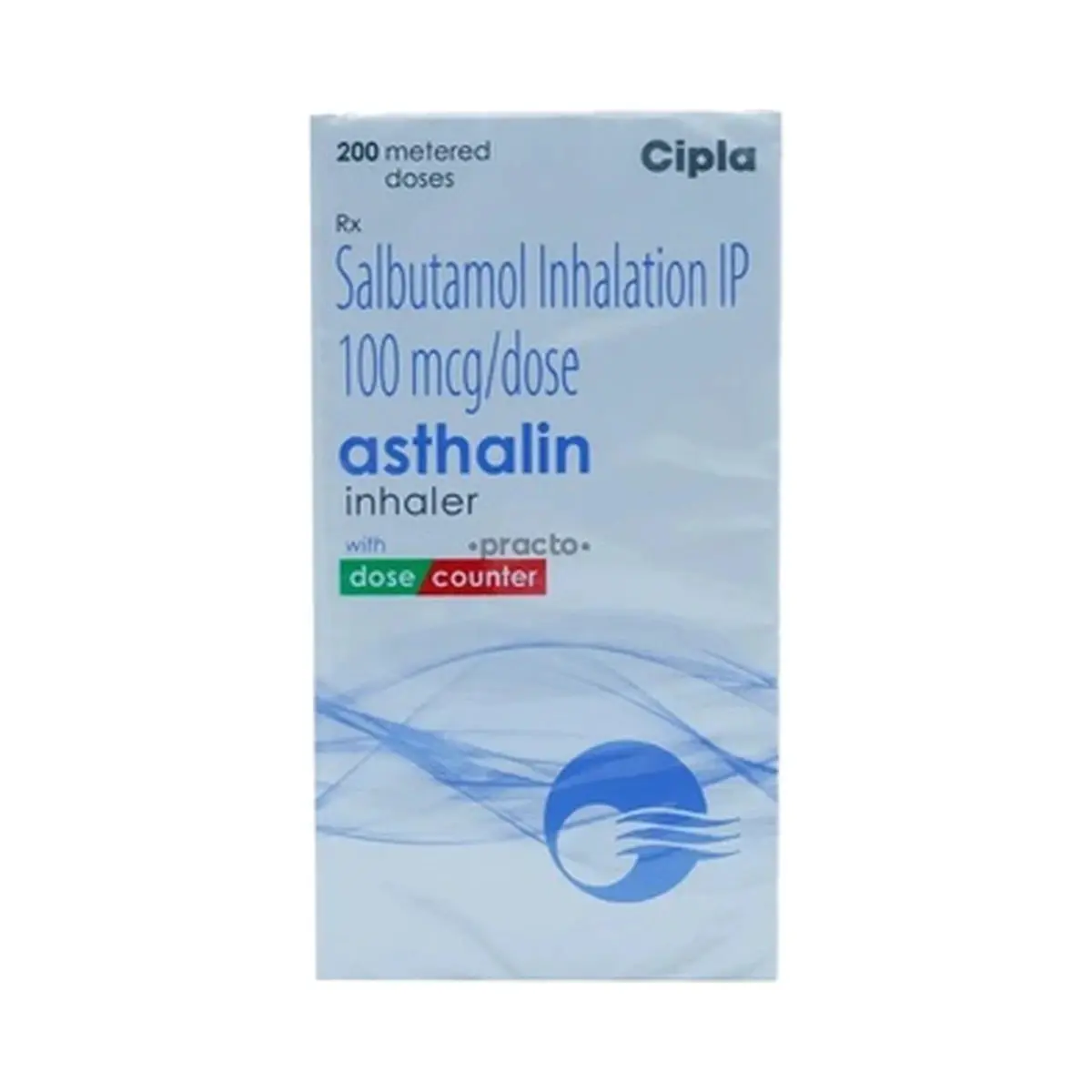
Asthalin inhaler (Salbutamol) 100 mcg
Asthalin inhaler 100 mcg is a salbutamol metered-dose inhaler. Salbutamol is a short-acting bronchodilator used to relieve bronchospasm by relaxing the muscles around the airways. Verified regulatory information for salbutamol inhalers supports its role as a rescue medicine for reversible airway narrowing.
Active Ingredient and Medicine Class
The verified active ingredient is salbutamol (also known as albuterol in the United States), a selective short-acting beta2-adrenergic agonist (SABA). This class of medicine acts directly on beta2 receptors in the airways to produce bronchodilation.
Established Medical Uses
Salbutamol inhalers are established for the relief of bronchospasm in reversible obstructive airway disease, including asthma, and for prevention of exercise-induced bronchospasm. Regulatory sources also describe use in chronic obstructive airways disease when bronchodilator relief is needed.
How It Works
Salbutamol stimulates beta2 receptors in bronchial smooth muscle, causing the airways to relax and widen. This can reduce wheeze, chest tightness and shortness of breath caused by bronchospasm. Clinical reviews describe inhaled salbutamol as producing rapid bronchodilation, often within minutes.
Important Safety Information
Salbutamol is contraindicated in people with hypersensitivity to salbutamol or other inhaler components. Important cautions include paradoxical bronchospasm, worsening asthma control, and cardiovascular effects such as tachycardia, blood pressure changes and ECG changes in susceptible patients. Regulatory sources advise caution in patients with cardiovascular disease, arrhythmias, hypertension, hyperthyroidism, diabetes mellitus and convulsive disorders.
Clinically significant interactions include non-selective beta-blockers, which may blunt the bronchodilator effect and can provoke bronchospasm in asthma; monoamine oxidase inhibitors and tricyclic antidepressants, which may potentiate cardiovascular effects; and other sympathomimetics or theophylline, which may increase adverse reactions. Salbutamol may also contribute to hypokalaemia, especially with other potassium-lowering medicines.
Possible Side Effects
Common adverse effects include tremor, palpitations, headache, nervousness, dizziness, throat irritation and rapid heart rate. Less common but important reactions include chest pain, arrhythmias, hypokalaemia, hypersensitivity reactions and paradoxical bronchospasm.
Scientific Evidence
Peer-reviewed reviews and systematic reviews support inhaled salbutamol as an effective rapid bronchodilator in asthma and other reversible obstructive airway diseases. Evidence also indicates that the clinical bronchodilator effect is generally similar across common inhaler devices when the medicine is delivered appropriately. Safety literature confirms that beta2-agonist adverse effects are usually dose-related and mainly cardiovascular or nervous-system related.
Medical Information Notice
This page is an educational summary based on sources available at the time of review and does not replace the official patient leaflet or assessment by a qualified healthcare professional.
Medical Sources
- Medicines and Healthcare products Regulatory Agency / emc: Asthalin 100 micrograms Inhaler – Summary of Product Characteristics
- U.S. Food and Drug Administration / DailyMed: Albuterol Sulfate Inhalation Aerosol, Prescribing Information
- Marques L, Vale N, et al.: Salbutamol in the Management of Asthma: A Review. International Journal of Molecular Sciences. 2022.