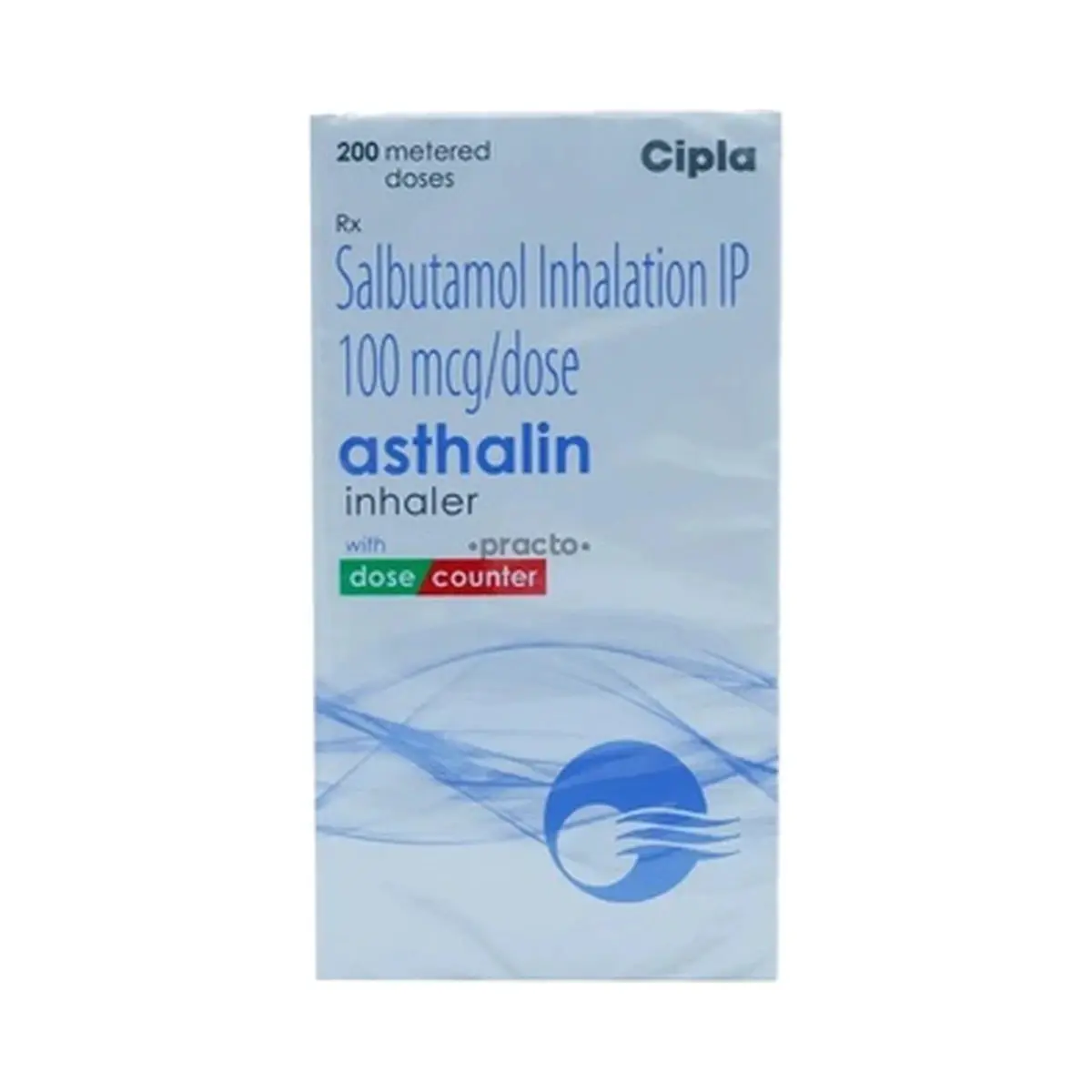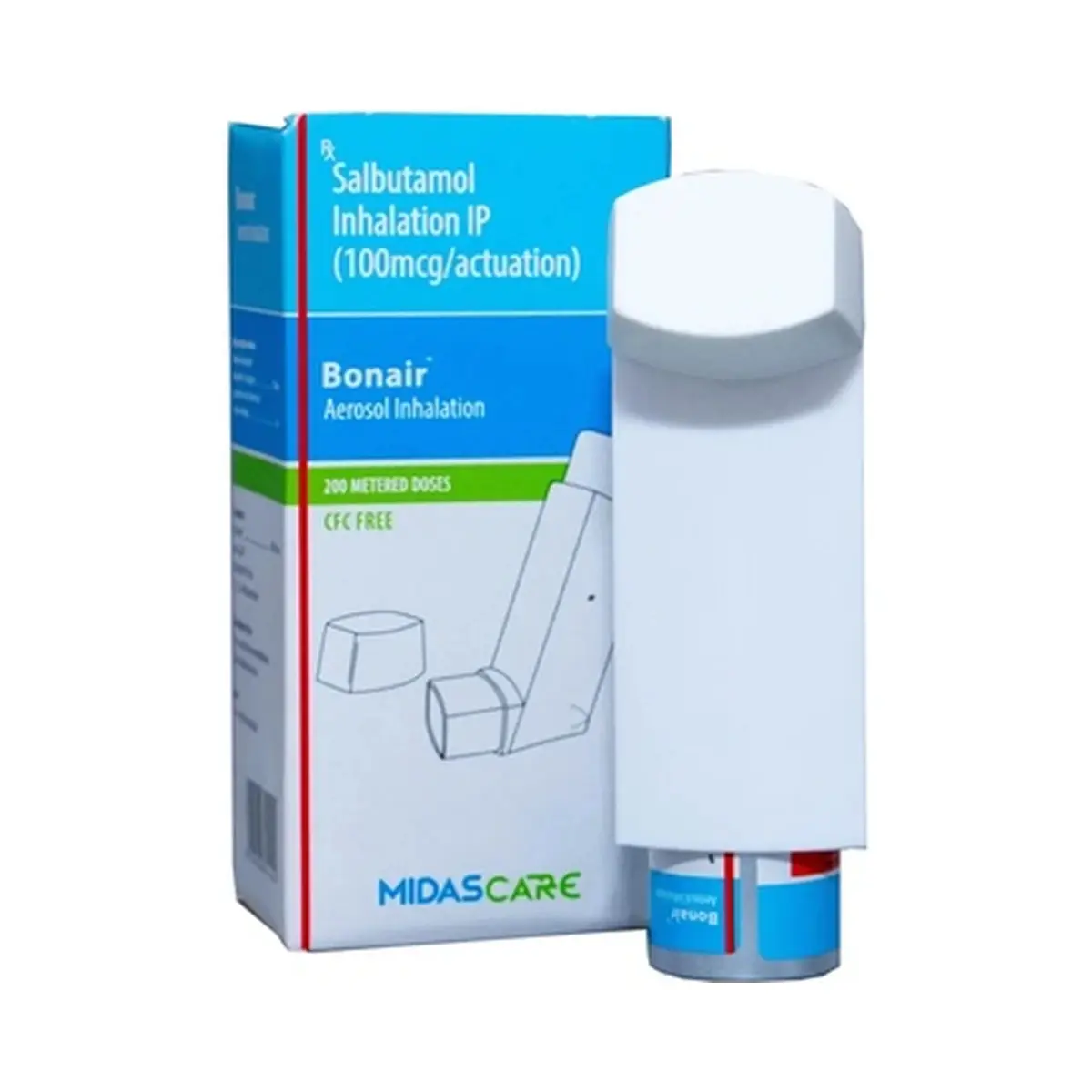
Description
Bonair aerosol (Salbutamol)
Bonair aerosol is a salbutamol-containing metered-dose inhaler. Salbutamol is a short-acting beta2-adrenergic agonist used as a bronchodilator to relieve reversible airway narrowing. It is commonly used for symptom relief in asthma and for bronchospasm associated with chronic obstructive pulmonary disease (COPD).
Active Ingredient and Medicine Class
The verified active ingredient is salbutamol (also known as albuterol in some countries). It belongs to the class of short-acting beta2-agonist bronchodilators. Regulatory product information for albuterol inhalation aerosols identifies this drug class and its inhaled bronchodilator action.
Established Medical Uses
Salbutamol inhalation is established for the treatment or prevention of bronchospasm in reversible obstructive airway disease, including asthma, and for relief of wheeze and breathlessness due to bronchoconstriction. It is also used in COPD when rapid bronchodilation is needed. Evidence reviews note that short-acting beta2-agonists remain important reliever medicines for acute symptom relief in asthma and COPD.
How It Works
Salbutamol stimulates beta2 receptors in the smooth muscle of the airways. This relaxes tightened airway muscles and helps open the bronchi, improving airflow and easing wheeze and shortness of breath. Reviews of bronchodilator pharmacology describe this as the core mechanism of benefit in obstructive lung disease.
Important Safety Information
Important warnings for inhaled albuterol/salbutamol products include paradoxical bronchospasm, which can be serious and requires discontinuation if it occurs. Other clinically significant concerns include cardiovascular effects such as palpitations or tachycardia, hypokalaemia, and caution in people with cardiovascular disease, hyperthyroidism, diabetes, or seizure disorders. Drug-interaction warnings include increased risk of adverse effects with other sympathomimetic medicines and possible interaction with beta-blockers, which can reduce bronchodilator response.
Possible Side Effects
Common adverse effects of salbutamol include tremor, nervousness, headache, palpitations, and mild increases in heart rate. More serious reactions are uncommon but may include paradoxical bronchospasm, significant arrhythmias, chest pain, and clinically relevant low potassium levels. Recent safety reviews support the need for vigilance, especially with frequent use or overuse.
Scientific Evidence
Peer-reviewed reviews and meta-analyses describe salbutamol as a well-established reliever bronchodilator for asthma and COPD. Human evidence supports rapid symptom relief through airway smooth-muscle relaxation, while safety data show that adverse effects are usually dose-related and more likely with excessive or frequent use. Reviews also note that salbutamol remains widely used, although modern asthma strategies increasingly emphasise anti-inflammatory reliever approaches for many patients.
Medical Information Notice
This page is an educational summary based on sources available at the time of review and does not replace the official patient leaflet or individual assessment by a qualified healthcare professional.
Medical Sources
- DailyMed / U.S. National Library of Medicine: ALBUTEROL SULFATE inhalation aerosol, prescribing information. View source
- Manish Patel et al.: “(R)-salbutamol in the treatment of asthma and chronic obstructive airways disease.” Expert Opinion on Pharmacotherapy (2011). PubMed