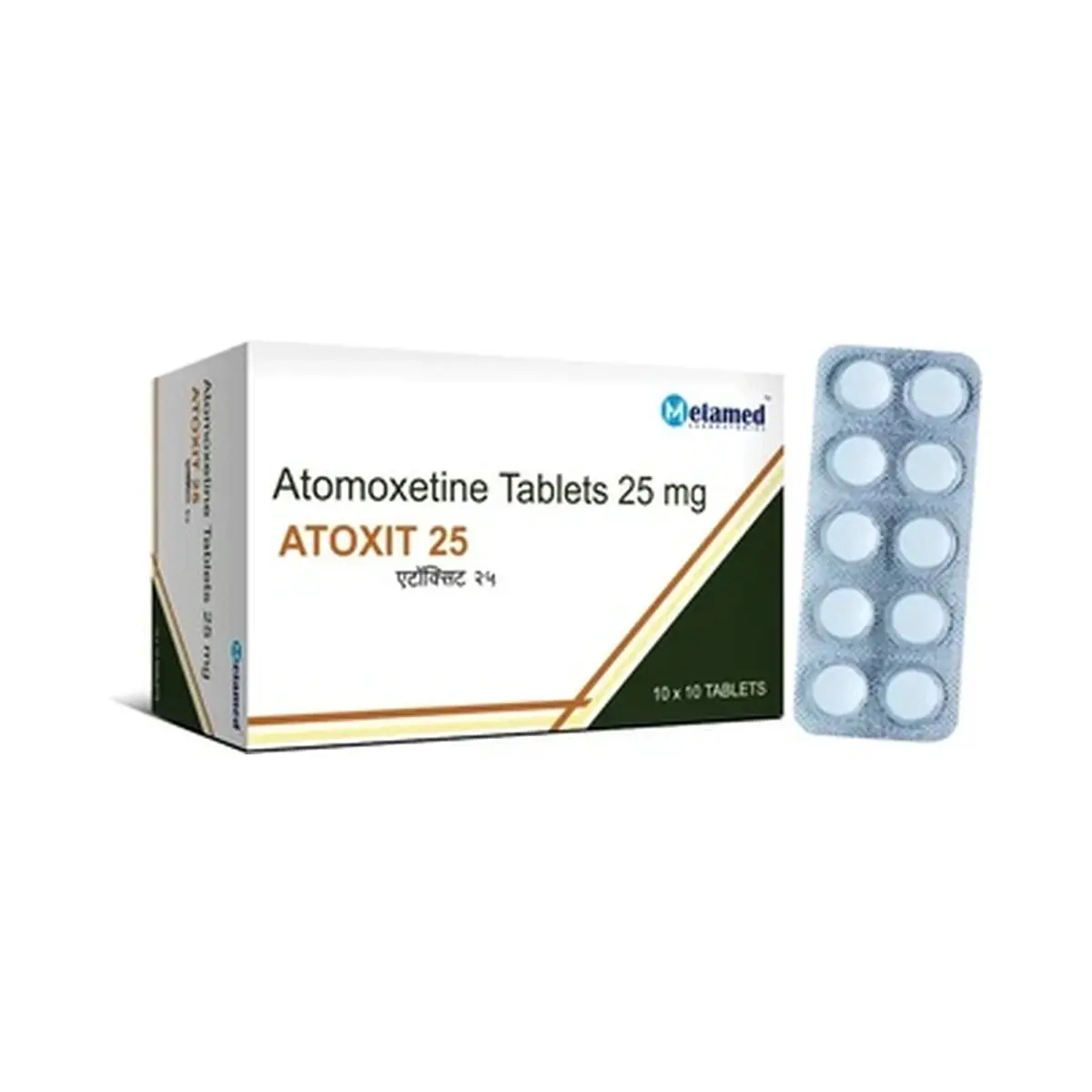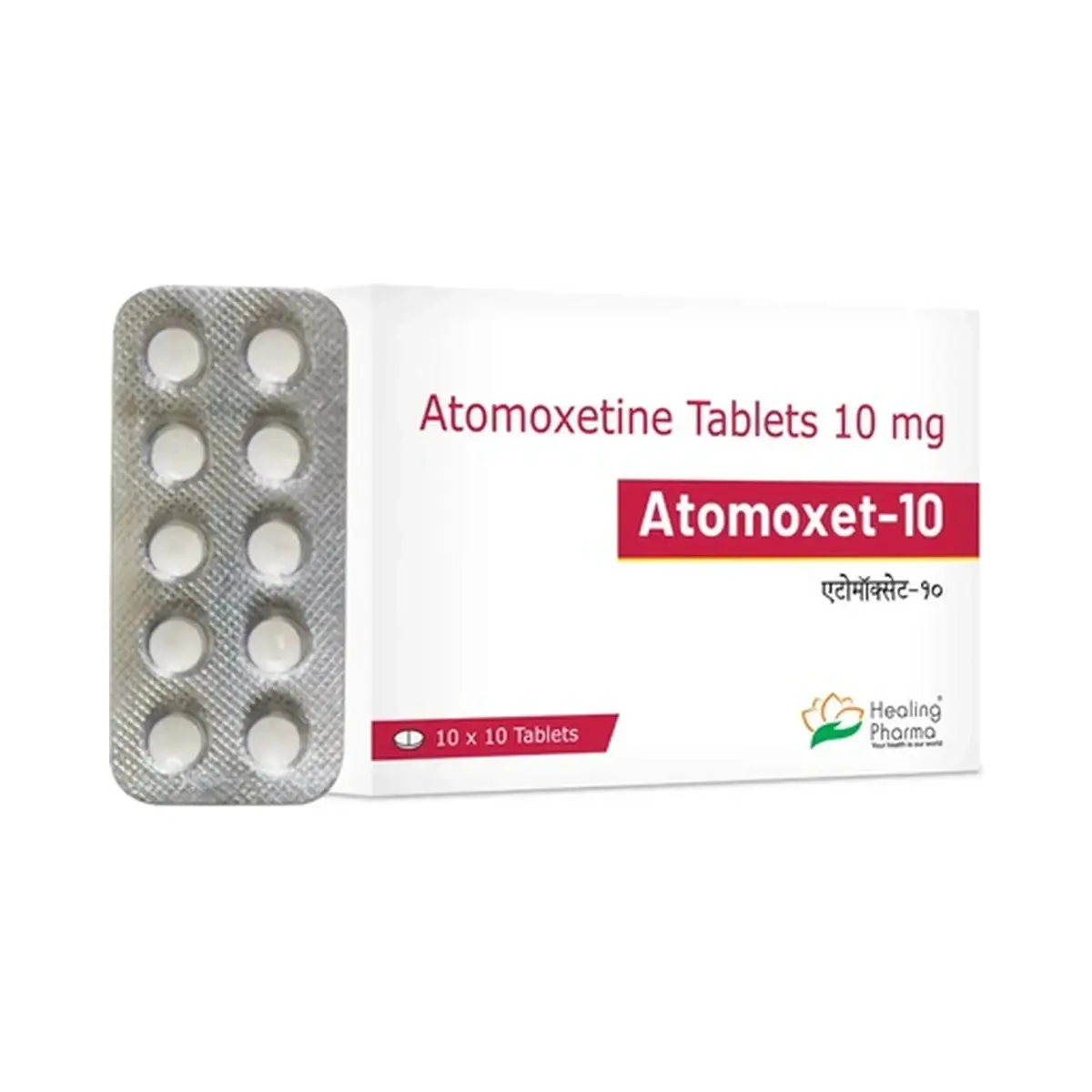
Description
Atomoxet (Atomoxetine) 10 mg
Atomoxet 10 mg is a medicine identified from the supplied product name as an atomoxetine-containing oral capsule formulation. Atomoxetine is a non-stimulant prescription medicine used in attention deficit hyperactivity disorder (ADHD) and is generally classified as a selective norepinephrine reuptake inhibitor.
Active Ingredient and Medicine Class
The verified active ingredient is atomoxetine, usually supplied as atomoxetine hydrochloride in capsule form. It belongs to the class of norepinephrine reuptake inhibitors and acts primarily on the brain’s noradrenergic system rather than as a stimulant.
Established Medical Uses
Atomoxetine is established for the treatment of ADHD in children, adolescents and adults, depending on the authorised product label in a given country. It is used as a non-stimulant option when a norepinephrine-based approach is appropriate. The medicine is not an antidepressant and is not established for general cognitive enhancement or for conditions outside its approved ADHD indication.
How It Works
Atomoxetine works by selectively inhibiting the norepinephrine transporter. This increases norepinephrine signalling in key brain regions involved in attention, impulse control and activity regulation. Clinical response is often gradual rather than immediate, which is consistent with its mechanism and with published clinical reviews.
Important Safety Information
Atomoxetine has several important contraindications and precautions. It should not be used in people with known hypersensitivity to atomoxetine or any product component. It is contraindicated with monoamine oxidase inhibitors, including use within 2 weeks of stopping an MAOI. Other important contraindications listed in official prescribing information include narrow-angle glaucoma, pheochromocytoma or a history of pheochromocytoma, and severe cardiovascular disorders that could worsen with increases in heart rate or blood pressure.
Clinically significant interactions are also important. Strong CYP2D6 inhibitors and CYP2D6 poor metaboliser status can increase atomoxetine exposure. Caution is advised with medicines that affect serotonin or noradrenaline signalling, and with other drugs that may influence blood pressure, heart rate or neuropsychiatric status. Children and adolescents require careful monitoring because official labels warn about an increased risk of suicidal ideation early in treatment.
Possible Side Effects
Commonly reported adverse effects include decreased appetite, abdominal discomfort, nausea, vomiting, fatigue, dizziness and sleep disturbance. Some patients may experience increased heart rate, increased blood pressure, mood changes or irritability. Less common but clinically important reactions include liver injury, allergic reactions, urinary retention, and worsening of glaucoma-related symptoms in susceptible patients.
As with all centrally acting medicines, the overall adverse-effect profile can vary with age, comorbid illness and interacting medicines. Any new or severe symptoms should be assessed by a qualified clinician.
Scientific Evidence
Published clinical reviews and systematic overviews consistently describe atomoxetine as an effective non-stimulant option for ADHD. Human studies have shown reductions in core ADHD symptoms such as inattention and hyperactivity compared with placebo, including in paediatric and adult populations. Reviews also note that atomoxetine may have a slower onset than stimulant medicines, but can provide sustained benefit over time.
Evidence in adults and in patients with common comorbidities suggests that atomoxetine remains a useful option when stimulant treatment is unsuitable or not preferred. However, the clinical literature also emphasises that response is variable, and that safety monitoring is important because the medicine can affect cardiovascular parameters and neuropsychiatric status.
Medical Information Notice
This page is an educational summary based on sources available at the time of review. It does not replace the official patient leaflet, the full prescribing information, or an individual medical assessment by a qualified healthcare professional.
Medical Sources
- DailyMed / U.S. prescribing information. STRATTERA (atomoxetine hydrochloride) capsule
- DailyMed / U.S. prescribing information. ATOMOXETINE capsule
- Dene Simpson et al. Atomoxetine: a review of its use in adults with attention deficit hyperactivity disorder. Drugs, 2004. View scientific article
- Hiroaki Michielsen et al. The effectiveness of atomoxetine in children, adolescents, and adults with ADHD. A systematic overview. Psychiatrische Praxis, 2005. View scientific article