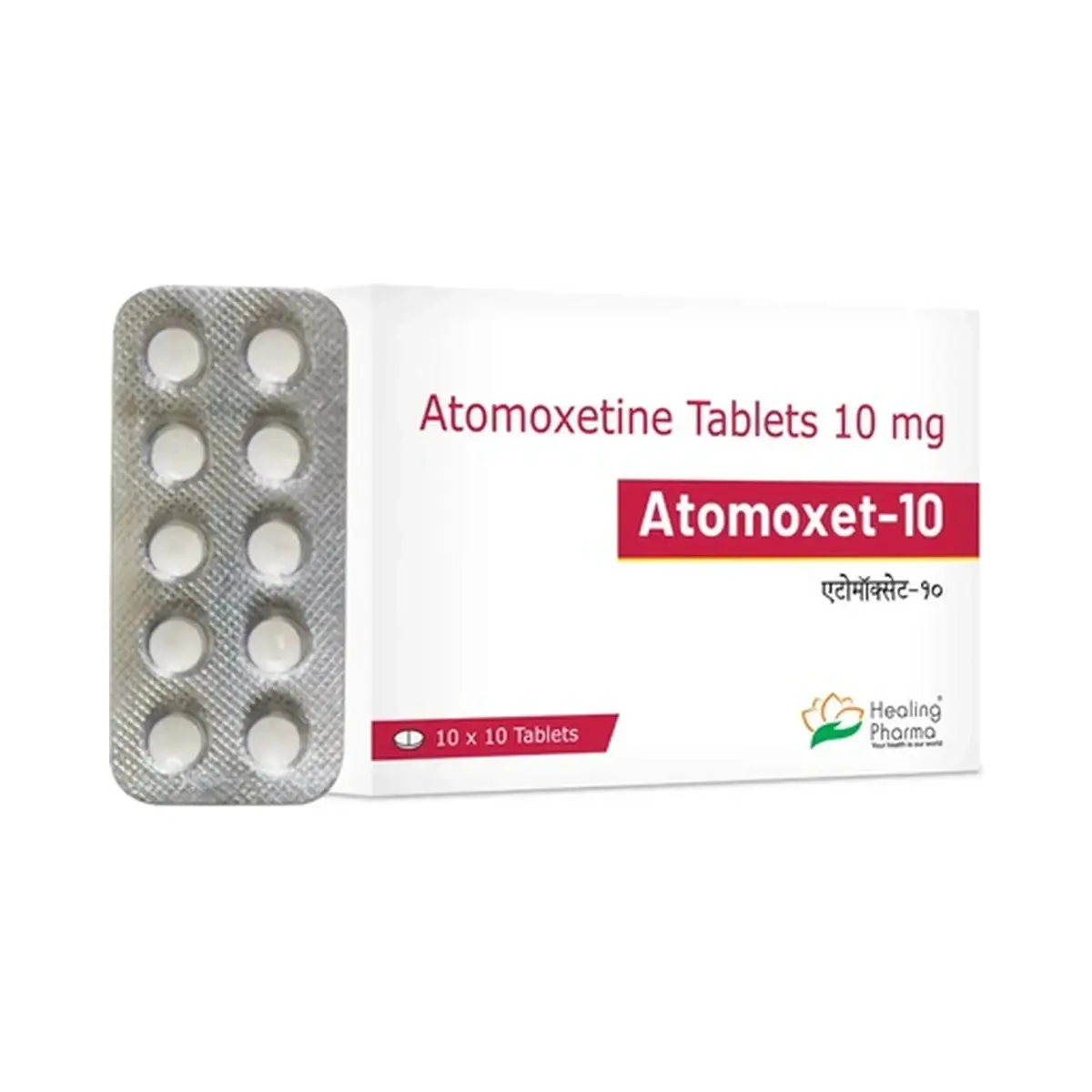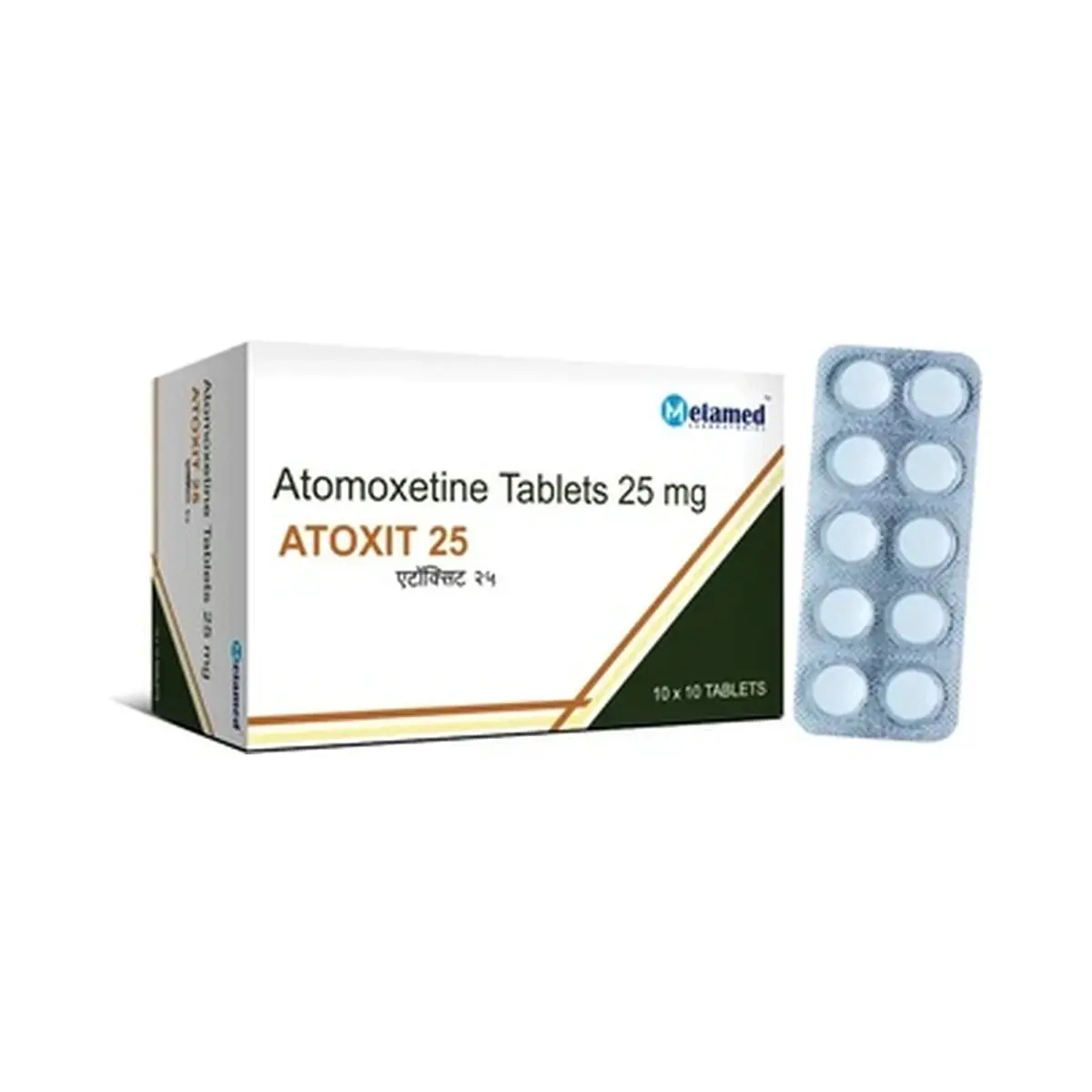
Description
Atoxit (Atomoxetine) 25 mg
Atoxit 25 mg is a brand of atomoxetine, an oral medicine used for attention-deficit/hyperactivity disorder (ADHD). The verified active ingredient is atomoxetine 25 mg, a nonstimulant prescription treatment available as a capsule or tablet-form product depending on market and manufacturer. Atomoxetine is recognised in official prescribing information as a selective norepinephrine reuptake inhibitor.
Active Ingredient and Medicine Class
The active ingredient is atomoxetine. It belongs to the selective norepinephrine reuptake inhibitor class. Unlike stimulant ADHD medicines, atomoxetine acts through noradrenergic pathways rather than direct stimulant effects. It is metabolised mainly through the CYP2D6 enzyme system, which is relevant to drug interactions and differences in how strongly the medicine may act in different patients.
Established Medical Uses
Atomoxetine is established for the treatment of ADHD. Official prescribing information supports its use in children, adolescents and adults, with some regulatory documents specifying use as part of a comprehensive treatment programme. The medicine is not an antidepressant and is not indicated for general anxiety or major depressive episodes when ADHD is not present.
How It Works
Atomoxetine increases norepinephrine signalling by reducing its reuptake into nerve cells. This helps improve attention and reduce impulsivity and hyperactivity in people with ADHD. The precise way this translates into clinical benefit is not fully known, but the medicine’s therapeutic effect is thought to be related to selective inhibition of the presynaptic norepinephrine transporter.
Important Safety Information
Atomoxetine should not be used in patients with hypersensitivity to atomoxetine or product ingredients. It is also contraindicated with monoamine oxidase inhibitors and within a minimum interval after stopping an MAOI. Official sources list additional contraindications or major restrictions including narrow-angle glaucoma, pheochromocytoma or a history of pheochromocytoma, and severe cardiovascular or cerebrovascular disorders.
Important precautions include suicidal ideation and behaviour in children and adolescents, possible increases in blood pressure and heart rate, and rare but serious cardiovascular events reported in association with treatment. Liver injury is a recognised safety concern. Clinically significant interactions may occur with strong CYP2D6 inhibitors such as fluoxetine, paroxetine and quinidine, and with serotonergic medicines, which may increase the risk of serotonin syndrome.
Possible Side Effects
Common side effects differ somewhat between children and adults, but frequently reported reactions include nausea, vomiting, decreased appetite, abdominal pain, fatigue, somnolence, constipation, dry mouth, dizziness and urinary hesitation or retention. Other reported effects include insomnia, irritability, palpitations, weight decrease and mood-related symptoms. Serious reactions are uncommon but may include severe liver injury, marked cardiovascular symptoms, allergic reactions and worsening psychiatric symptoms.
Scientific Evidence
Clinical reviews and meta-analyses indexed in PubMed support atomoxetine as an effective nonstimulant option for ADHD. Human studies show benefit in children, adolescents and adults, including patients with common comorbidities. Evidence also suggests that efficacy is generally preserved in the presence of several psychiatric comorbid conditions, although tolerability can be less favourable than placebo and some patients discontinue because of adverse effects. Overall, the published literature supports atomoxetine as a recognised ADHD treatment option rather than a first-line stimulant substitute for every patient.
Medical Information Notice
This summary is an educational overview based on sources available at the time of review. It does not replace the official patient leaflet, local prescribing information, or assessment by a qualified healthcare professional.
Medical Sources
- U.S. Food and Drug Administration / DailyMed. Atomoxetine capsule, prescribing information. View official prescribing information
- Medicines and Healthcare products Regulatory Agency / electronic Medicines Compendium. Atomoxetine 80 mg hard capsules, Summary of Product Characteristics. View SmPC
- Christopher J. Kratochvil et al. Atomoxetine: a selective noradrenaline reuptake inhibitor for the treatment of attention-deficit/hyperactivity disorder. Expert Opinion on Pharmacotherapy, 2003. View scientific article
- Nevena V. Radonjić et al. Nonstimulant Medications for Attention-Deficit/Hyperactivity Disorder (ADHD) in Adults: Systematic Review and Meta-analysis. CNS Drugs, 2023. View scientific article