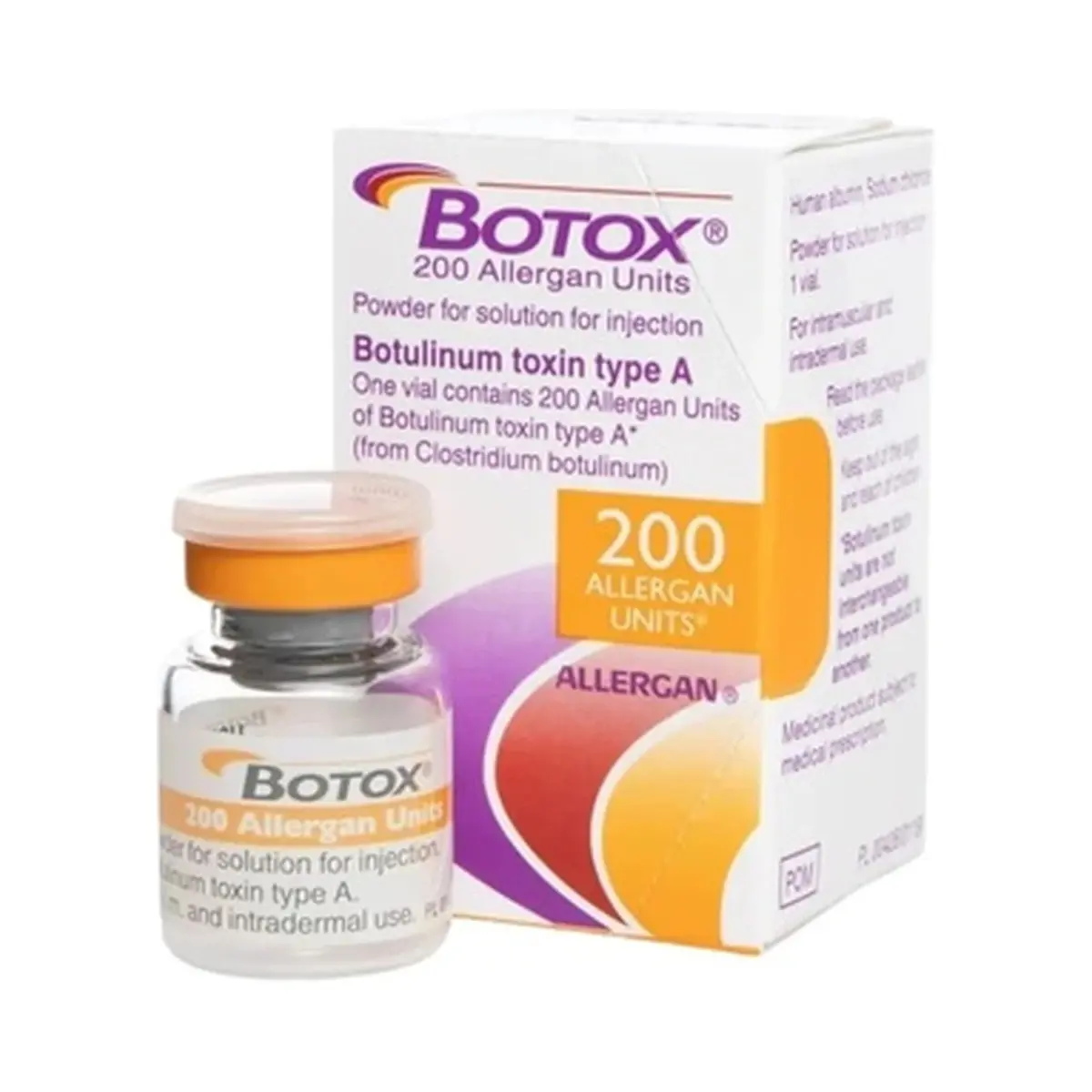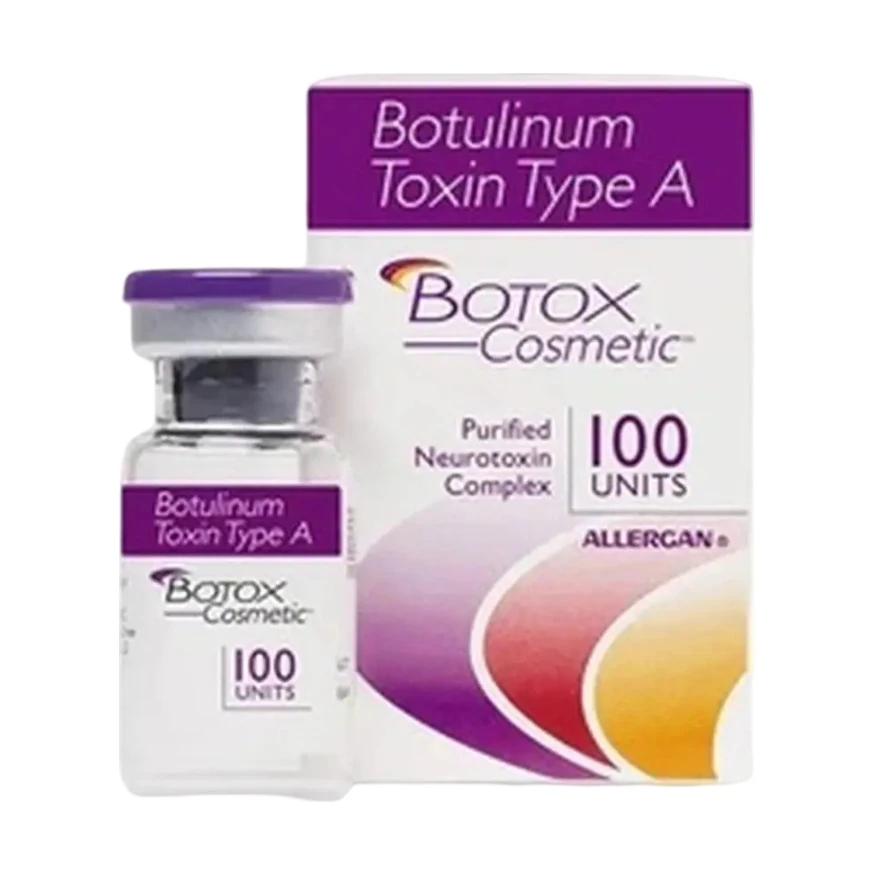
Description
BOTOX (OnabotulinumtoxinA)
BOTOX is a prescription medicine containing onabotulinumtoxinA, a purified botulinum toxin type A preparation supplied as a sterile powder for injection. It is used in carefully selected medical and aesthetic settings to reduce excessive muscle activity or glandular activity for a temporary period. The exact uses depend on the approved labeling in the country where it is supplied.
Active Ingredient and Medicine Class
The verified active ingredient is onabotulinumtoxinA. It belongs to the class of botulinum neurotoxins and is described in prescribing information as an acetylcholine release inhibitor and neuromuscular blocking agent. In practical terms, it weakens targeted nerve-to-muscle signaling.
Established Medical Uses
Official labeling for BOTOX includes several established therapeutic uses, which may include overactive bladder, detrusor overactivity associated with neurologic conditions, chronic migraine, certain forms of spasticity, cervical dystonia, blepharospasm, strabismus, and primary axillary hyperhidrosis, depending on the jurisdiction and product label. Some markets also recognize aesthetic uses under separate labeling. The approved indication set is broader than simple cosmetic wrinkle reduction.
How It Works
OnabotulinumtoxinA works at the nerve ending by blocking the release of acetylcholine, a chemical messenger needed for muscle contraction and some glandular secretion. When injected into a selected site, this can reduce unwanted tightening of muscles or decrease overactivity of sweat or bladder muscles. The effect is local but can spread beyond the intended site in some cases.
Important Safety Information
BOTOX should not be used in people with known hypersensitivity to botulinum toxin products or to components of the formulation. It is also contraindicated in the presence of infection at the proposed injection site. For intradetrusor use, it is contraindicated in patients with urinary tract infection and in certain patients with urinary retention or elevated post-void residual who are not routinely performing clean intermittent catheterization.
Prescribing information warns that botulinum toxin effects may spread beyond the injection site and cause symptoms such as generalized weakness, double vision, drooping eyelids, speech changes, swallowing difficulty, or breathing problems. Risk may be higher in people with pre-existing swallowing or breathing difficulties and in those with neuromuscular disorders such as myasthenia gravis or Lambert-Eaton syndrome.
Important interactions include aminoglycoside antibiotics and other medicines that interfere with neuromuscular transmission, which may potentiate the effect of botulinum toxin. Caution is also advised with anticholinergic drugs because systemic anticholinergic effects may be increased. The potency units used for BOTOX are product-specific and are not interchangeable with units of other botulinum toxin products.
Possible Side Effects
Common adverse effects vary by indication and treated area. Reported reactions include injection-site pain, headache, neck pain, localized weakness, eyelid drooping, facial weakness, muscle stiffness, urinary tract infection, urinary retention, dysphagia, and upper respiratory tract infection. More serious reactions, although less common, can include aspiration, severe swallowing or breathing problems, allergic reactions, and distant spread of toxin effect.
Scientific Evidence
Human clinical evidence supports the use of onabotulinumtoxinA in several approved conditions. In chronic migraine, placebo-controlled trials showed benefit for prevention in appropriately selected adults. In facial wrinkle treatment, randomized evidence summarized in systematic reviews shows that botulinum toxin type A products can reduce the appearance of dynamic wrinkles, while also producing predictable local adverse effects such as eyelid ptosis in some patients. The clinical literature also supports its use in spasticity and cervical dystonia, where targeted muscle relaxation is the intended therapeutic effect.
Medical Information Notice
This page is an educational summary based on sources available at the time of review. It does not replace the official patient leaflet, full prescribing information, or assessment by a qualified healthcare professional.
Medical Sources
- U.S. Food and Drug Administration. BOTOX (onabotulinumtoxinA) Prescribing Information
- DailyMed / U.S. National Library of Medicine. BOTOX (onabotulinumtoxinA) injection, label information
- Avi Ashkenazi, Andrew Blumenfeld et al. OnabotulinumtoxinA for the treatment of headache. Headache, 2013. View scientific article
- Cristina Pires Camargo, Jun Xia, Caroline S Costa, Rolf Gemperli, Maria Dc Tatini, Max K Bulsara, Rachel Riera et al. Botulinum toxin type A for facial wrinkles. Cochrane Database of Systematic Reviews, 2021. View scientific article