Description
BOTOX (Botulinum Toxin)
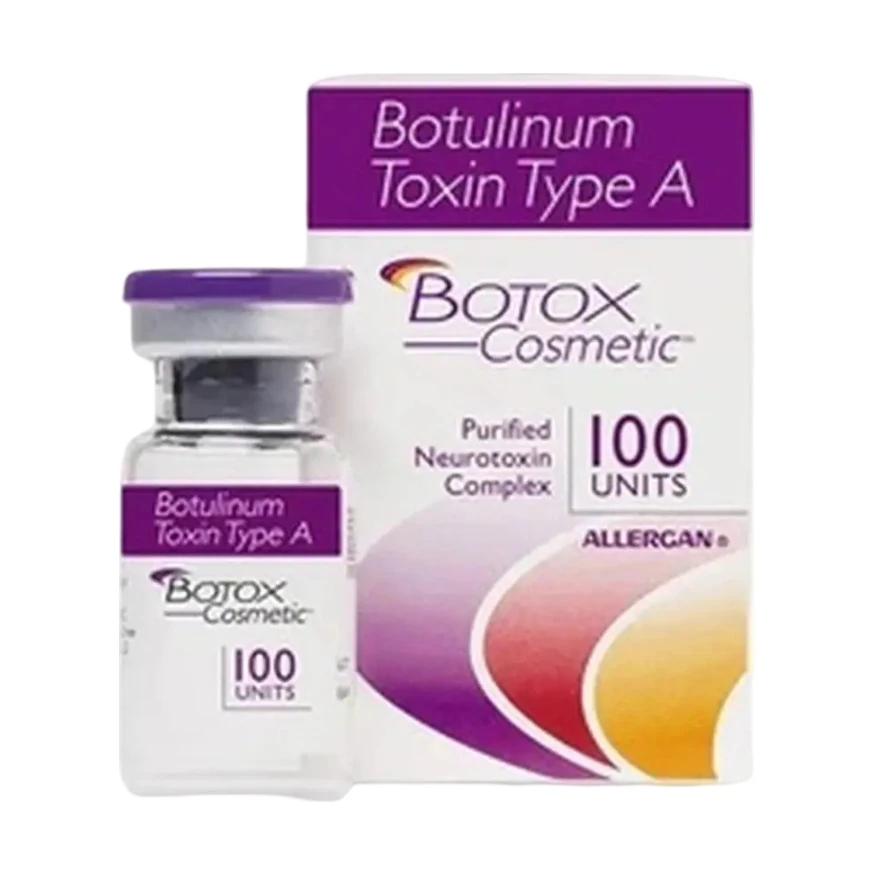
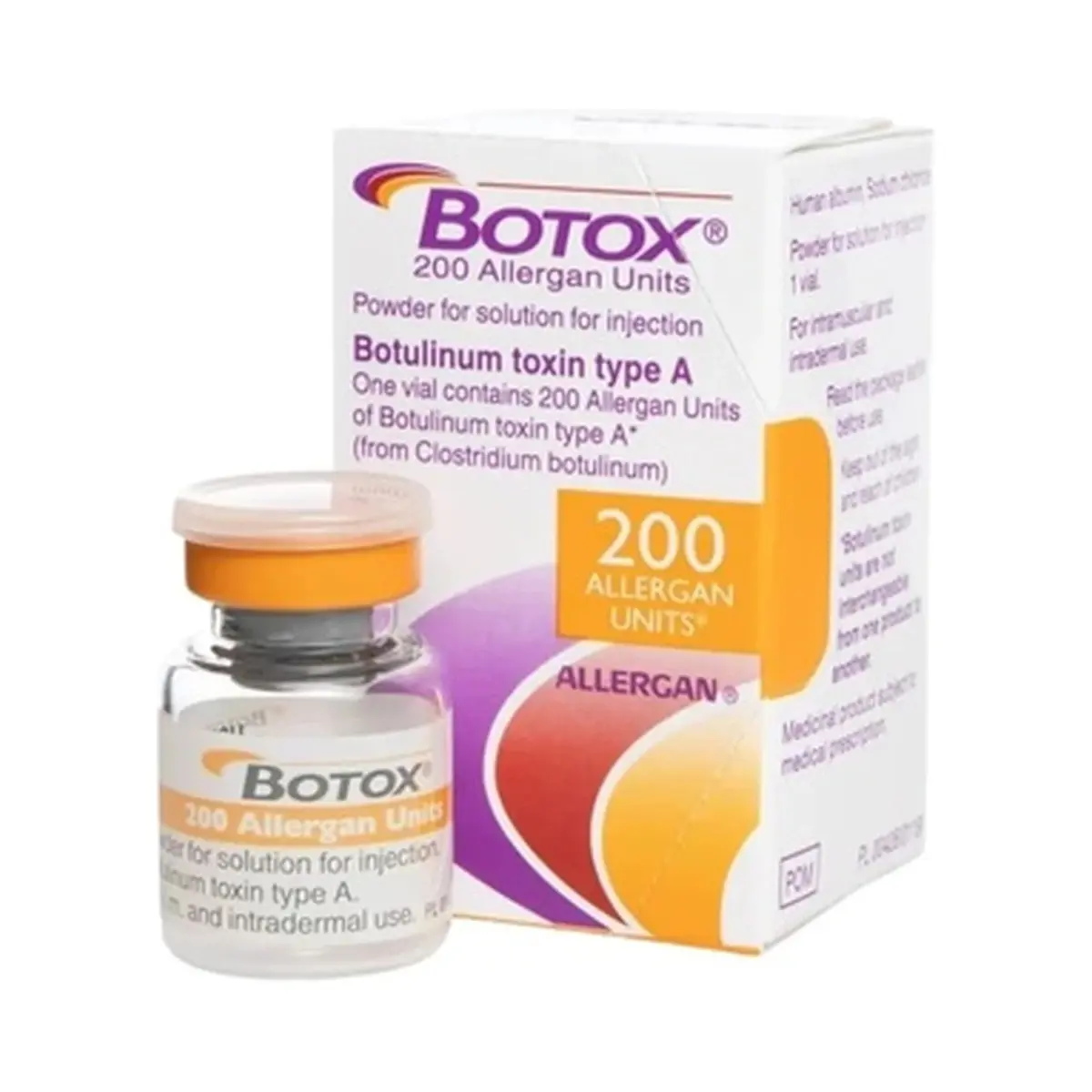
BOTOX is the brand name for onabotulinumtoxinA, a prescription botulinum toxin type A product supplied as a sterile, vacuum-dried powder for injection. The verified 200 IU vial strength identifies the product presentation, not a recommended dose. In clinical practice, it is used for selected neuromuscular and glandular conditions, and in some settings for cosmetic indications under a different labelled product presentation.
Active Ingredient and Medicine Class
The active ingredient in BOTOX is botulinum toxin type A. It is classified as an acetylcholine release inhibitor and a neuromuscular blocking agent. The product contains a purified botulinum toxin complex together with human albumin and sodium chloride as listed excipients.
Established Medical Uses
Official prescribing information for BOTOX lists several established indications, including certain bladder disorders, chronic migraine, spasticity, cervical dystonia, primary axillary hyperhidrosis, and blepharospasm/strabismus. The exact approved use depends on the patient group and the route of administration described in the official label. BOTOX Cosmetic is a separate labelled product presentation for selected aesthetic uses.
How It Works
BOTOX works by blocking the release of acetylcholine at nerve endings, which reduces communication between nerves and targeted muscles or glands. This temporary chemical denervation can decrease excessive muscle contraction, reduce unwanted gland activity such as sweating, and in some conditions may also modulate pain pathways. Its effects are localised to the injected region, although systemic spread is possible.
Important Safety Information
BOTOX carries a boxed warning about the possibility of distant spread of toxin effect. This can cause symptoms such as generalized weakness, double vision, drooping eyelids, speech changes, swallowing difficulty, and breathing problems. These reactions may occur hours to weeks after treatment and can be serious.
It is contraindicated in people with hypersensitivity to botulinum toxin preparations or to formulation components, and at the proposed injection site if there is infection. For intradetrusor use, urinary tract infection and urinary retention are additional contraindications.
Important precautions include a higher risk of clinically significant weakness in people with neuromuscular junction disorders such as myasthenia gravis or Lambert-Eaton syndrome, and in those with underlying swallowing or breathing problems. Clinically significant interactions may occur with aminoglycoside antibiotics, other agents that interfere with neuromuscular transmission, anticholinergic medicines, muscle relaxants, and other botulinum toxin products.
Potency units are product-specific and are not interchangeable with those of other botulinum toxin preparations.
Possible Side Effects
Common adverse effects vary by indication and injection site, but may include localized pain, bruising, tenderness, muscle weakness, headache, neck pain, eyelid drooping, stiffness, fatigue, dry eye, or flu-like symptoms. In bladder-related use, urinary tract infection, urinary retention, and bacteriuria are important recognised reactions.
More serious adverse reactions can include severe dysphagia, aspiration, breathing difficulty, generalized weakness, hypersensitivity reactions, and significant functional impairment from spread of toxin effect. In cosmetic use and other localised use, unwanted weakness of nearby muscles may also occur.
Scientific Evidence
Human clinical studies and reviews support the use of onabotulinumtoxinA in several approved conditions, including chronic migraine, cervical dystonia, spasticity, and certain bladder disorders. In chronic migraine, controlled trials and later reviews have shown reductions in headache frequency and acceptable tolerability for many patients, although treatment-related adverse events are more common than with placebo. Review literature also supports a sensory and antinociceptive component to the mechanism in migraine, beyond simple muscle relaxation. Scientific evidence should be interpreted within the context of the specific approved indication and product label.
Medical Information Notice
This page is an educational summary based on sources available at the time of review. It does not replace the official patient leaflet, prescribing information, or assessment by a qualified healthcare professional.
Medical Sources
- U.S. Food and Drug Administration / DailyMed. BOTOX (onabotulinumtoxinA) prescribing information. View official prescribing information
- Jankovic J et al. OnabotulinumtoxinA for treatment of chronic migraine: pooled results from the double-blind, randomized, placebo-controlled phases of the PREEMPT clinical program. Cephalalgia, 2010. View scientific article
- Cheng F, Ahmed F. OnabotulinumtoxinA for the prophylactic treatment of headaches in adult patients with chronic migraine: a safety evaluation. Expert Opinion on Drug Safety, 2021. View scientific article
- O’Quinn S et al. Mechanism of Action of OnabotulinumtoxinA in Chronic Migraine: A Narrative Review. Headache, 2020. View scientific article