Description
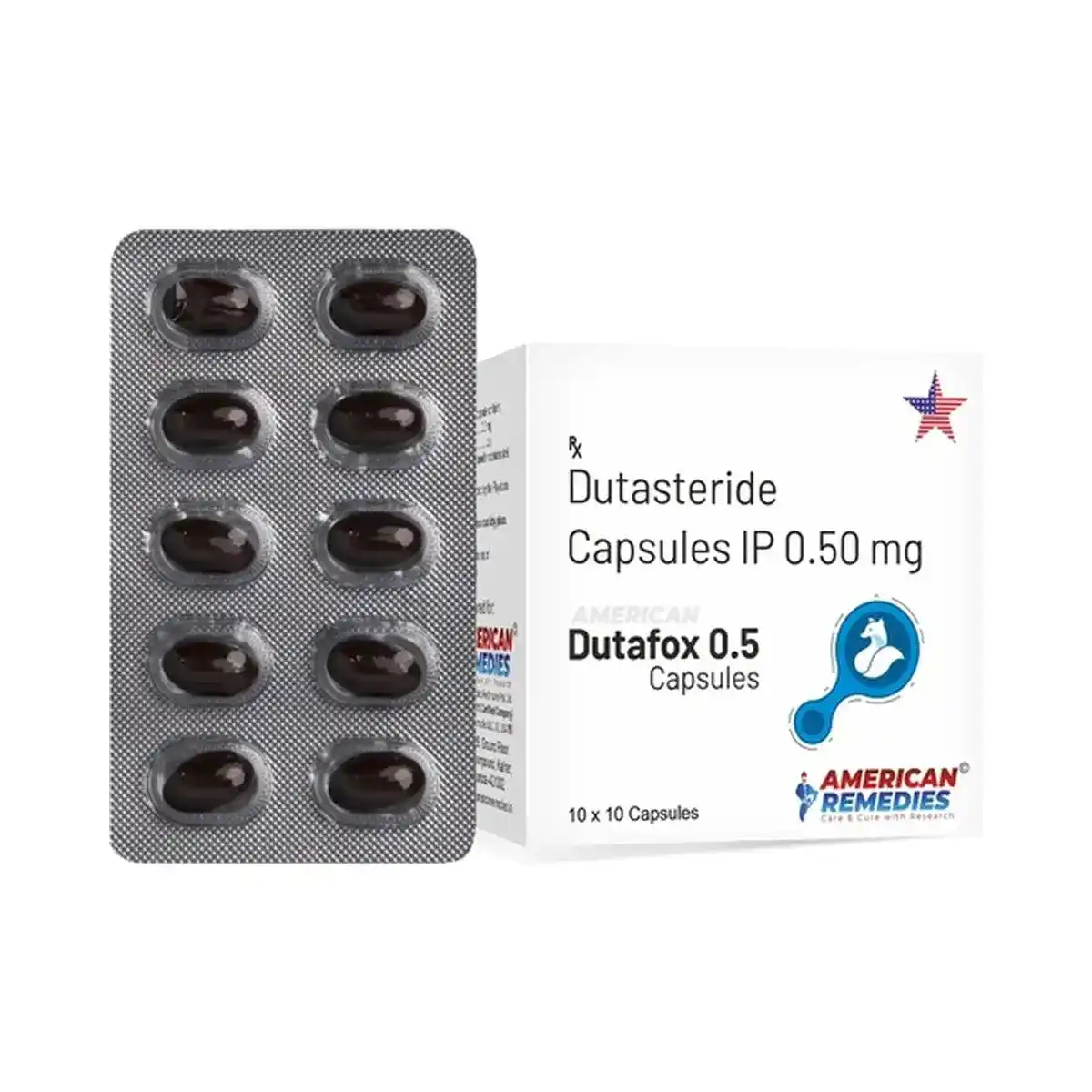
Dutafox (Dutasteride) 0.5 mg
Dutafox 0.5 mg appears to be a branded presentation of dutasteride, a prescription 5-alpha-reductase inhibitor used in men with benign prostatic hyperplasia (BPH). Verified prescribing information for dutasteride states that it is used to improve urinary symptoms related to BPH and to reduce the risk of acute urinary retention and BPH-related surgery in men with an enlarged prostate.
Active Ingredient and Medicine Class
The active ingredient is dutasteride 0.5 mg. Dutasteride belongs to the 5-alpha-reductase inhibitor class. It inhibits both type 1 and type 2 5-alpha-reductase enzymes, which are involved in the conversion of testosterone to dihydrotestosterone (DHT). By lowering DHT, dutasteride helps reduce prostate enlargement over time.
Established Medical Uses
Established prescribing information supports dutasteride for symptomatic BPH in men with an enlarged prostate. Its documented benefits include improvement of urinary symptoms, reduction in the risk of acute urinary retention, and reduction in the need for surgery related to BPH. Some products also describe use in combination with tamsulosin for symptomatic BPH in men with an enlarged prostate.
Dutasteride is not approved for the prevention of prostate cancer.
How It Works
Dutasteride blocks the enzyme pathway that converts testosterone into DHT. Because DHT is a major driver of prostate growth, lowering DHT can gradually reduce prostate volume and relieve pressure on the urinary tract. This mechanism explains why the medicine is used in BPH rather than for rapid symptom relief.
Important Safety Information
Dutasteride is contraindicated in pregnancy because exposure may harm a male fetus. It should not be used by women who are pregnant, and handling of leaking capsules should be avoided in that setting.
Important precautions include the need to consider other urological conditions that can mimic BPH symptoms, including prostate cancer. Dutasteride also changes prostate-specific antigen (PSA) interpretation; the PSA value may need adjustment in men receiving therapy. Clinically significant hypersensitivity to dutasteride or any capsule component is also a contraindication.
Potentially relevant interactions include caution with potent chronic CYP3A4 inhibitors, such as ritonavir, because dutasteride is extensively metabolised by CYP3A4 and CYP3A5. When dutasteride is used with an alpha-blocker such as tamsulosin, additive effects and associated adverse effects should be considered.
Possible Side Effects
The most commonly reported adverse effects in prescribing information include erectile dysfunction, decreased libido, ejaculation disorders, and breast-related effects such as enlargement or tenderness. Dizziness is reported more often when dutasteride is used in combination with tamsulosin.
Less common but important reactions described in official information include hypersensitivity reactions such as rash, urticaria, oedema, and angioedema. Depressed mood has also been reported. As with many medicines that affect androgen pathways, breast changes and testicular discomfort have been described.
Scientific Evidence
Randomised clinical trial data and meta-analyses support dutasteride as an effective treatment for BPH in appropriately selected men. Published reviews report improvements in urinary symptom scores, peak urinary flow, and prostate volume compared with placebo, along with a reduction in BPH progression outcomes. Comparative evidence also suggests that dutasteride and finasteride have broadly similar efficacy and safety profiles, with some studies showing modest differences in symptom and PSA outcomes.
Longer-term safety analyses have generally found dutasteride to be well tolerated, with sexual adverse effects and breast-related effects remaining the most notable treatment-emergent problems. These findings are consistent with its hormonal mechanism and official prescribing information.
Medical Information Notice
This summary is provided for educational purposes only and is based on sources available at the time of review. It does not replace the official patient leaflet, product labelling, or assessment by a qualified healthcare professional.
Medical Sources
- U.S. Food and Drug Administration (FDA) Avodart (dutasteride) prescribing information
- DailyMed Dutasteride capsules, full prescribing information
- Gerald L Andriole et al. Safety and tolerability of the dual 5alpha-reductase inhibitor dutasteride in the treatment of benign prostatic hyperplasia. European Urology, 2003. View scientific article
- Xiao-Jun Wu et al. Dutasteride on benign prostatic hyperplasia: a meta-analysis on randomized clinical trials in 6460 patients. Urology, 2014. View scientific article