Description
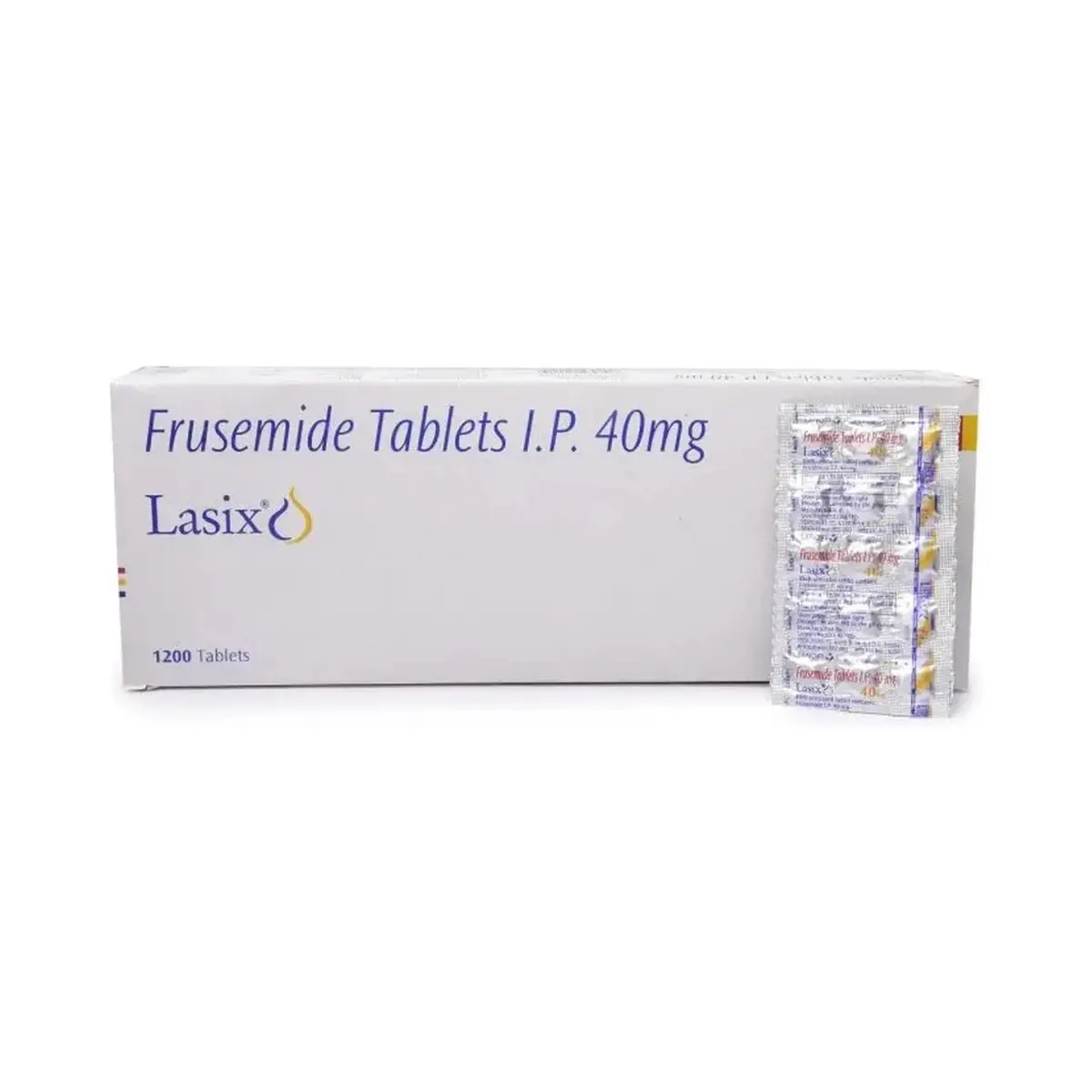
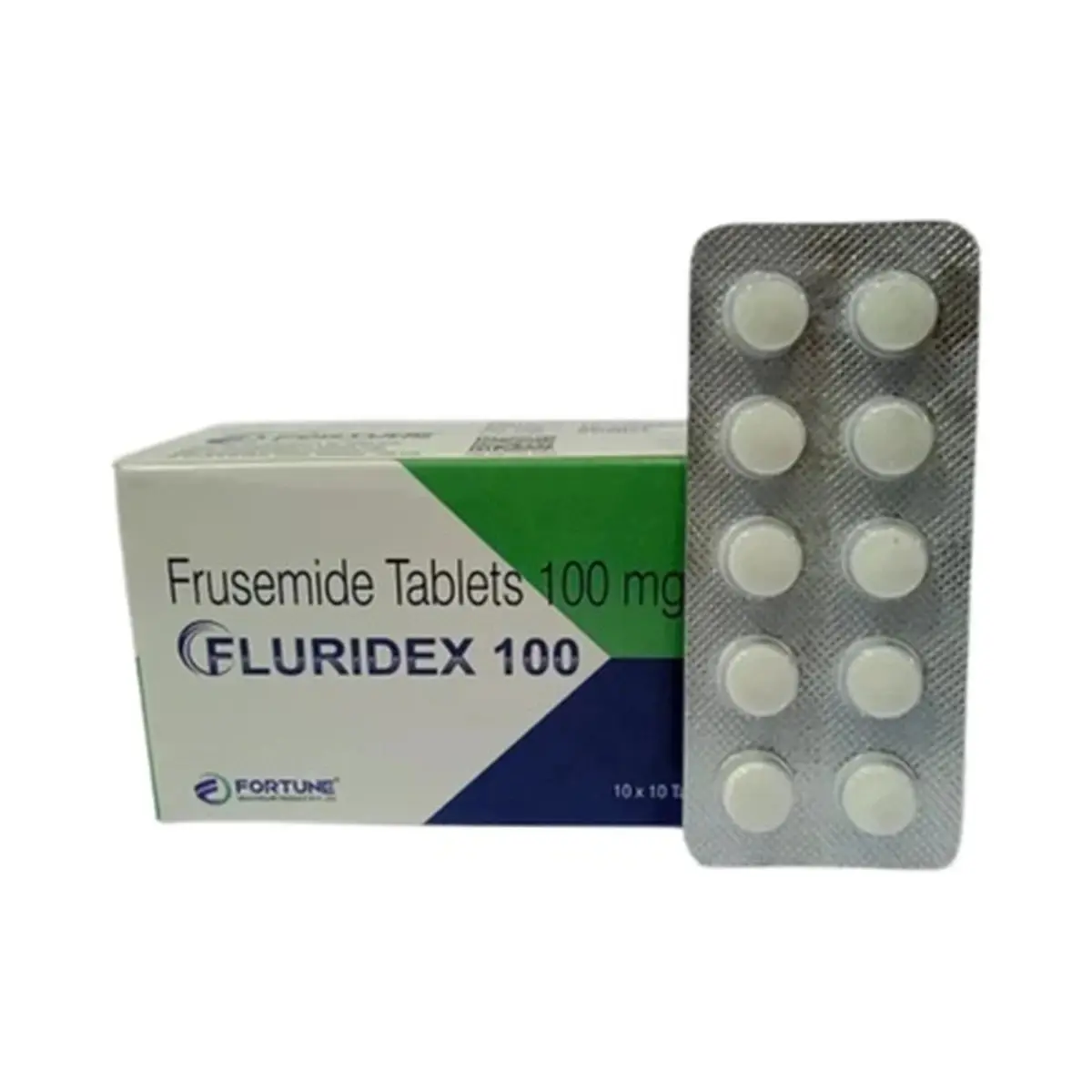
Fluridex (Furosemide) 100 mg – 10 tablets
Fluridex is presented as a furosemide medicine. Furosemide is a well-established loop diuretic used to reduce excess fluid in the body and, in adults, to help manage hypertension in selected situations. The exact 100 mg presentation should be verified against the local product label, as tablet strengths can differ by market and manufacturer.
Active Ingredient and Medicine Class
The verified active ingredient is furosemide. It belongs to the loop diuretic class. Loop diuretics are powerful medicines that promote salt and water excretion by the kidneys. Furosemide is also described as an anthranilic acid derivative.
Established Medical Uses
Official prescribing information for oral furosemide tablets lists use in adults and pediatric patients for edema associated with congestive heart failure, cirrhosis of the liver, and renal disease, including the nephrotic syndrome. In adults, it may also be used for hypertension, either alone or with other antihypertensive medicines.
Because it is a potent diuretic, furosemide is generally reserved for situations where a stronger diuretic effect is needed. Its role in blood pressure control is more limited than that of some other antihypertensive classes, but it remains an established option in selected patients.
How It Works
Furosemide acts in the kidney, mainly in the loop of Henle, where it inhibits sodium and chloride reabsorption. This reduces the body’s ability to retain salt and water, leading to increased urine output and a reduction in fluid overload. Its high diuretic effect is largely related to this specific site of action.
Because the medicine can change fluid balance relatively quickly, its effects are often closely monitored in clinical practice, especially when fluid retention is significant or kidney function is impaired.
Important Safety Information
Oral furosemide is contraindicated in patients with anuria and in those with a history of hypersensitivity to furosemide. Important cautions include dehydration, low blood volume, electrolyte depletion, kidney function changes, and the risk of hepatic coma in susceptible patients with cirrhosis or severe electrolyte imbalance.
Clinically significant interactions are reported with aminoglycoside antibiotics, ethacrynic acid, lithium, ACE inhibitors, angiotensin II receptor blockers, cisplatin, cephalosporins, salicylates, NSAIDs, and other ototoxic or nephrotoxic medicines. Furosemide may also increase the blood pressure-lowering effect of other antihypertensive medicines. Patients with sulfonamide allergy may also react to furosemide, although this is not universal.
Because furosemide can alter potassium, sodium, magnesium, calcium, glucose, uric acid, and kidney-related laboratory values, monitoring is commonly part of safe use in clinical settings.
Possible Side Effects
Commonly recognised adverse effects include increased urination, dizziness, weakness, thirst, low blood pressure, and symptoms related to fluid or electrolyte loss. Gastrointestinal effects such as nausea, vomiting, diarrhea, constipation, or cramping may also occur.
More serious reactions can include marked dehydration, electrolyte disturbances, worsening kidney function, hearing changes such as tinnitus or hearing loss, hypersensitivity reactions, and severe skin reactions. Less common but important effects include hyperglycemia, hyperuricemia, and orthostatic hypotension.
Scientific Evidence
Peer-reviewed reviews consistently describe furosemide as a major treatment for fluid overload in heart failure, kidney disease, and cirrhosis. The published literature also notes practical limitations such as variable oral absorption, dose-response differences between patients, and the development of diuretic resistance in some settings.
Human evidence and review articles support its established pharmacology and clinical usefulness, while also showing that careful attention to kidney function, electrolytes, and interacting medicines is important. Current scientific discussions focus on optimizing loop diuretic use rather than questioning furosemide’s core role as a standard loop diuretic.
Medical Information Notice
This page is an educational summary based on sources available at the time of review. It does not replace the official patient leaflet, product-specific labeling, or assessment by a qualified healthcare professional.
Medical Sources
- DailyMed. Furosemide tablet, USP prescribing information. View official prescribing information
- FDA / AccessData. Furosemide injection highlights of prescribing information. View official FDA label
- Maxwell Eyram Afari et al. Subcutaneous furosemide for the treatment of heart failure: a state-of-the art review. Heart Failure Reviews, 2019. View scientific article
- Peter Samuel Eid et al. Comparative effects of furosemide and other diuretics in the treatment of heart failure: a systematic review and combined meta-analysis of randomized controlled trials. Heart Failure Reviews, 2021. View scientific article