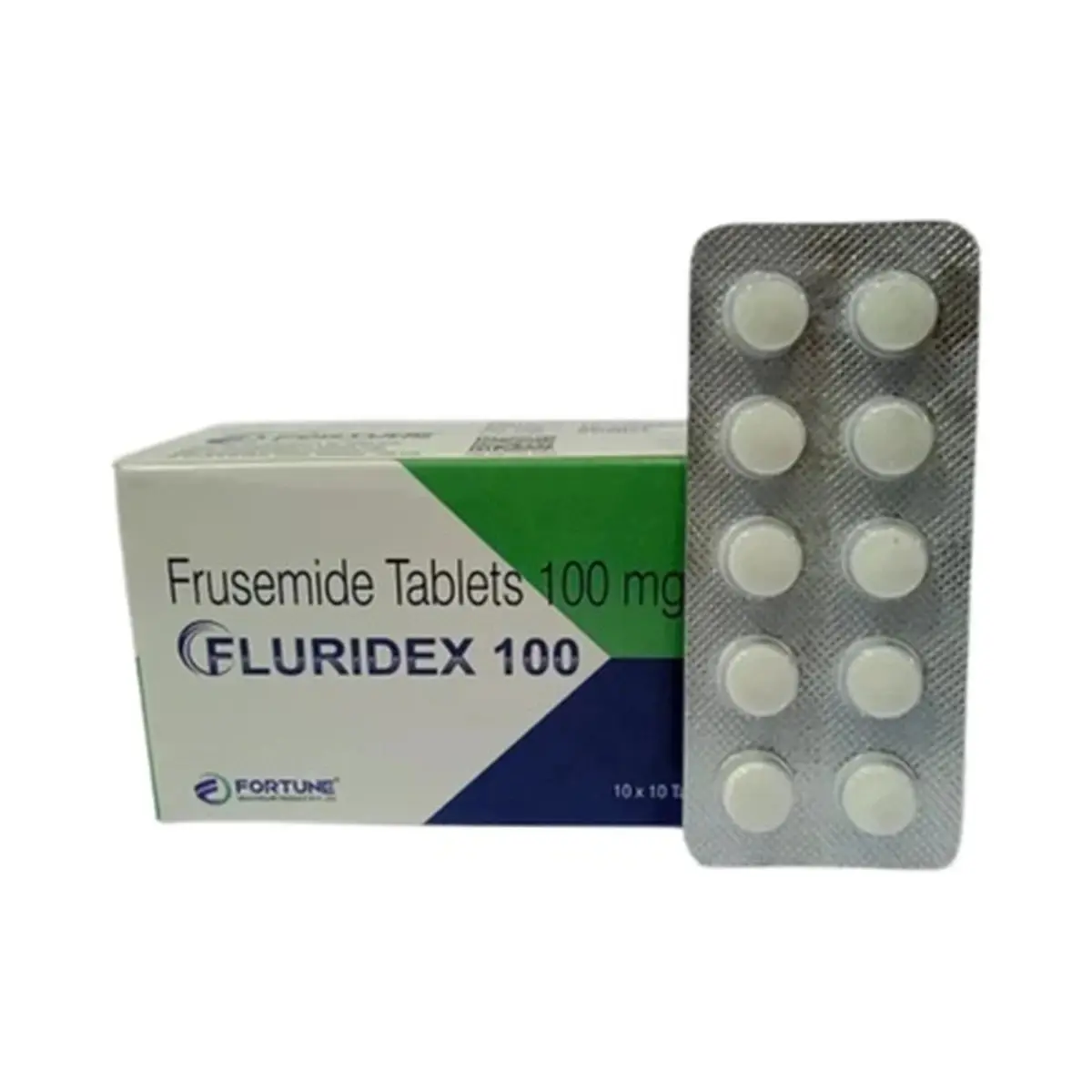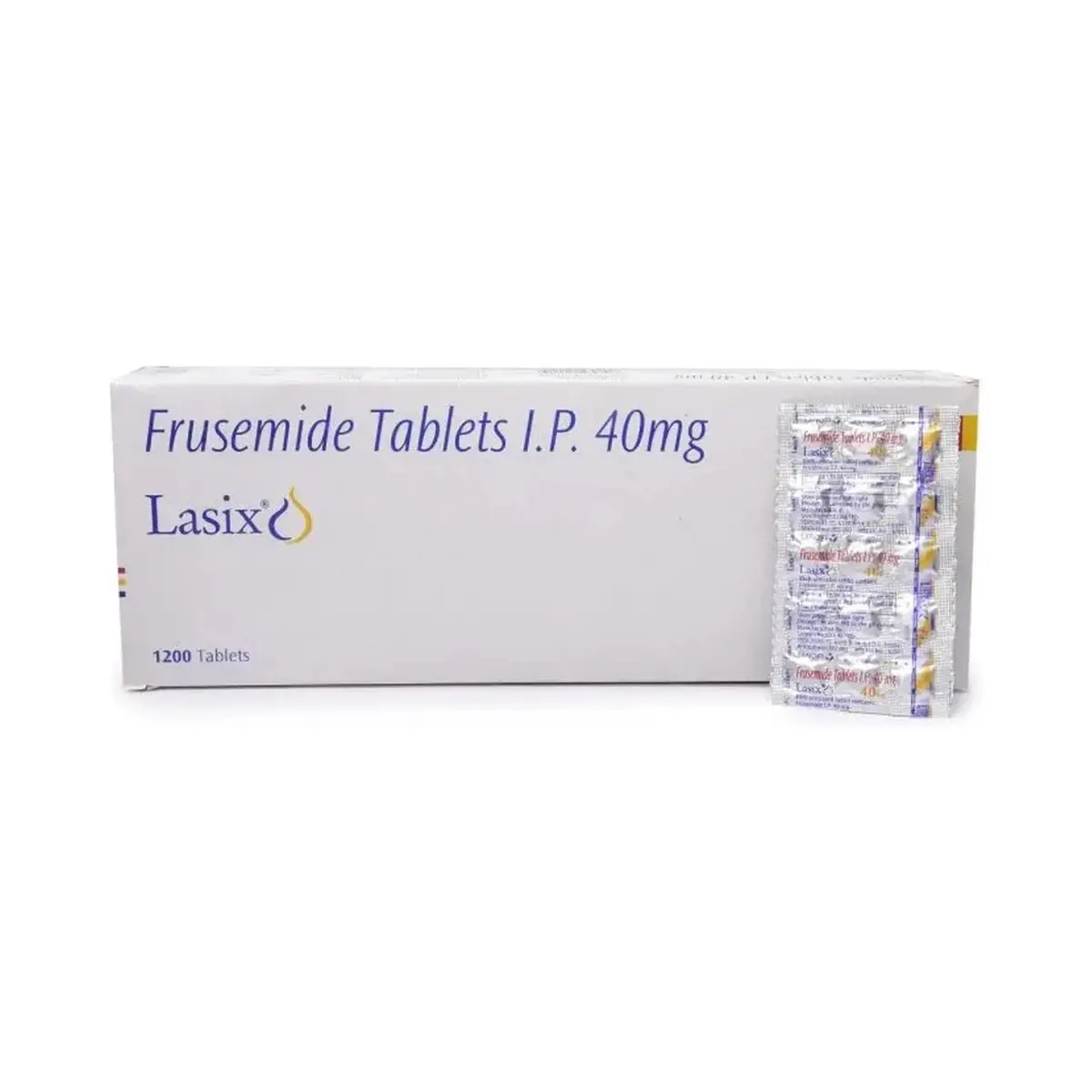
Description
Lasix (Furosemide) 40 mg
Lasix 40 mg is a brand of furosemide, a loop diuretic used to increase urine production and help reduce excess fluid in the body. It is an established prescription medicine for conditions where fluid retention, or oedema, needs to be managed. The 40 mg strength identifies the medicine listed here; it does not indicate a recommended dose for any individual.
Active Ingredient and Medicine Class
The verified active ingredient is furosemide. It belongs to the loop diuretic class. Loop diuretics act on the kidneys and are among the most potent medicines used to remove salt and water from the body.
Established Medical Uses
Furosemide is used to treat oedema associated with several conditions, including heart failure, liver disease, and kidney disorders. It is also used in some patients with hypertension, although its principal and best-established role is the treatment of fluid overload and swelling. The official prescribing information for Lasix and related furosemide products describes its use for oedematous states and other clinically recognised indications.
How It Works
Furosemide acts in a specific part of the kidney called the loop of Henle. By blocking salt reabsorption there, it reduces the amount of sodium and chloride the body retains. Water follows salt into the urine, which increases urine output and helps lower fluid accumulation. Because its effect depends on kidney handling of the medicine, response can vary between patients and clinical settings.
Important Safety Information
Furosemide should not be used in people with a known hypersensitivity to furosemide or to components of the product. Important precautions include the risk of dehydration, low blood pressure, and electrolyte disturbances such as low potassium, low sodium, and low magnesium. These effects can be clinically significant, especially in older adults and in people with impaired kidney function.
Important interactions may occur with other medicines that affect blood pressure, kidney function, or electrolytes. Furosemide can increase the risk of toxicity or adverse effects when combined with certain drugs, including some aminoglycoside antibiotics, lithium, digoxin, and other agents that may worsen dehydration or electrolyte imbalance. Because the medicine can change fluid and salt balance, clinical monitoring is often important in routine prescribing.
Possible Side Effects
Common adverse effects may include increased urination, dizziness, thirst, low blood pressure, and symptoms related to electrolyte loss. Some patients may experience headache, weakness, or gastrointestinal upset. More serious reactions can include marked dehydration, severe electrolyte abnormalities, kidney function changes, hearing-related adverse effects, and allergic reactions. If side effects are suspected, medical review is needed.
Scientific Evidence
Scientific reviews support furosemide as a well-established loop diuretic for reducing congestion and oedema. Human studies and reviews describe its rapid natriuretic and diuretic action, while also noting practical limitations such as variable oral absorption, differing responses in kidney disease, and the need to consider electrolyte and volume effects. Published reviews also discuss ongoing uncertainty about comparative performance versus other loop diuretics in some heart failure settings, but this does not change furosemide’s established role in fluid removal.
Medical Information Notice
This page is an educational summary based on sources available at the time of review. It does not replace the official patient leaflet, the product’s prescribing information, or individual assessment by a qualified healthcare professional.
Medical Sources
- U.S. Food and Drug Administration — LASIX (furosemide) Tablets 20, 40, and 80 mg. View official prescribing information
- DailyMed — LASIX (furosemide) tablet label. View official medicine label
- Kurt A Wargo et al. A comprehensive review of the loop diuretics: should furosemide be first line? Annals of Pharmacotherapy, 2009. View scientific article
- Ji Yong Choi et al. Loop Diuretics in Clinical Practice. Electrolyte & Blood Pressure, 2015. View scientific article