Description
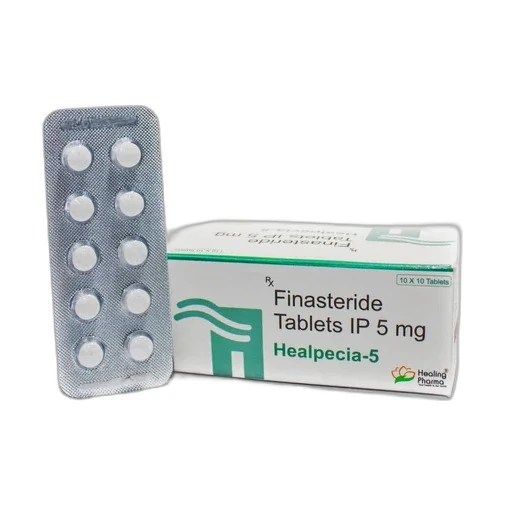
Healpecia (Finasteride) 5 mg
Healpecia 5 mg contains finasteride, an oral medicine in the 5-alpha-reductase inhibitor class. The verified 5 mg formulation is used for symptomatic benign prostatic hyperplasia (BPH) in men with an enlarged prostate. It is intended to help improve urinary symptoms and reduce the risk of BPH-related surgery.
Active Ingredient and Medicine Class
The active ingredient is finasteride. It is a Type II 5-alpha-reductase inhibitor, meaning it blocks the enzyme that converts testosterone into dihydrotestosterone (DHT). DHT is a key androgen involved in prostate growth.
Established Medical Uses
Finasteride 5 mg is an established treatment for symptomatic BPH in men with an enlarged prostate. Regulatory information also notes use with doxazosin to reduce the risk of symptomatic progression of BPH in appropriate patients. The medicine is not approved for the prevention of prostate cancer.
How It Works
By lowering DHT levels, finasteride helps reduce androgen-driven enlargement of the prostate over time. A smaller prostate can lessen pressure on the urinary tract, which may improve urine flow and other lower urinary tract symptoms. The effect is gradual rather than immediate, because the medicine works by changing hormone-driven prostate growth rather than by relaxing muscle.
Important Safety Information
Finasteride is contraindicated in women who are or may become pregnant, because exposure may harm a male fetus. Crushed or broken tablets should not be handled by pregnant women. The medicine should also not be used in people with hypersensitivity to finasteride or any tablet component.
Important precautions include interpretation of PSA results, because finasteride lowers PSA levels and can affect prostate cancer screening. An increase in PSA while taking finasteride should be evaluated. Regulatory labeling also warns about a potential association with high-grade prostate cancer, although the clinical significance is uncertain.
Clinically significant drug interactions are limited. Official labeling states that no drug interactions of clinical importance have been identified, and finasteride does not appear to affect the cytochrome P450 enzyme system. It has been used in studies with several common drug classes without evidence of major interaction problems.
Possible Side Effects
The most commonly reported adverse effects in trials include decreased libido, erectile dysfunction, decreased ejaculate volume, breast enlargement, breast tenderness, and rash. Less common but important reported reactions include hypersensitivity reactions such as rash, itching, hives, and angioedema, as well as depression, testicular pain, and rare reports of sexual dysfunction that persisted after discontinuation.
Scientific Evidence
Clinical trials and reviews consistently show that finasteride 5 mg can reduce prostate volume, improve urinary symptom scores, and increase urinary flow modestly in men with BPH, with greater benefit often seen in men with larger prostates. Long-term studies also found reduced risks of acute urinary retention and BPH-related surgery compared with placebo. These benefits are established in men with symptomatic enlarged prostates, but the response is gradual and not all patients improve to the same extent.
Medical Information Notice
This page is an educational summary based on sources available at the time of review. It does not replace the official patient leaflet, full prescribing information, or an individual assessment by a qualified healthcare professional.
Medical Sources
- U.S. Food and Drug Administration / DailyMed Finasteride Tablets USP, 5 mg, prescribing information. View official prescribing information
- European Medicines Agency Finasteride- and dutasteride-containing medicinal products referral. View official EMA referral page
- Claus G Roehrborn et al. Sustained decrease in incidence of acute urinary retention and surgery with finasteride for 6 years in men with benign prostatic hyperplasia. View scientific article
- Gian Maria Busetto et al. Efficacy and safety of Finasteride (5 alpha-reductase inhibitor) monotherapy in patients with benign prostatic hyperplasia: A critical review of the literature. View scientific article